 Save
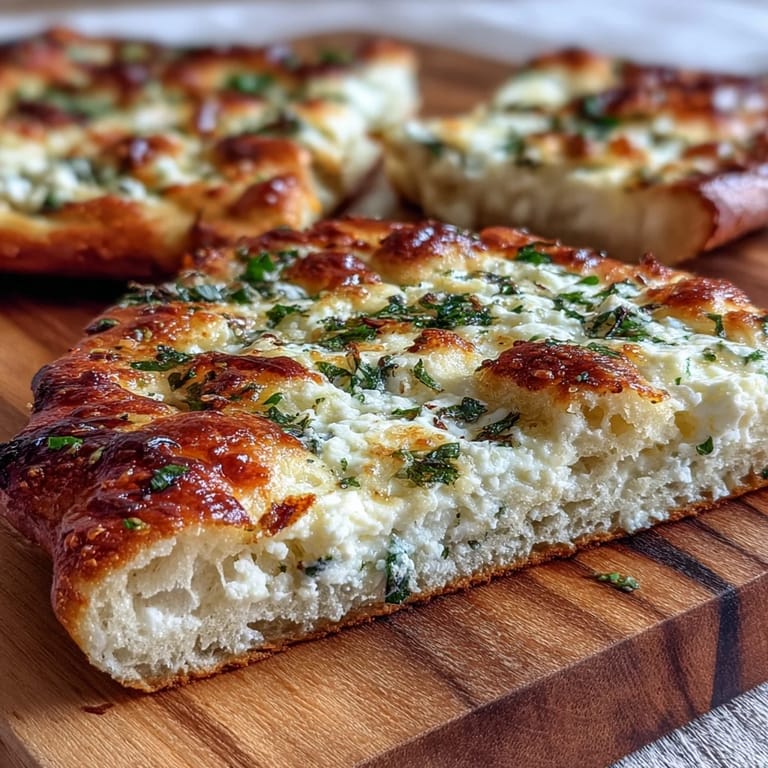
Save The first time I tried cottage cheese in bread dough, I was genuinely skeptical. My grandmother had mentioned it as an old secret for keeping baked goods tender, but the idea of cheese curds in flatbread seemed strange. That afternoon, watching those soft bubbles rise and turn golden in my cast iron skillet completely changed my mind. The slight tang worked beautifully with the warm, pillowy texture.
Last winter when my sister visited, we made these together on a snowy afternoon. She kept sneaking pieces fresh from the pan, declaring they were better than any restaurant naan. We ended up eating almost the entire batch standing at the counter, dipping them in hummus and laughing about how cottage cheese was our new secret ingredient.
Ingredients
- All-purpose flour: Forms the structure and creates that satisfying chew, plus extra for dusting your work surface
- Baking powder: Essential for those irresistible air pockets that make the flatbread puff up beautifully
- Fine salt: Enhances all the flavors and balances the slight tang from the cottage cheese
- Garlic powder: Adds subtle depth without any chopping, though you can skip it if you prefer a plain bread
- Full-fat cottage cheese: The secret weapon for moisture and tenderness, make sure to drain it well to avoid soggy dough
- Egg: Helps bind everything together and contributes to the rich, satisfying texture
- Olive oil: Keeps the dough pliable and adds lovely flavor, plus more for cooking
- Fresh chopped herbs: Parsley or chives add bright pops of color and fresh flavor that complement the garlic
- Water: Only if needed, as different cottage cheese brands have varying moisture levels
Tired of Takeout? 🥡
Get 10 meals you can make faster than delivery arrives. Seriously.
One email. No spam. Unsubscribe anytime.
Instructions
- Mix the dry foundation:
- Whisk together the flour, baking powder, salt, and garlic powder in a medium bowl until evenly combined and fragrant.
- Prepare the creamy mixture:
- In a separate bowl, combine the drained cottage cheese, egg, olive oil, and chopped herbs, using a fork to break up the curds until relatively smooth.
- Bring it all together:
- Pour the wet mixture into the dry ingredients and stir gently with a spatula until a shaggy dough forms, adding water only if the dough feels too dry.
- Lightly work the dough:
- Turn onto a floured surface and fold and press about 6 to 8 times, just enough to form a cohesive ball without overworking.
- Let it rest:
- Cover the dough with a clean kitchen towel and let it rest at room temperature for 10 minutes, which makes rolling much easier.
- Shape your flatbreads:
- Divide into 4 equal portions, roll into smooth balls, then flatten each into rounds about ¼ inch thick using a rolling pin or your hands.
- Heat your skillet:
- Warm a large nonstick or cast-iron skillet over medium heat and brush it lightly with olive oil.
- Cook to golden perfection:
- Place one flatbread in the hot skillet and cook for 2 to 3 minutes until bubbles form and the bottom is golden brown.
- Flip and finish:
- Cook another 1 to 2 minutes on the second side until golden and cooked through, adjusting heat as needed.
- Keep them warm:
- Transfer to a plate and cover with a clean towel while you repeat with the remaining dough.
 Save
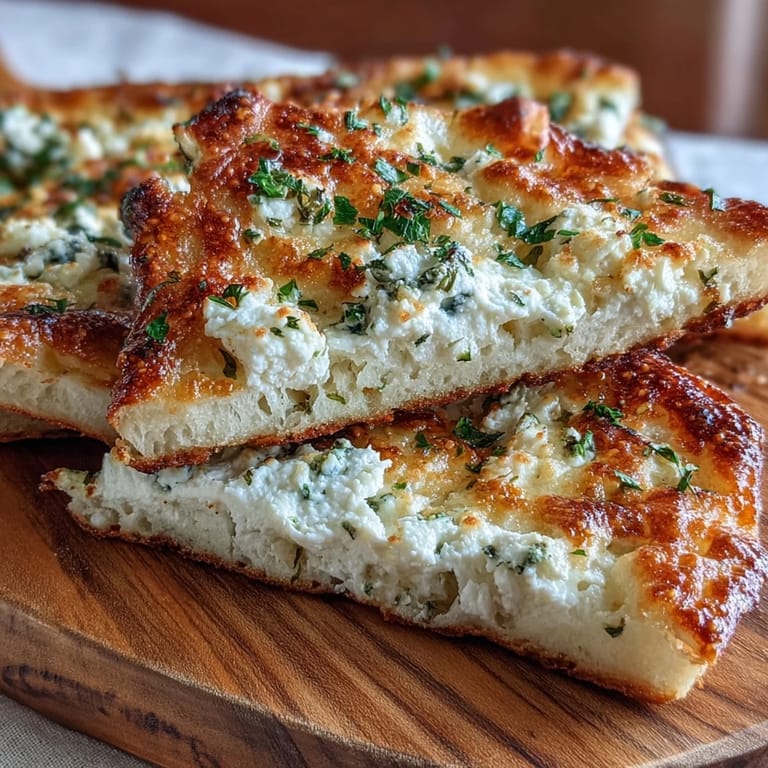
Save These flatbreads have become my go-to when friends drop by unexpectedly. I love watching peoples faces when they take that first warm bite and try to guess what makes them so soft.
Making Them Your Own
The beauty of this dough is how forgiving it is with additions. I have folded in sun-dried tomatoes, fresh spinach, and even grated sharp cheddar when I wanted something more indulgent. Each variation keeps that same tender texture while adding completely new personality.
Perfect Pairings
These flatbreads shine alongside almost anything. They are perfect for scooping up thick Greek yogurt dips, wrapping around grilled chicken and vegetables, or serving as the base for quick personal pizzas. My favorite might be slathering them with salted butter while they are still hot from the pan.
Storage and Reheating
You can keep these in an airtight container in the refrigerator for up to 3 days, though they rarely last that long in my house. For longer storage, freeze them with parchment paper between each flatbread so they do not stick together.
- Reheat in a dry skillet for 1 minute per side to restore the freshly cooked texture
- A 15 second zap in the microwave wrapped in a damp paper towel also works well
- Avoid reheating in the oven unless you want them crisp and cracker-like
 Save
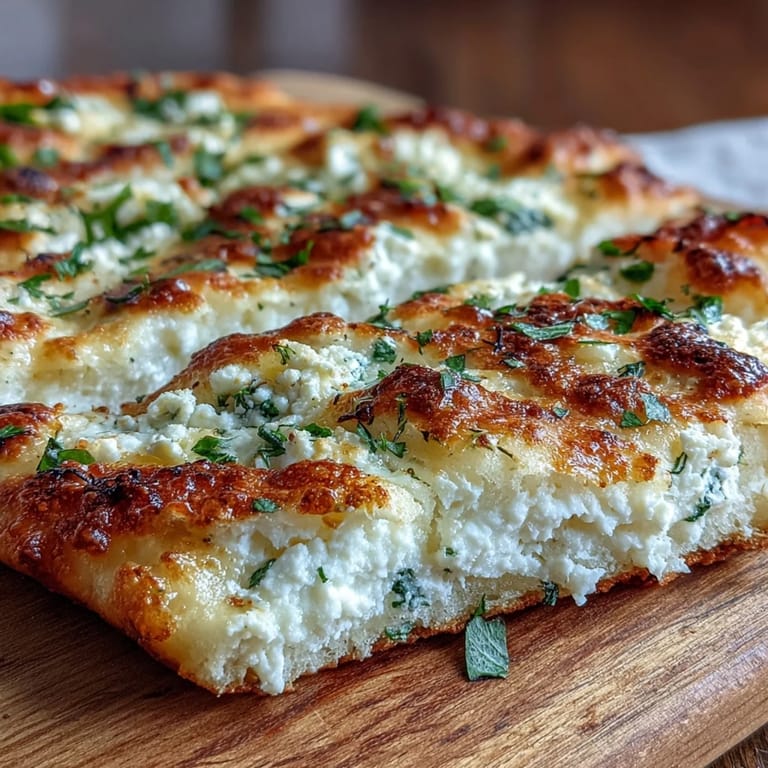
Save There is something deeply satisfying about making your own flatbread, especially when it is this effortless and delicious.
Recipe Questions
- → Can I make these flatbreads gluten-free?
Yes, you can. Substitute the all-purpose flour with a 1:1 gluten-free flour blend. For better texture, consider adding 1 tablespoon of ground flaxseed to the dry ingredients.
- → How should I store leftover flatbreads?
Store any leftover flatbreads in an airtight container in the refrigerator for up to 3 days. For longer storage, they can be frozen for up to 1 month.
- → What are some ways to serve these flatbreads?
These versatile flatbreads are excellent served warm as wraps, alongside your favorite dips, or as a quick and easy homemade pizza base. They also make a great accompaniment to soups and salads.
- → What if my dough is too dry or crumbly?
If your dough feels too dry or crumbly after combining the wet and dry ingredients, gradually add 1 to 2 tablespoons of water, one teaspoon at a time, until the dough comes together into a soft, slightly sticky ball.
- → Can I add extra flavors to the dough?
Absolutely! For added color and flavor, you can mix finely chopped spinach or sun-dried tomatoes into the dough during the wet ingredient combining step.
- → What's the best way to reheat these flatbreads?
To restore their softness, reheat the flatbreads in a warm skillet for a minute or two per side, or gently warm them in the microwave with a damp paper towel.