 Save
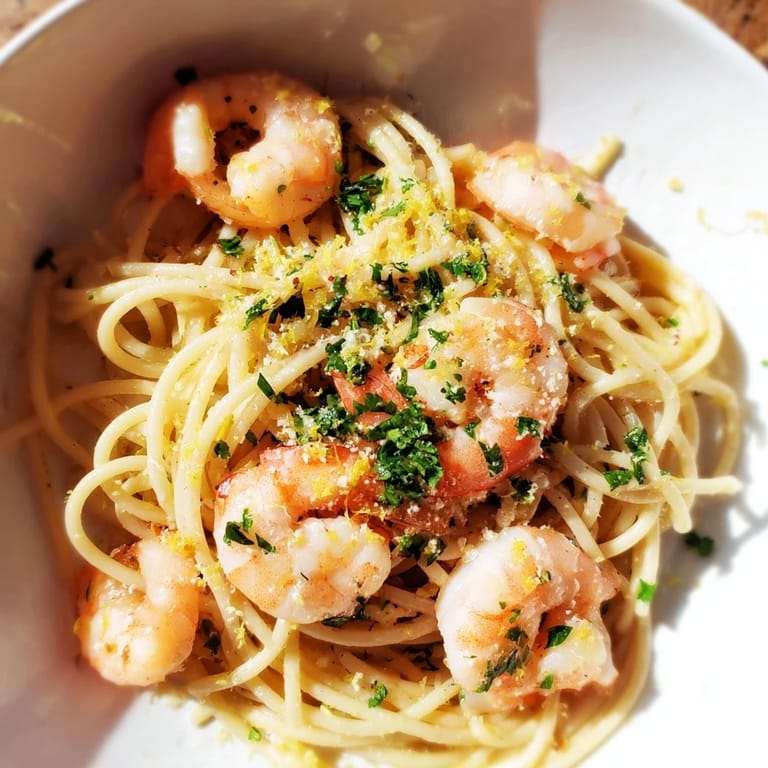
Save The smell of garlic hitting hot butter is one of those kitchen sounds you hear with your nose. I was running late on a weeknight, staring at a bag of shrimp and a box of linguine, when I realized sometimes the best meals are the ones you don't overthink. Twenty minutes later, I was twirling pasta onto a fork, wondering why I ever believed fancy had to mean complicated. This dish taught me that.
I made this for my sister once when she showed up unannounced after a rough day. We sat at the counter with our bowls, and she didn't say much, just kept going back for seconds. Later she texted me asking for the recipe, but really I think she just wanted to remember that night. Food has a way of holding onto feelings like that.
Ingredients
- Large shrimp, peeled and deveined (1 lb or 450 g): The star of the show, look for shrimp that smell like the ocean, not fishy, and pat them very dry so they get a nice sear instead of steaming in the pan.
- Linguine pasta (12 oz or 340 g): Its flat shape holds onto the buttery sauce better than round noodles, and cooking it just until al dente means it won't turn mushy when you toss it in the skillet.
- Unsalted butter (4 tbsp): This creates the silky base of the sauce, and using unsalted lets you control the seasoning instead of ending up with something too salty.
- Extra virgin olive oil (2 tbsp): Mixed with butter, it adds fruity depth and keeps the butter from burning when the pan gets hot.
- Garlic, minced (6 cloves): The soul of this dish, don't rush it or let it brown, those 60 seconds of gentle sizzling are when the magic happens.
- Crushed red pepper flakes (1/4 tsp, optional): Just a pinch adds warmth without screaming spicy, but skip it if you're cooking for kids or anyone who likes things mild.
- Lemon zest and juice (1 lemon): The zest brings perfume, the juice brings brightness, together they cut through the butter and make everything taste alive.
- Fresh parsley, chopped (1/4 cup): Adds color and a fresh green note right at the end, don't use dried, it's not the same.
- Salt and freshly ground black pepper: Season as you go, taste before serving, good seasoning is what separates okay food from unforgettable food.
- Freshly grated Parmesan cheese (optional): Some people say no cheese with seafood, but a light sprinkle adds a nutty salty finish that I personally love.
Tired of Takeout? 🥡
Get 10 meals you can make faster than delivery arrives. Seriously.
One email. No spam. Unsubscribe anytime.
Instructions
- Boil the pasta:
- Fill your largest pot with water, salt it like the sea, and bring it to a rolling boil before adding the linguine. Cook it just until it has a tiny bit of bite left, then scoop out half a cup of that starchy pasta water before draining, it's liquid gold for bringing the sauce together.
- Prep the shrimp:
- While the water heats, lay the shrimp on a towel and blot them completely dry, then sprinkle both sides lightly with salt and pepper. Dry shrimp sear beautifully instead of steaming, which is the difference between sad and spectacular.
- Start the garlic butter:
- Melt the butter with olive oil in your widest skillet over medium heat, then add the minced garlic and red pepper flakes if using. Stir gently for about a minute until the kitchen smells incredible but before anything turns brown.
- Cook the shrimp:
- Lay the shrimp in a single layer, don't crowd them, and let them cook undisturbed for 2 minutes until the bottoms turn pink and opaque. Flip each one and cook another 2 minutes, they should curl into a loose C shape, not a tight circle which means overdone.
- Add lemon and pasta:
- Stir in the lemon zest and juice, then add the drained linguine directly to the skillet and toss everything together with tongs. If it looks dry, add the reserved pasta water a splash at a time until the sauce clings to every strand.
- Finish and serve:
- Pull the skillet off the heat, toss in the chopped parsley, and taste for salt and pepper. Serve it immediately in warm bowls with Parmesan on the side for anyone who wants it.
 Save
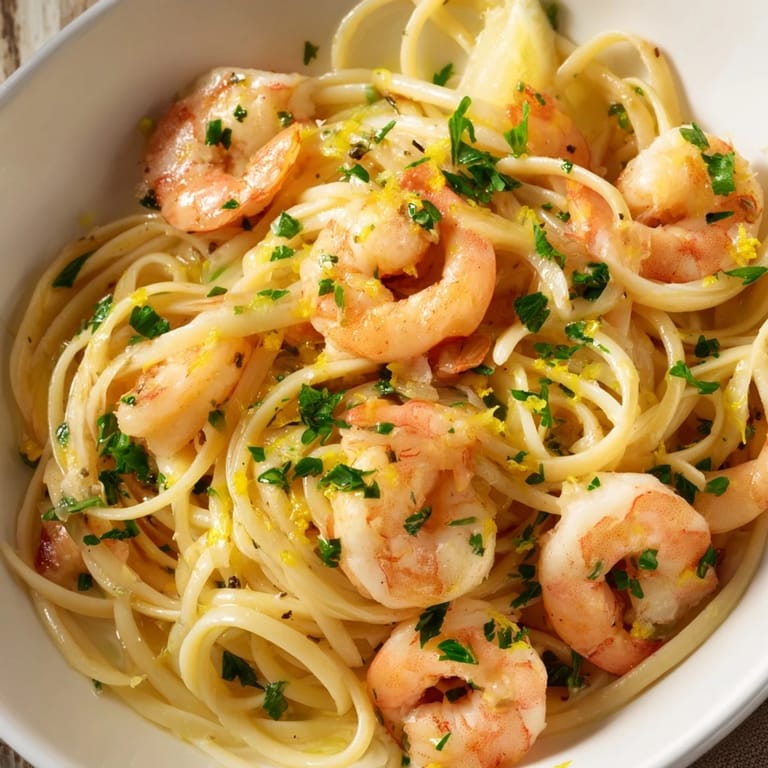
Save There was one evening I made this and forgot to buy parsley, so I used basil instead and it turned into a whole different wonderful thing. My friend still asks for the basil version now. Sometimes the best discoveries happen when you just work with what you have and trust your instincts.
Choosing Your Shrimp
I used to grab whatever shrimp were on sale until I learned that size actually matters here. Large shrimp, around 21 to 25 per pound, are perfect because they stay juicy and don't disappear in the pasta. If you can only find frozen, that's completely fine, just thaw them in a bowl of cold water for 15 minutes and dry them obsessively before cooking. Wild caught tastes a bit sweeter to me, but good farm raised shrimp work beautifully too.
Wine Pairing and Variations
A crisp Sauvignon Blanc or Pinot Grigio is perfect here, the acidity plays nicely with the lemon and cuts through the butter. If you want to cook with wine, add a quarter cup to the skillet right after the garlic and let it simmer down before adding the shrimp, it adds another layer of flavor that feels restaurant fancy. On nights when I want something heartier, I've stirred in halved cherry tomatoes with the lemon and it turns into a completely different but equally delicious meal.
Make It Your Own
This recipe is a template that loves to be played with. I've swapped linguine for fettuccine, spaghetti, even angel hair when that's what I had, and it always works. Sometimes I add a handful of spinach at the very end and let it wilt into the pasta, or toss in some halved artichoke hearts for a briny contrast.
- For extra heat, double or triple the red pepper flakes and add a pinch of cayenne.
- If someone's gluten free, use your favorite gluten free pasta and follow the same steps.
- To make it dairy free, skip the butter and use all olive oil, then finish with nutritional yeast instead of Parmesan.
 Save
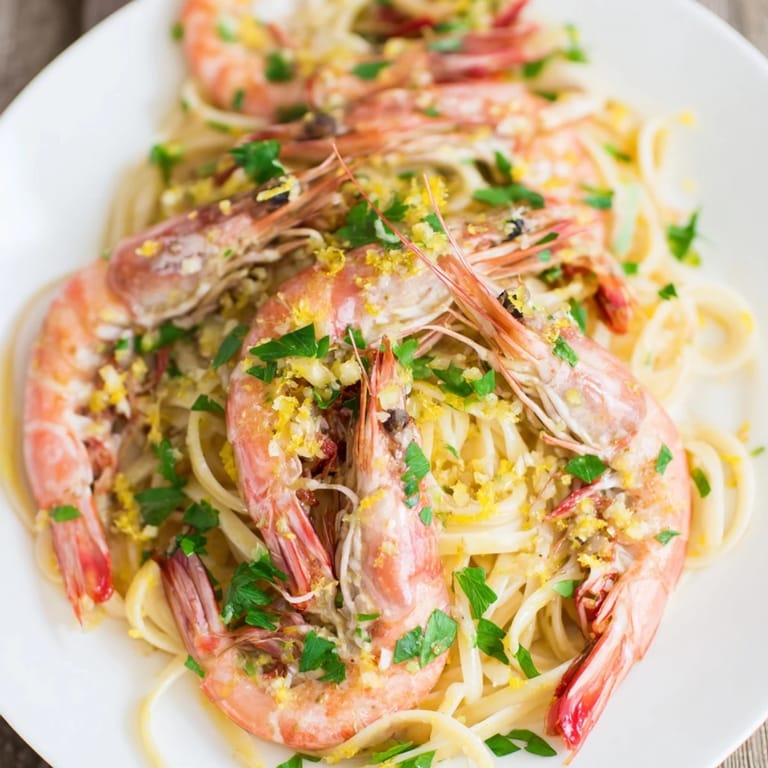
Save This dish reminds me that some of the best meals are the ones that don't try too hard. It's just good ingredients, a little heat, and the confidence to keep things simple.
Recipe Questions
- → Can I use frozen shrimp for this dish?
Yes, frozen shrimp works well. Thaw them completely and pat dry with paper towels before cooking to ensure proper browning and even cooking. Dry shrimp is essential for achieving that slight caramelization in the butter sauce.
- → How do I know when shrimp is cooked through?
Cooked shrimp should be opaque and pink with a slight curl. Avoid overcooking, as it becomes tough and rubbery. Two minutes per side over medium heat is typically ideal for large shrimp. Remove from heat immediately once they turn pink.
- → What's the purpose of reserving pasta water?
Pasta water contains starches that create a silky, emulsified sauce. Adding it gradually helps the garlic butter sauce coat the linguine evenly and prevents the dish from becoming too dry. It also helps the sauce cling better to the pasta.
- → Can I make this dish gluten-free?
Absolutely. Simply substitute regular linguine with gluten-free pasta, using the same cooking instructions. The rest of the ingredients are naturally gluten-free. Verify that your garlic and other seasonings are certified gluten-free if needed.
- → What wine pairs best with this dish?
Crisp white wines complement this dish beautifully. Sauvignon Blanc, Pinot Grigio, and Vermentino are excellent choices. Their acidity balances the richness of the butter sauce, and their citrus notes echo the lemon in the dish.
- → Can I add cream to make it richer?
While traditionally prepared without cream, you can add 1/4 cup of heavy cream or half-and-half after cooking the shrimp for a creamier sauce. Stir it in gently and heat through before adding the pasta. This creates a more indulgent version.