 Save
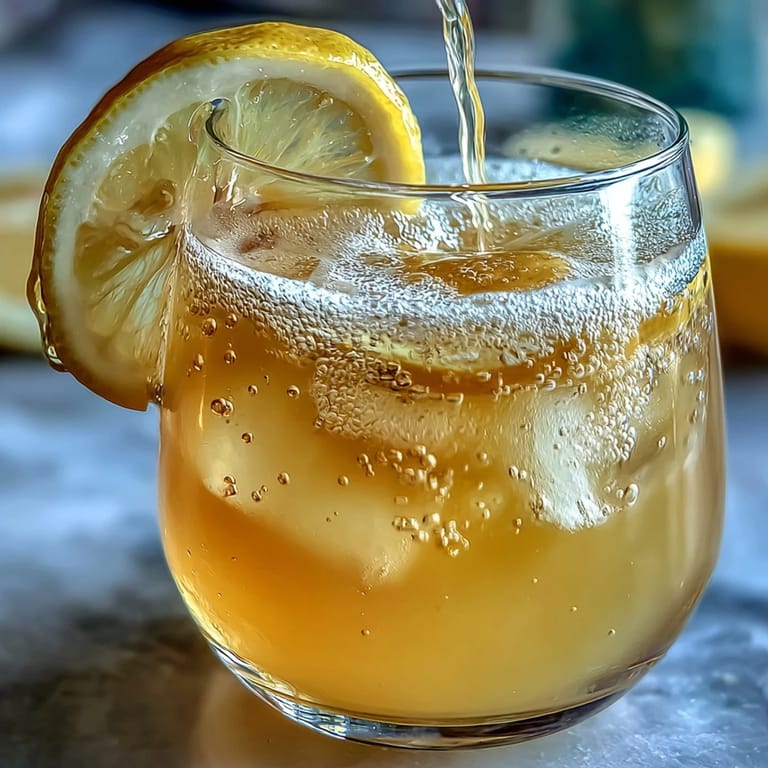
Save The scent of freshly juiced lemons and the subtle hum of honey dissolving into water always sends a buzz of anticipation through my kitchen. I stumbled into making sparkling fermented lemonade on a sweltering afternoon, searching for something that felt both bright and restorative without the syrupy taste of commercial sodas. The gentle hiss as I cracked open my first fermented bottle was my sign that I’d done something special: captured effervescence in a bottle. It’s now become a ritual, the kind of simple alchemy that still feels joyous every time I peel back the lid. Surprisingly, a splashy lemonade can transform even the smallest gathering or an ordinary solo lunch.
Last summer, I brought two chilled bottles of this lemonade to a neighbor’s impromptu backyard grill. Lined up alongside iced beers, it was the lemonade that vanished first, with everyone curious about the tiny bubbles swirling in their glasses. Not one person correctly guessed how the fizz came to be. “It tastes like lemon sunshine,” a friend declared, and we all laughed, taking turns guessing how I pulled it off. I left the party with empty bottles and a few new fans of kitchen fermenting.
Ingredients
- Fresh lemon juice: Nothing brings that sun-bright zing quite like freshly squeezed juice, and straining out seeds makes the final drink surprisingly smooth.
- Filtered water: Crisp water is key here because any chlorine can sabotage fermentation (I use a jug filter for peace of mind).
- Raw honey: This isn’t just for sweetness—unpasteurized honey is what sparks the fizz, and I learned the hard way that pasteurized honey just won’t bubble.
- Fresh ginger (optional): Slices of ginger add a gentle heat and comforting aroma (I love this when the weather’s cool).
- Fresh mint (optional): A sprig on a hot afternoon sends this lemonade onto the spa menu tier—just press lightly to release oils.
Tired of Takeout? 🥡
Get 10 meals you can make faster than delivery arrives. Seriously.
One email. No spam. Unsubscribe anytime.
Instructions
- Juice and mix:
- Pour the lemon juice into your largest glass jar or pitcher, taking a moment to marvel at its golden color. Add filtered water and give it a gentle stir.
- Sweeten and dissolve:
- Slowly spoon in the raw honey and stir until you can’t spot the smallest thread—watching the honey slowly sink is strangely soothing.
- Flavors your way:
- If you like, toss in slices of ginger or a sprig of mint for a little twist; they’ll infuse over time for a layered flavor.
- Prepare to ferment:
- Transfer the blend to a roomy glass jar—leave some headspace for bubbles. Cover with a loose-fitting lid or fermentation airlock, keeping everything away from bright sunlight.
- Wait for the magic:
- Let your jar stand at room temperature. Each day, open the lid to release built-up gases and take a cautious sip—the first little fizz will surprise you.
- Finish and chill:
- As soon as it hits your ideal level of tang and effervescence (usually around day three), pour into swing-top bottles and seal tightly. Move the lemonade to your fridge for at least 4 hours; this step turns it truly refreshing.
- Serve and enjoy:
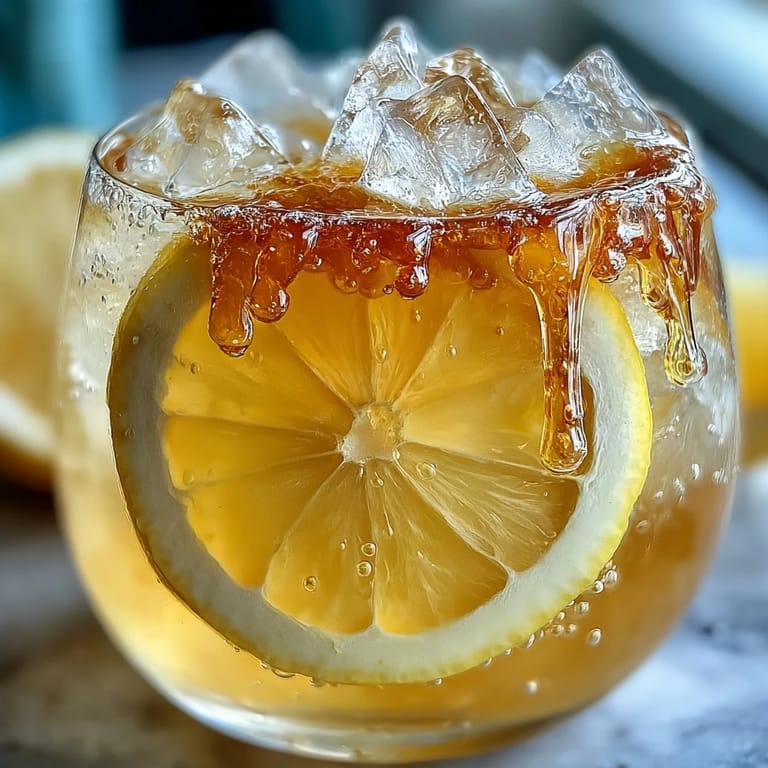
- Pop open a bottle—listen for that happy fizz—then pour over ice and savor your new favorite homemade drink.
 Save
Save On a slow Sunday, my partner and I dimmed the lights and poured glasses of just-finished lemonade to toast a little win we’d had that week. With the gentle fizz on our tongues and the scent of citrus lingering, even the background noise of the city seemed to quiet. I realized then that something as humble as homemade lemonade can anchor a moment, making it quietly special. It was a simple treat that felt like a celebration. One sip in, and we decided sparkling lemonade deserved a permanent spot in our fridge.
Choosing Your Own Infusions
When I started branching out from lemon and honey, I discovered all sorts of subtle flavors that jazzed up my lemonade. Tossing in a handful of fresh basil made one batch taste unexpectedly herbaceous—like a walk through a summer garden in a glass. Adding a pinch of sea salt gave a faintly savory edge, while a few berries turned it sunset pink and extra tangy. The best part is how forgiving this recipe is to these little whims. Let your fridge and mood decide—no two batches are ever exactly alike.
Fermentation Know-How: Safety and Fizz
The first time I made this, I hovered as if the jar were science class—worried bubbles meant disaster. Turns out, healthy fizz just means the good microbes are winning. If ever in doubt, start with very clean jars and be brave enough to taste daily. Remember, a whiff of yeast is normal, but any strange colors mean it’s time to start again. In my kitchen, patience is the main ingredient for perfect sparkling lemonade.
What to Serve It With
This lemonade never stays lonely for long; it’s an ideal companion for spicy foods, after-work snacks, or late breakfast gatherings. I love bringing it to picnics, where the fizz is always a conversation starter. On cool evenings, I sometimes sip it with a splash of herbal tea for a mellow twist.
- Pack a chilled bottle for a picnic and enjoy with fresh fruit.
- Pour over crushed ice for an afternoon pick-me-up.
- Always open bottles over the sink for any wild fizz.
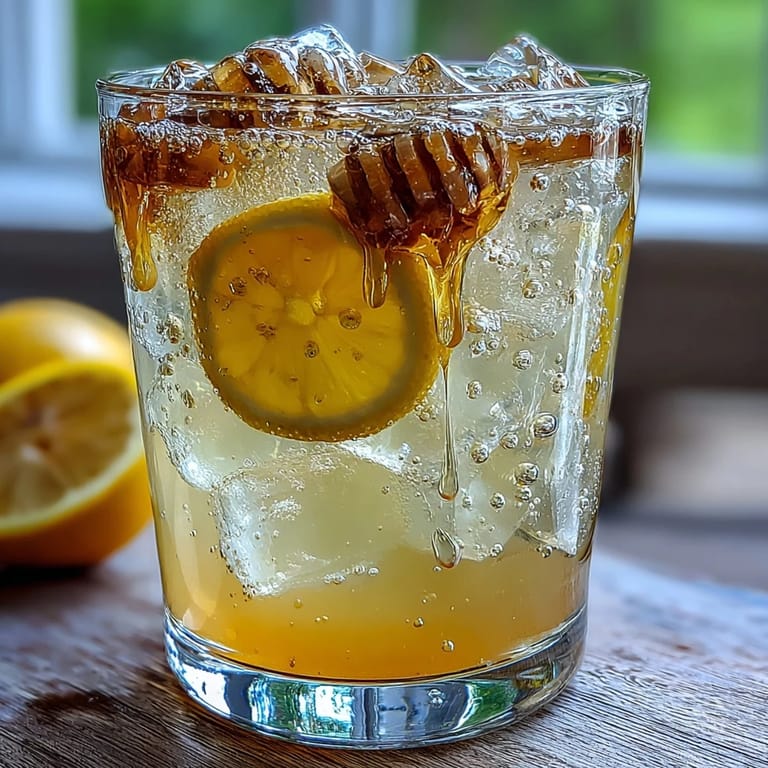 Save
Save May this sparkling lemonade bring a little homemade lift to your day. The joy is really in the simple process—raise a glass and enjoy every effervescent sip!
Recipe Questions
- → How long should the mixture ferment for a good fizz?
Ferment at room temperature for 2–3 days, tasting daily. For stronger bubbles, extend to 4 days but monitor pressure and flavor to avoid overcarbonation.
- → What sweetener works best for the fermentation?
Raw, unpasteurized honey provides both sweetness and fermentable sugars. Processed or pasteurized honey may not ferment reliably and can alter fermentation activity.
- → Can I add other flavors during fermentation?
Yes—ginger slices, mint, berries, or basil can be added before fermentation to infuse aroma and complexity. Add delicate herbs after bottling for brighter notes.
- → How should the drink be stored after fermenting?
Transfer to swing-top bottles and refrigerate. Chilling slows fermentation and stabilizes carbonation. Always open bottles slowly to release built-up pressure safely.
- → Is there a safety concern with pressure buildup?
Yes—fermenting creates gases. Leave headspace in jars, use sturdy bottles, and burp or carefully open containers to avoid sudden release. Avoid using thin glass that may crack.
- → How can I adjust sweetness and tartness?
Taste daily and stop fermentation when the balance suits you. Add more lemon for tartness or a touch more honey after chilling if a sweeter finish is desired.