 Save
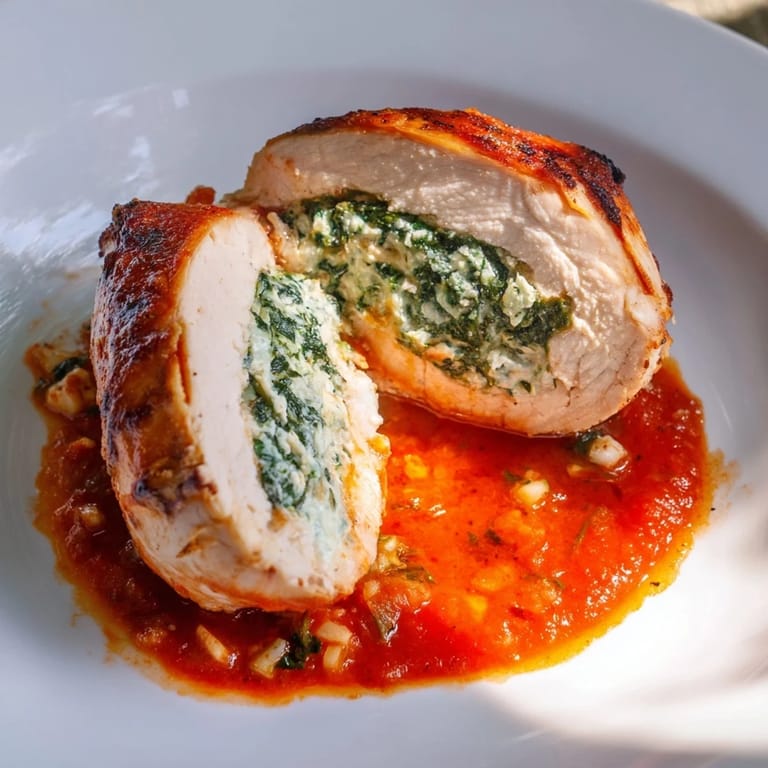
Save My kitchen smelled like a trattoria the night I learned how to properly butterfly chicken without turning it into confetti. I was halfway through mangling my third breast when my neighbor knocked, drawn by the scent of garlic and tomatoes bubbling on the stove. She stayed for dinner, and we ended up laughing over wine while I explained the toothpick situation. That meal turned a clumsy weeknight experiment into something I now make whenever I want to feel capable and generous at the same time.
I made this for my parents on a Sunday when they dropped by unannounced. My dad, who usually salts everything before tasting, ate his entire portion without reaching for the shaker once. My mom asked for the recipe twice before she left. It was one of those quiet wins that reminds you why you keep cooking, even on the nights when you would rather order takeout and collapse on the couch.
Ingredients
- Boneless, skinless chicken breasts: Look for breasts that are similar in size so they cook evenly, and pound them gently if one is much thicker than the others.
- Ricotta cheese: Whole milk ricotta makes the filling luxurious, but part-skim works if you want to lighten things up without losing creaminess.
- Fresh baby spinach: Chop it finely so it blends into the filling without creating awkward clumps that fall out when you slice the chicken.
- Parmesan cheese: Freshly grated Parmesan adds a nutty sharpness that pre-shredded versions cannot match.
- Lemon zest: Just half a lemon is enough to brighten the filling and cut through the richness of the cheese.
- Canned crushed tomatoes: Use good quality tomatoes, they form the backbone of the sauce and a bland can will make everything taste flat.
- Garlic cloves: Mince them finely so they melt into the sauce and filling rather than announcing themselves in sharp bursts.
- Dried Italian herbs and oregano: These add warmth and familiarity, but fresh basil at the end makes everything sing.
- Olive oil: Use it for both searing the chicken and building the sauce, it ties the whole dish together.
Tired of Takeout? 🥡
Get 10 meals you can make faster than delivery arrives. Seriously.
One email. No spam. Unsubscribe anytime.
Instructions
- Preheat and Prep:
- Set your oven to 375°F and pull out your ingredients so everything is within reach. This is not a recipe where you want to be hunting for the Parmesan halfway through.
- Make the Filling:
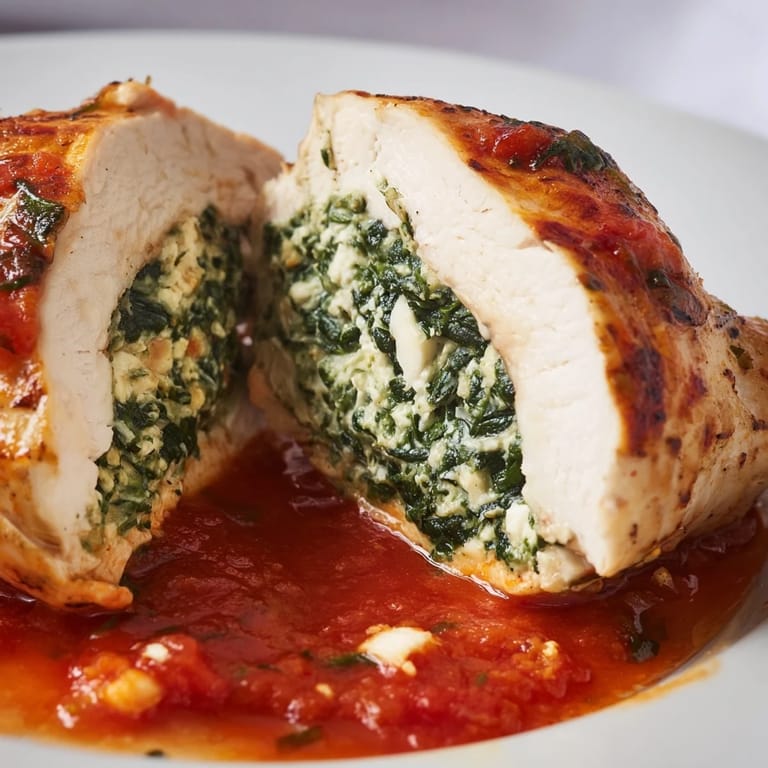
- Combine the ricotta, chopped spinach, Parmesan, garlic, Italian herbs, lemon zest, salt, and pepper in a bowl until the mixture looks cohesive and smells bright. Taste it and adjust the seasoning now, because you cannot fix it once it is tucked inside the chicken.
- Butterfly the Chicken:
- Hold your knife parallel to the cutting board and slice into the thickest part of each breast, creating a pocket without cutting all the way through. Season both sides with salt and pepper so the chicken itself tastes like something.
- Stuff and Secure:
- Spoon the ricotta mixture into each pocket, pressing gently to fill it without overstuffing. Use toothpicks to seal the edges if the filling threatens to escape during cooking.
- Sear the Chicken:
- Heat olive oil in an oven-safe skillet over medium-high heat and sear the stuffed breasts for two to three minutes per side until they turn golden. This step builds flavor and gives the chicken a bit of texture before it braises.
- Build the Sauce:
- In the same skillet, sauté the chopped onion until it softens and turns translucent, then add the garlic and let it bloom for a minute. Stir in the crushed tomatoes, oregano, sugar, salt, and pepper, and let the sauce simmer for five minutes to come together.
- Bake:
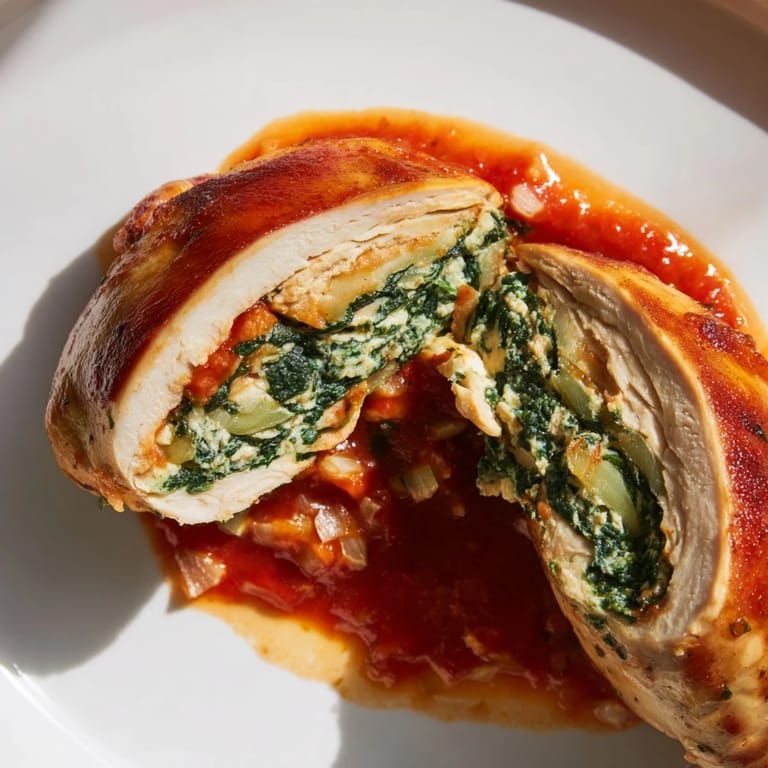
- Nestle the seared chicken breasts into the sauce, spooning some over the tops so they stay moist. Transfer the skillet to the oven and bake uncovered for twenty to twenty-five minutes, or until the internal temperature hits 165°F.
- Finish and Serve:
- Remove the toothpicks carefully, sprinkle extra Parmesan or torn basil over the top, and serve straight from the skillet. Let the chicken rest for a minute so the juices settle before you slice into it.
 Save
Save The first time I served this to friends, one of them scraped her plate with bread and declared it better than the version she had in Florence. I do not know if that was true, but I do know we finished two bottles of wine that night and nobody wanted dessert. Sometimes a dish just lands right, and you get to feel like you know what you are doing in the kitchen, even if you are still figuring it out as you go.
Choosing Your Chicken
Not all chicken breasts are created equal. The enormous ones sold in bulk packs can be intimidating to butterfly and often cook unevenly, leaving you with dry edges and undercooked centers. I look for medium-sized breasts that weigh around six ounces each, which fit comfortably in my hand and cook through without drama. If you can only find the giant ones, slice them in half horizontally before stuffing, or pound them gently to even out the thickness.
Making It Your Own
This recipe is flexible enough to handle whatever you have in the fridge. Swap the spinach for kale or arugula, stir sun-dried tomatoes into the filling, or add a handful of fresh basil for a summery twist. I have used goat cheese instead of ricotta when I wanted something tangier, and I have thrown in olives and capers when I was craving something briny. The tomato sauce is forgiving too, a splash of cream turns it into a richer, more indulgent base, and a pinch of red pepper flakes adds just enough heat to keep things interesting.
Serving and Storing
This dish pairs beautifully with crusty bread for soaking up the sauce, or you can serve it over pasta, polenta, or mashed potatoes if you want something heartier. A simple green salad with lemon vinaigrette cuts through the richness and keeps the meal from feeling too heavy. Leftovers keep well in the fridge for up to three days, and they reheat gently in a covered skillet with a splash of water or broth to loosen the sauce.
- Let the chicken rest for a few minutes after baking so the juices redistribute and the filling sets.
- If you are making this ahead, stuff and sear the chicken in the morning, then refrigerate until you are ready to bake.
- Freeze unbaked stuffed breasts in the sauce for up to two months, then thaw overnight and bake as directed.
 Save
Save This is the kind of meal that makes you feel like you have your life together, even if you are eating it straight from the skillet in your pajamas. It tastes like effort and care, and that is worth something.
Recipe Questions
- → How do I prevent the chicken from drying out?
Don't skip the searing step—it locks in moisture. Bake until the internal temperature reaches exactly 165°F (74°C), as overcooking will dry out the meat. The tomato sauce also keeps the chicken moist during baking.
- → Can I prepare this dish ahead of time?
Yes, you can stuff the chicken breasts up to 4 hours ahead and refrigerate. When ready to cook, allow a few extra minutes for searing since they'll be cold. You can also prepare the sauce separately and combine everything before baking.
- → What are good substitutes for the filling?
Try using kale instead of spinach, or mix in sun-dried tomatoes and fresh basil. Part-skim ricotta works for a lighter version. You can also add pine nuts or walnuts for texture, or substitute mozzarella for some of the ricotta.
- → How do I keep the toothpicks from burning in the oven?
Soak wooden toothpicks in water for 20 minutes before using. You can also secure the filling with kitchen twine instead. Remove toothpicks after baking or before serving to prevent anyone from accidentally biting them.
- → What wine pairs well with this dish?
A crisp Pinot Grigio complements the creamy filling and tomato sauce beautifully. Light-bodied reds like Pinot Noir or Chianti also work well. The acidity in white wine helps cut through the richness of the ricotta.
- → Can I use frozen spinach instead of fresh?
Yes, but thaw it completely and squeeze out excess moisture using a clean kitchen towel. Wet spinach will make the filling loose and watery, affecting the texture of the stuffing.