 Save
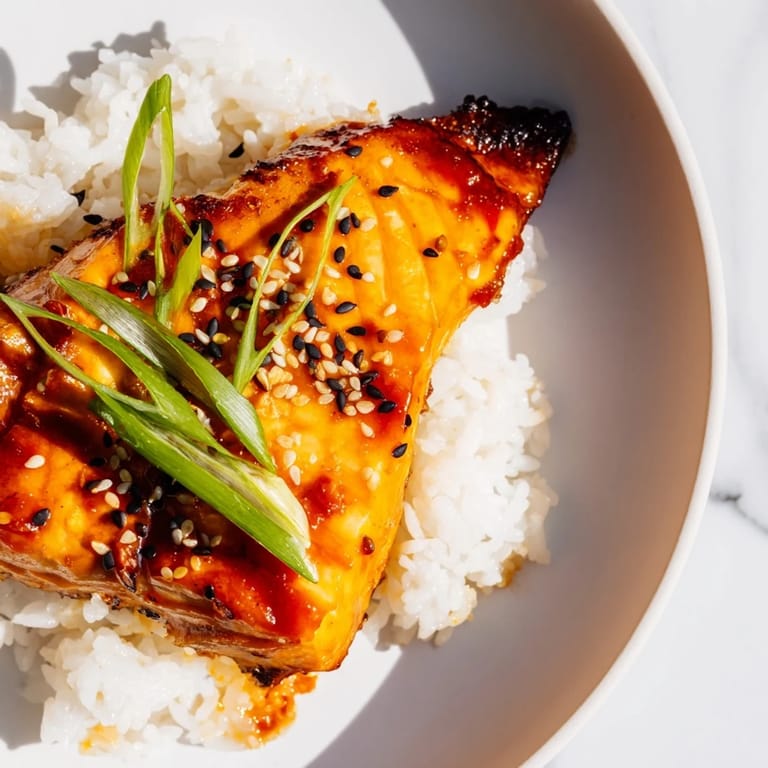
Save There's something about the moment when orange juice hits hot gochujang that makes the whole kitchen smell like you're cooking somewhere in Seoul and somewhere tropical at the same time. I learned this while standing at my stove on an ordinary Tuesday, trying to figure out how to use up a bunch of beautiful salmon fillets and some gochujang that had been sitting in my fridge longer than I'd like to admit. The glaze came together so naturally that I wondered why I'd never thought to combine those particular flavors before—and once the salmon hit the broiler and started to caramelize, I knew this was going to become one of those recipes I'd make again and again.
I made this for my friend Marco on a Friday night when he'd had a rough week, and watching his face light up when he tasted it reminded me that some of the best moments in cooking aren't about impressing anyone—they're just about feeding someone you care about something that tastes like you were thinking of them. He went back for seconds, and asked for the recipe before he'd even finished his first bowl, which I think says everything.
Ingredients
- Salmon fillets (4, about 150g each): Look for ones with the skin still on because it gets crispy and delicious, and check that they're a healthy coral-pink color that means they're fresh.
- Gochujang: This Korean chili paste is the soul of the whole dish—spicy, funky, umami-rich, and way more interesting than regular hot sauce.
- Fresh orange juice: Squeeze it yourself if you can because the brightness matters; bottled juice can taste flat by comparison.
- Soy sauce: Use regular or low-sodium depending on your preference, but taste as you go to balance the saltiness.
- Honey: This brings sweetness and helps create that gorgeous sticky glaze on the salmon.
- Rice vinegar: Just a splash to brighten everything up and cut through the richness.
- Fresh ginger and garlic: Always go fresh here—minced ginger and a single clove of minced garlic add that clean, sharp bite that makes the whole thing sing.
- Sesame oil: A teaspoon is all you need, but don't skip it or you'll lose that toasty, warm note.
- Jasmine rice: Fluffy, fragrant, and the perfect vehicle for soaking up sauce—it's worth seeking out.
- Unsalted butter: This makes the rice taste creamy and luxurious without being heavy.
- Scallions: Slice them thin and pile them on top for freshness and a little bit of onion bite.
Tired of Takeout? 🥡
Get 10 meals you can make faster than delivery arrives. Seriously.
One email. No spam. Unsubscribe anytime.
Instructions
- Make the glaze:
- Whisk together gochujang, orange juice, soy sauce, honey, rice vinegar, ginger, garlic, and sesame oil in a medium bowl until smooth and well combined. You're looking for something that smells bright and spicy and a little bit sweet all at once.
- Marinate the salmon:
- Pat your salmon fillets dry with paper towels—this is important because it helps them crisp up later. Lay them in a shallow dish, spoon about 2 tablespoons of the glaze over them, turn them to coat both sides, and let them sit while you handle the rice.
- Cook the rice:
- Rinse your jasmine rice under cold running water, stirring gently with your fingers until the water runs clear; this removes excess starch and makes the rice fluffier. Combine the rinsed rice with water, butter, and salt in a saucepan, bring it to a boil, then reduce the heat to low, cover it, and let it simmer gently for 15 minutes without peeking.
- Rest and fluff the rice:
- Once the 15 minutes are up, pull the pan off the heat and let it sit, still covered, for 5 minutes. This lets the rice finish cooking gently and keeps it from drying out. After that, use a fork to fluff it gently.
- Set up for broiling:
- While the rice is doing its thing, preheat your broiler to high and line a baking sheet with foil, then give it a light oil coating so the salmon doesn't stick.
- Broil the salmon:
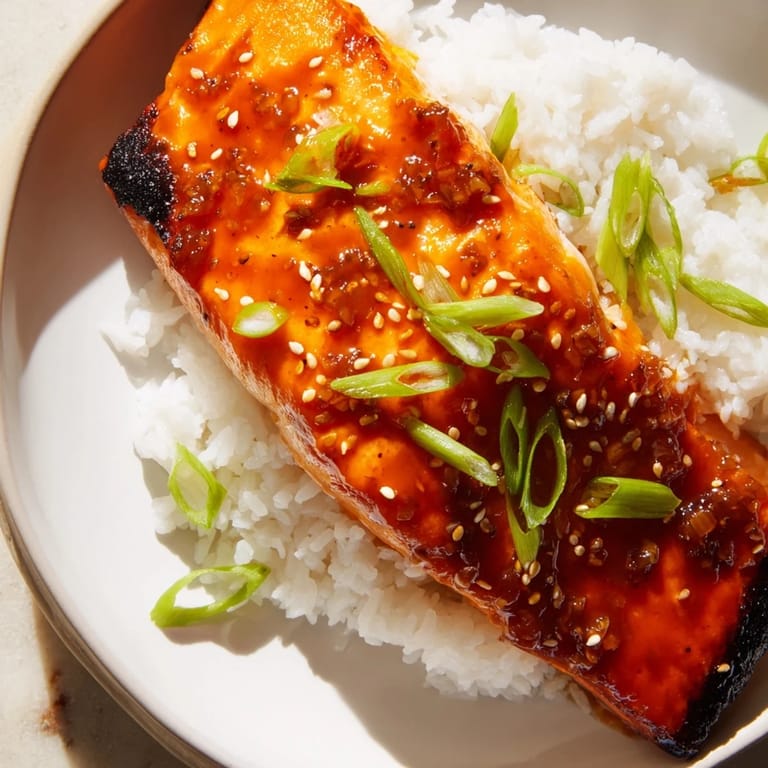
- Place your marinated salmon fillets skin-side down on the prepared baking sheet, brush them with a little more glaze, and slide them under the broiler about 5 to 7 inches from the heat. Broil for 3 to 4 minutes, brush them with more glaze (this is what creates that sticky, caramelized exterior), and then continue broiling for another 3 to 4 minutes until the salmon is cooked through and the top is burnished and shiny.
- Finish the glaze:
- While the salmon is broiling, pour the remaining glaze into a small saucepan and let it simmer over medium heat for 2 to 3 minutes, stirring occasionally, until it's slightly thickened and glossy.
- Plate and serve:
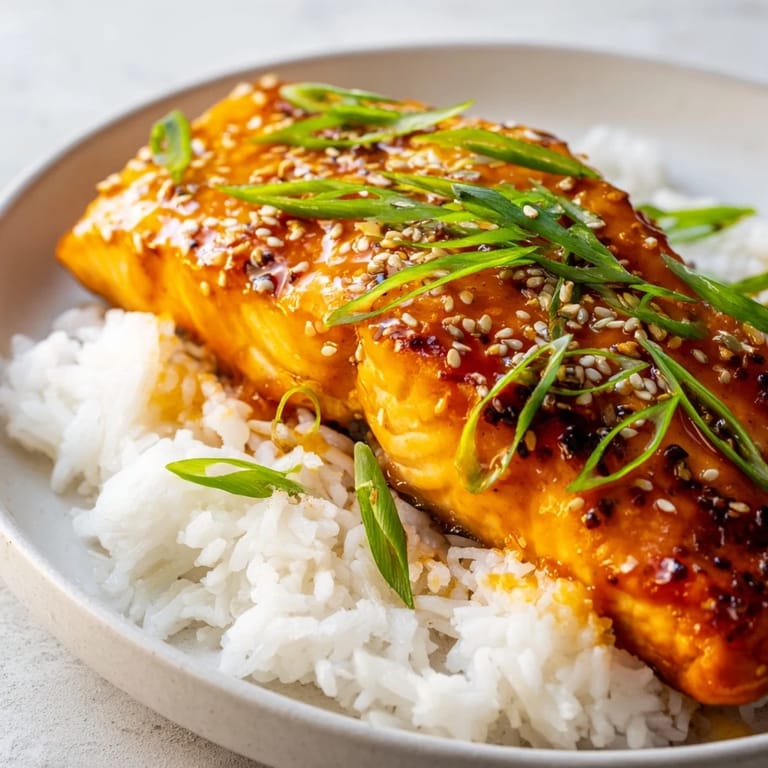
- Divide the fluffy rice among bowls, top each portion with a glazed salmon fillet, drizzle the thickened sauce over everything, and scatter scallions, sesame seeds, and a pinch of orange zest across the top.
 Save
Save My mom tasted this once and immediately started asking about gochujang and where to buy jasmine rice, which meant I'd accidentally converted another person to the church of Asian-inspired cooking. Now she makes her own version with whatever salmon she can find, and we text each other photos of our results—which is probably the highest compliment a recipe can receive.
Why the Glaze Is the Star
The magic of this dish really does come down to the glaze—that combination of spicy, sweet, and citrusy all working together to create something that tastes way more complicated than the five minutes it takes to put together. The gochujang brings this funky umami depth, the honey and orange juice smooth it out into something approachable, and the rice vinegar keeps everything from feeling too heavy. Once it hits the salmon and gets broiled, it caramelizes into this sticky, burnished layer that's honestly addictive.
Rice That Tastes Like Butter and Care
I used to think jasmine rice was just a fancy word for regular rice until I started rinsing it properly and using butter instead of oil. The difference is subtle but real—the rice tastes more fragrant, fluffier, and it absorbs the glaze that runs onto it without turning to mush. The butter is doing a lot of work here, making everything taste a little bit richer and a lot more forgiving.
Finishing Touches That Make All the Difference
Don't overlook the garnish because it's what transforms a bowl of rice and salmon into something that looks and tastes intentional. The scallions bring a fresh, sharp bite that cuts through the richness, the sesame seeds add a little bit of crunch and toastiness, and the orange zest is like a whisper of the orange juice that's already in the glaze—just a reminder of where all these flavors came from. The whole bowl comes together as something greater than its individual parts.
- If you want to make this spicier, add a pinch of chili flakes to the glaze—just a small amount at first because gochujang is already packing heat.
- Swap the jasmine rice for brown rice or quinoa if you want something earthier, though jasmine really is the best match for this particular sauce.
- Pair this with a crisp white wine like Sauvignon Blanc or a citrusy IPA if you're feeling fancy.
 Save
Save This recipe became a regular in my kitchen because it bridges that tricky gap between looking impressive and actually being simple—and because salmon glazed with anything orange and gochujang just tastes like someone cared enough to think about what they were cooking. Make it once and you'll understand why.
Recipe Questions
- → How do I prevent salmon from sticking while broiling?
Lightly oil the baking sheet and ensure the salmon skin is dry before placing it skin-side down. Brushing with glaze also helps create a barrier to prevent sticking.
- → Can I substitute jasmine rice with another grain?
Yes, brown rice or quinoa works well as alternatives, providing a different texture while complementing the glaze flavors.
- → What is the best way to make the glaze thicker?
Simmer the leftover glaze in a small saucepan over medium heat for a few minutes until it reduces and slightly thickens.
- → How do I adjust the heat level in the glaze?
Add a pinch of chili flakes to the glaze for extra spiciness, or reduce gochujang quantity for milder flavor.
- → What serving suggestions pair well with this dish?
Pair with a crisp white wine like Sauvignon Blanc or a citrusy IPA to enhance the orange and savory flavors.