 Save
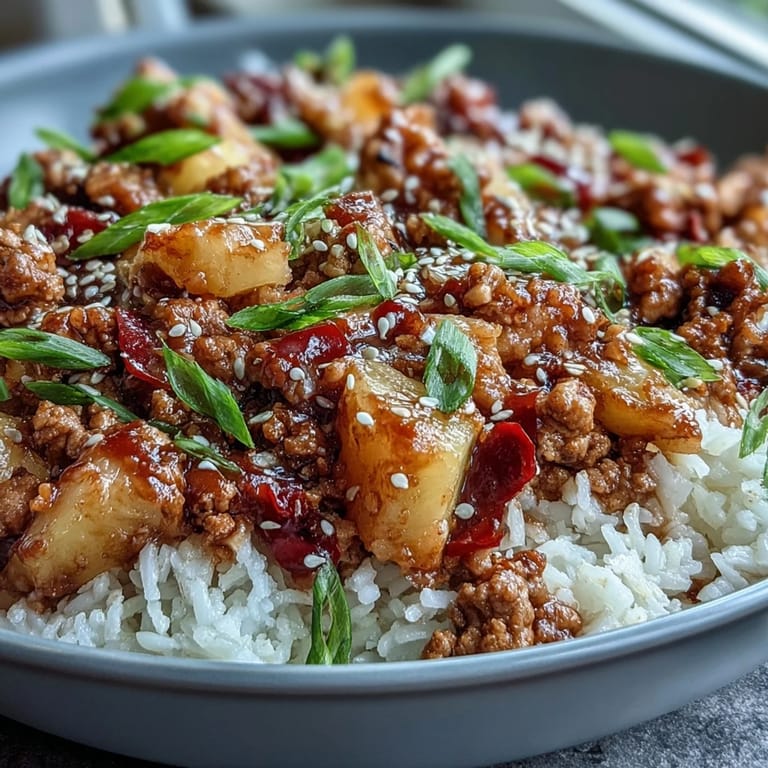
Save My neighbor stopped by unannounced on a Tuesday evening with a bottle of wine and zero dinner plans, so I raided the pantry and realized I had everything for this Korean-inspired skillet except an excuse to keep things simple. The pineapple was a gamble I almost didn't take, but watching her face light up when that first sweet-and-sour bite hit was worth every doubt. This dish has since become my go-to when I need something that tastes like I spent hours cooking but actually takes less time than a TV episode.
I made this for my sister's family on a random Saturday, and her five-year-old actually asked for seconds, which never happens with anything remotely spicy. My brother-in-law, who claims everything is too salty, went back for thirds without comment. That's when I knew this recipe had crossed from weeknight dinner into something that could genuinely bring people together.
Ingredients
- Ground turkey: Look for the 93-percent lean if you want less grease pooling on top, but honestly, the fattier stuff keeps everything more tender and forgiving.
- Red, green, and yellow bell peppers: The trio of colors matters more than you'd think—they cook at slightly different rates, so you get some texture variation instead of everything turning into mush.
- Pineapple chunks: Fresh is always better if you have time, but canned drained pineapple works beautifully and means you're not buying a whole fruit for one cup.
- Gochujang: This Korean chili paste is the backbone of the sauce; start with one tablespoon and taste before adding more because it builds heat as it sits.
- Day-old cooked rice: This is non-negotiable—freshly cooked rice will turn mushy and clingy, but refrigerated rice holds its shape and gets those crispy edges you actually want.
- Soy sauce: Use regular or low-sodium depending on your preference, but remember that gochujang already brings saltiness to the party.
- Sesame oil: Just a teaspoon adds that toasted aromatics that make people think you went to culinary school.
Tired of Takeout? 🥡
Get 10 meals you can make faster than delivery arrives. Seriously.
One email. No spam. Unsubscribe anytime.
Instructions
- Brown the turkey with confidence:
- Heat oil until it shimmers, then add ground turkey and let it sit undisturbed for a minute before breaking it up—this gives you those lovely caramelized bits instead of gray, steamed meat. Season early so the flavor goes into the turkey, not just on top.
- Build your flavor base:
- Once the turkey is gone, don't rush the garlic and onion stage; you want them soft and fragrant, almost melting into the oil. This takes maybe two minutes but changes everything about the final dish.
- Add peppers strategically:
- They go in after the aromatics and cook just until they lose their raw edge but still have snap—about three to four minutes. If you wait until the end, they stay crisp but taste raw; if you start them early, they get mushy.
- Bring everything back together:
- Return the turkey, add pineapple, and give it a good stir so the juice starts releasing into the pan. This is where the magic starts, even though it doesn't look like much yet.
- Mix and marry the sauce:
- Combine soy sauce, vinegar, ketchup, gochujang, brown sugar, and sesame oil in a bowl before it hits the pan—this prevents the gochujang from clumping and ensures even distribution. Pour it over everything and toss until every piece is glossy and coated.
- Fold in the rice and finish:
- Break up any clumped rice as you add it, then stir-fry for three to four minutes so the grains absorb the sauce and you get some caramelized edges on the bottom. Taste and adjust salt or heat to your preference before plating.
- Top and serve:
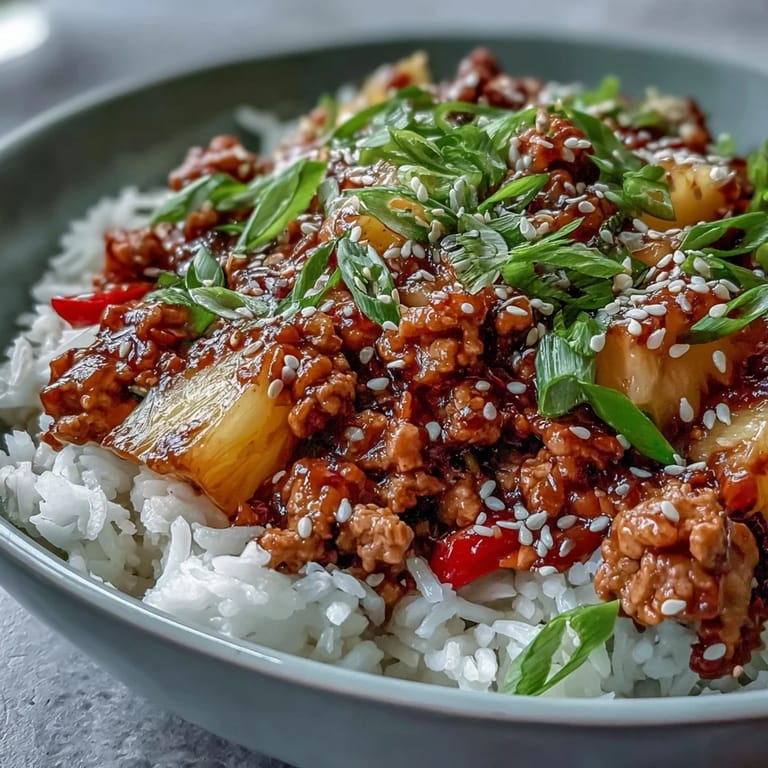
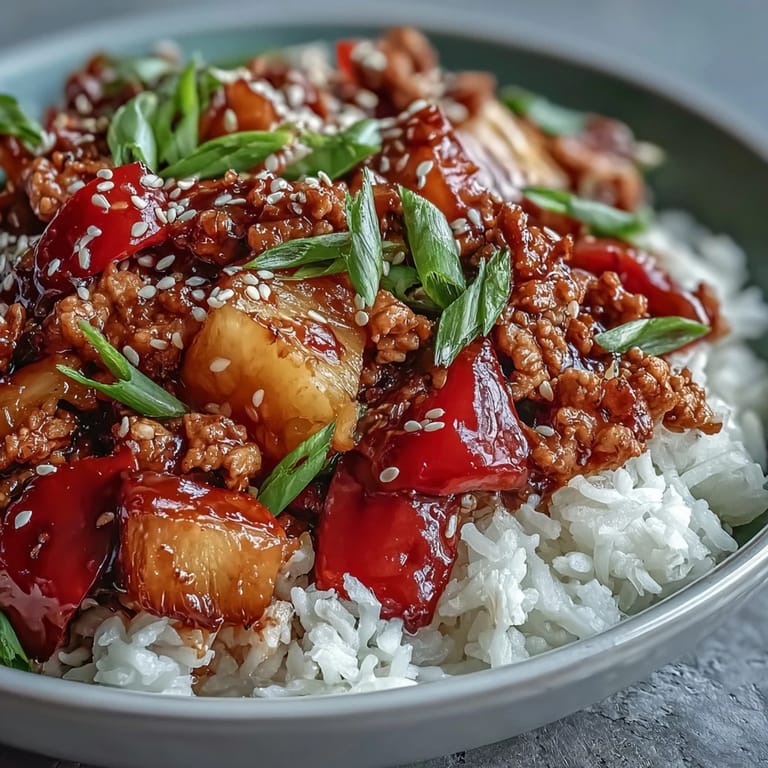
- Fried eggs are optional but honestly, they make this feel like dinner and breakfast got together. Scatter scallions and sesame seeds on top right before serving so they stay vibrant and add texture.
 Save
Save 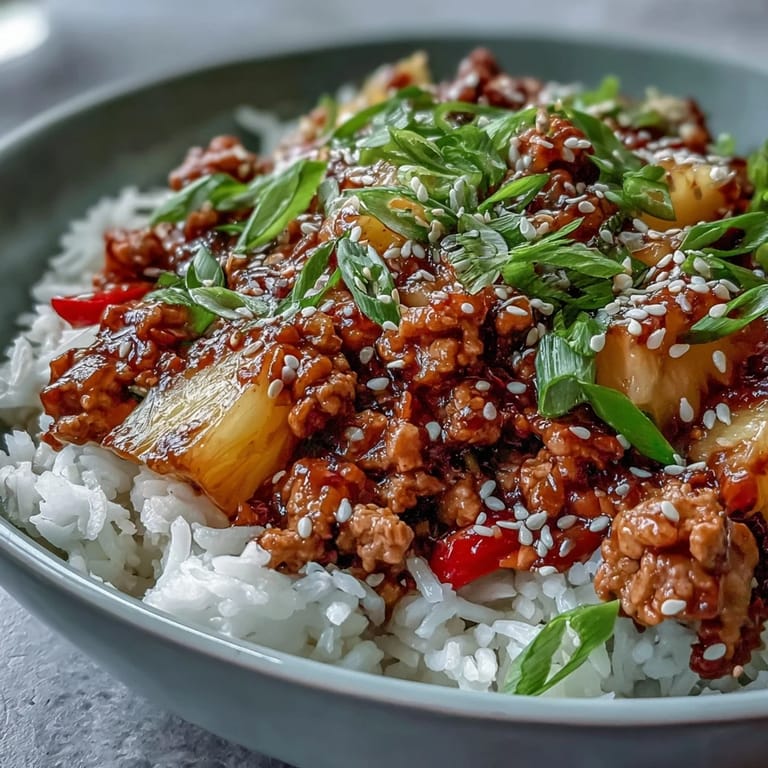 Save
Save There's something about serving this dish that makes people slow down and actually taste their food instead of rushing through another Wednesday. My partner and I have eaten this at least a dozen times now, and we still debate whether the pineapple or the gochujang is doing the heavier lifting in making us happy.
Why This Dish Works as Weeknight Salvation
Ground turkey cooks faster than almost any protein, and the one-pan method means you're not juggling multiple burners or keeping things warm while other components finish. The sauce comes together in seconds, and because everything goes into one skillet, the flavors have time to mingle and deepen while you set the table. By the time you sit down, it tastes like you've been simmering this all day, but you haven't.
How to Adjust This for Your Heat Tolerance
Gochujang brings spice, but it's the kind that builds rather than punches, so you have control over how much heat ends up in the pan. If you're cooking for mixed preferences, start with half a tablespoon and let people add more at the table via extra sauce or chili flakes. If you like things fiery, double the gochujang or add red pepper flakes during the sauce-mixing stage and watch how it transforms the whole dish.
Making It Your Own and Keeping Leftovers Fresh
This recipe is forgiving enough to handle substitutions—use ground chicken or pork if turkey isn't your thing, swap the pineapple for mango or peaches if you're working with what you have, or add snap peas and water chestnuts for crunch. Leftovers taste even better the next day because the rice fully absorbs the sauce, and they keep in the fridge for three days if you store them in an airtight container.
- Snap peas or water chestnuts add textural contrast and taste bright against the sweet-and-sour sauce.
- Make a double batch and freeze half in portions for nights when you need dinner in ten minutes, not forty.
- Scramble an egg into the rice instead of topping with a fried egg if you're in a rush and still want that protein boost.
 Save
Save 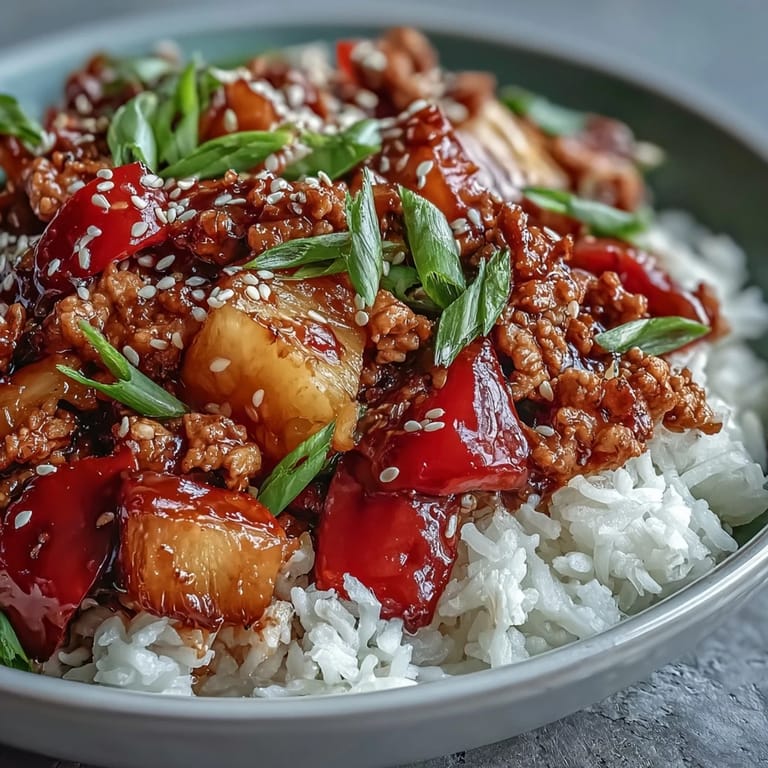 Save
Save This skillet has become the recipe I reach for when I want to cook something that tastes intentional without feeling like work, and somehow it always brings people back to the table. Make it once and you'll understand why it's now in permanent rotation at my house.
Recipe Questions
- → What makes this dish Korean-inspired?
The inclusion of gochujang (Korean chili paste), sesame oil, rice vinegar, and soy sauce creates the distinctive Korean flavor profile. The sweet-and-sour preparation mimics popular Korean fusion dishes.
- → Why use day-old rice?
Day-old rice has dried slightly, which prevents it from becoming mushy during stir-frying. Freshly cooked rice contains more moisture and can turn gummy when tossed with sauce.
- → Can I make this less spicy?
Simply reduce or omit the gochujang. You can also substitute with a small amount of tomato paste mixed with a pinch of cayenne for milder heat.
- → What proteins work as substitutes?
Ground chicken, pork, or even crumbled tofu work well. The cooking time remains similar, though tofu will need less time to brown.
- → How do I store leftovers?
Refrigerate in an airtight container for up to 3 days. Reheat in a skillet over medium heat, adding a splash of water if the rice seems dry.
- → Can I freeze this dish?
Yes, freeze without the fried egg topping. Portion into freezer-safe containers for up to 2 months. Thaw overnight before reheating.