 Save
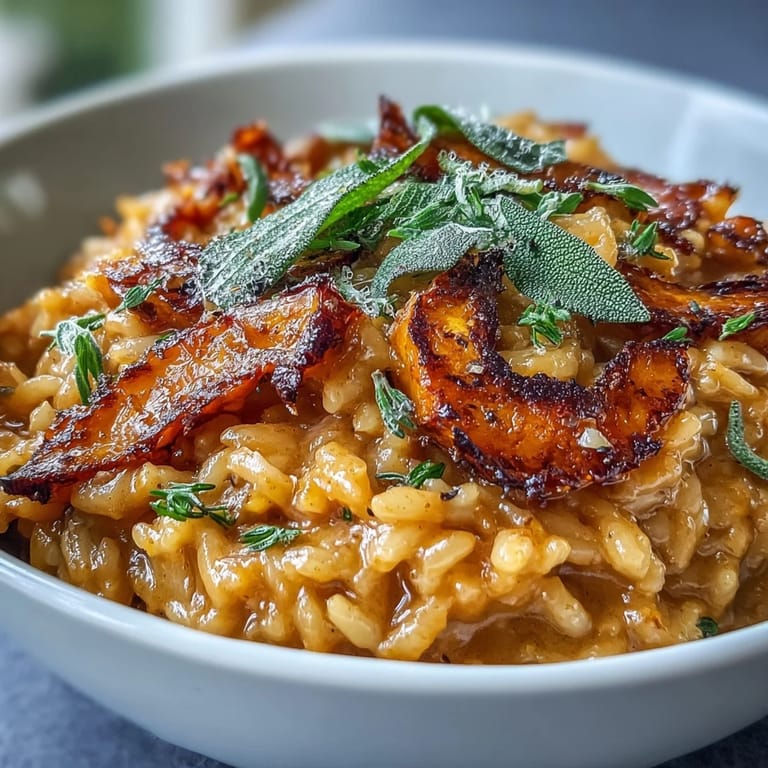
Save I discovered this risotto on a drizzly October afternoon when my farmer's market haul of pumpkins felt too good to waste on soup alone. There's something about the way arborio rice transforms into this silky, golden canvas that just begged for autumn's sweetest vegetable. The crispy sage leaves were almost an afterthought—a garnish I added because they were sitting in my herb pot—but they became the whole reason I keep making this now. It's become my answer to "what do I bring" when someone asks me to dinner in fall.
I made this for my partner on the first chilly night of the season when we both wanted something warm but didn't want to commit to soup. Watching them eat in silence for the first minute before looking up and asking if I'd made it from scratch—that small validation somehow mattered more than any compliment about the technique. Now whenever the leaves start turning, they'll casually mention how it's been too long since I've made "the orange risotto," which has become its own kind of tradition.
Ingredients
- Pumpkin (1 small, about 600 g): Roasting first concentrates its natural sweetness and prevents the risotto from becoming watery—this is the move that changed everything for me.
- Arborio rice (300 g): This short-grain rice releases starch as it cooks, which creates that creamy texture without dairy; anything else will give you a different dish entirely.
- Yellow onion (1 medium): The foundation of flavor—chop it fine and let it soften until you can barely see the pieces.
- Garlic (2 cloves): A quick minute in the pan is all it needs before the rice goes in; any longer and it turns bitter.
- Vegetable broth (1.2 liters): Keep it simmering on a back burner so each addition stays warm and the rice doesn't shock into stopping.
- Dry white wine (120 ml, optional): The acidity brightens everything, but if you skip it, just add more broth and you'll be fine.
- Olive oil (3 tbsp, divided): One portion roasts the pumpkin, one sautés the aromatics, and one crisps that sage—don't skimp here.
- Fresh sage (15–20 leaves): These need to fry separately until they shatter; it's only a minute but it's non-negotiable.
- Nutmeg (½ tsp): Freshly grated if possible—it adds a whisper of warmth that makes people ask what the secret ingredient is.
- Nutritional yeast (2 tbsp, optional): This gives a subtle umami depth that mimics the salty nuttiness of parmesan.
- Lemon zest (½ lemon): The final brightness that cuts through the richness and makes each bite feel alive.
Tired of Takeout? 🥡
Get 10 meals you can make faster than delivery arrives. Seriously.
One email. No spam. Unsubscribe anytime.
Instructions
- Roast the pumpkin until it turns golden:
- Preheat your oven to 200°C, toss those diced pieces with a tablespoon of olive oil and a pinch of salt, then let them caramelize for 20–25 minutes. You'll smell when they're ready—a sweet, toasted aroma that fills your kitchen.
- Build your flavor base with onion and garlic:
- Heat olive oil in your large skillet over medium heat and add the chopped onion, watching it soften and turn translucent over 3–4 minutes. Stir in the garlic for just one minute—you want it fragrant, not brown.
- Toast the rice to coat each grain:
- Add the arborio rice and stir it around for two minutes, letting the heat seal the outside slightly. The rice will start to smell a little nutty and feel slightly drier to your spoon.
- Add wine to wake up the pan:
- Pour in that white wine if you're using it and stir until it's nearly all absorbed, about two minutes. If you're skipping it, just move straight to the broth—no harm done.
- Add broth one ladle at a time with patience:
- This is the meditation part of risotto: add a ladle of warm broth, stir fairly often, and wait until it's mostly absorbed before the next addition. Keep going for about 18–20 minutes until the rice tastes creamy but still has a slight firmness when you bite it.
- Crisp the sage while the rice finishes:
- In a small skillet, heat the last tablespoon of olive oil over medium-high heat and add those sage leaves for just 30–60 seconds until they're shattering and dark. Transfer them immediately to a paper towel before they burn.
- Fold in the pumpkin and seasonings gently:
- When the rice is nearly done, stir in the roasted pumpkin, nutmeg, and nutritional yeast if using, letting everything warm through. Taste and adjust salt and pepper until it feels balanced.
- Serve while everything is hot:
- Spoon the risotto into bowls and immediately top with those crispy sage leaves and a scatter of lemon zest. The warmth matters here—risotto cools quickly and loses its magic.
 Save
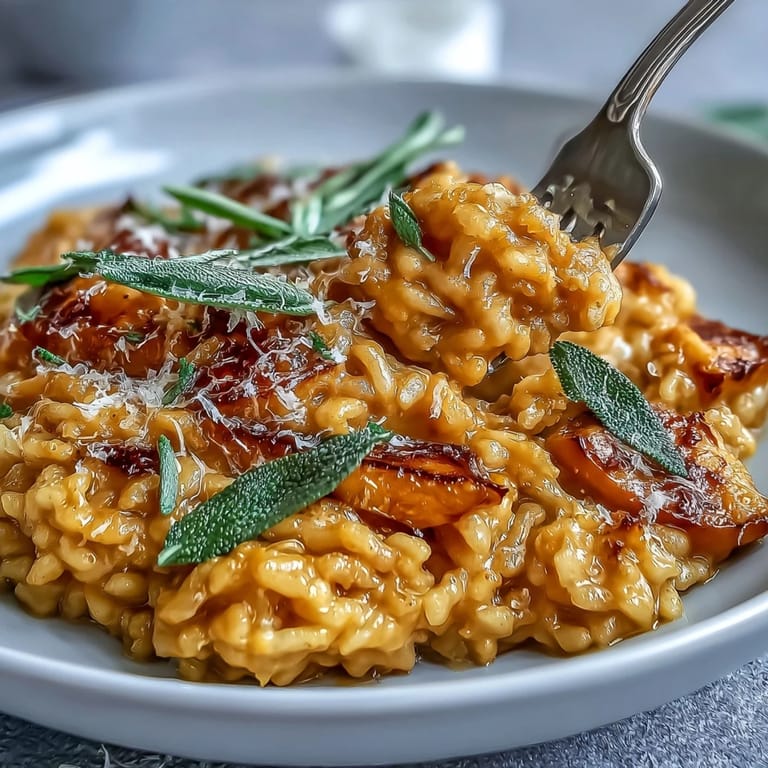
Save There was an evening when I made this for someone who had been vegan for three months and was still grieving all the comfort foods they thought they'd lost. Watching them taste it and then immediately get quieter—that moment when food becomes something more than nutrition—that's when I understood why I kept coming back to this recipe. It proved that plant-based cooking isn't about substitution; it's about taking the best parts of a season and letting them shine.
The Magic of Roasting the Pumpkin First
I learned this by accident when I once tried to save time by pureeing raw pumpkin and stirring it in at the end. The result was mushy, watery, and entirely forgettable—the pumpkin didn't taste like anything except regret. But when you roast it first, the natural sugars concentrate and caramelize, creating this deep sweetness that transforms the entire dish. Now I roast extra pumpkin just to keep in my fridge for other meals, because roasted pumpkin is honestly better than most things.
Why Stirring Actually Matters Here
Risotto gets a reputation for being fussy because of all that stirring, but it's not about fussiness—it's about rhythm. When you stir frequently, you're releasing starch from the rice grains into the liquid, which is what creates that signature creaminess. The first few times I made this, I tried to cut corners by stirring only when I remembered, and the result was grainy and separated. Once I committed to the process—treating it like a meditation rather than a chore—everything clicked.
Keep Your Broth Warm and Your Expectations Real
A cold ladle of broth hitting hot rice will slow down cooking and create uneven texture, which is why that extra pot simmering on a back burner matters more than you'd think. Also, accept that risotto can take 20 minutes—there's no shortcut that doesn't result in undercooked rice, and that's just the nature of this dish. Once you stop fighting against the time it takes, the whole experience becomes more enjoyable.
- Taste the rice regularly starting around the 15-minute mark so you catch it at exactly the right moment of doneness.
- If you're making this for guests, prep your pumpkin and ingredients ahead of time so the cooking part is just assembly and attention.
- Remember that risotto continues to cook slightly even after you stop adding broth, so pull it off the heat when it's still just barely creamy.
 Save
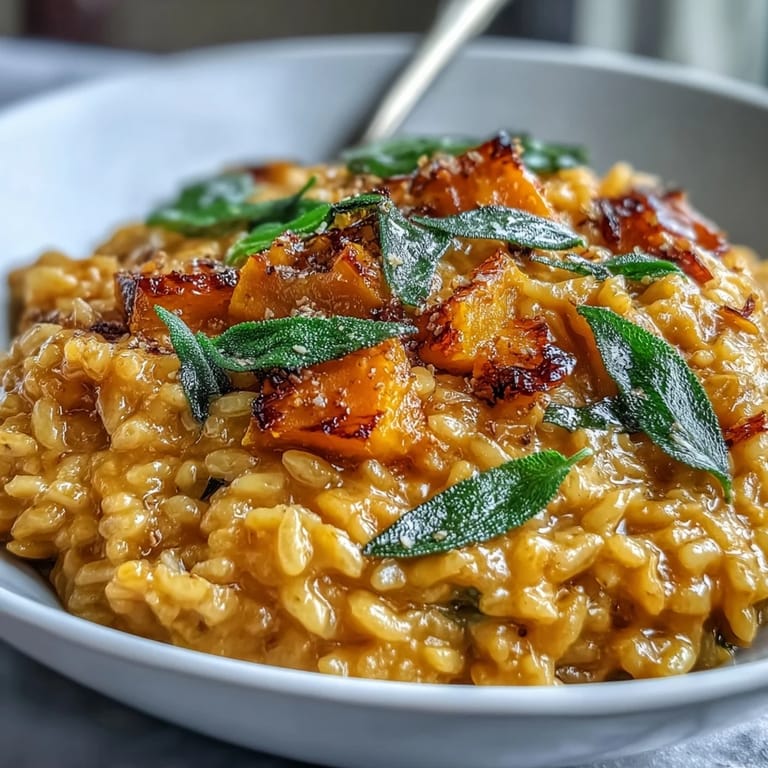
Save This risotto has quietly become one of those recipes that proves vegan cooking is just good cooking with different ingredients. Every time I make it, someone asks for the recipe, and every time I give it, they come back saying they finally understand what they'd been missing.
Recipe Questions
- → Can I use a different type of rice?
Arborio rice is essential for achieving the characteristic creamy texture. Other short-grain varieties like Carnaroli or Vialone Nano work well, but long-grain rice won't produce the same results.
- → How do I make the risotto extra creamy?
Blend half of the roasted pumpkin before adding it to the risotto. The puréed pumpkin creates an even creamier consistency while maintaining the dish's natural sweetness.
- → Can I prepare any components ahead of time?
Yes, you can roast the pumpkin and prepare the crispy sage leaves up to a day in advance. Store them separately and reheat the pumpkin gently before folding into the freshly cooked risotto.
- → What can I substitute for white wine?
Simply use additional vegetable broth if you prefer to omit wine. For added depth, try a splash of white wine vinegar or lemon juice mixed with broth.
- → How do I know when the risotto is done?
The rice should be al dente with a slight bite in the center, and the overall texture should be creamy and flow slightly when plated. This typically takes 18-20 minutes of gradual broth addition.
- → Can I use butternut squash instead of pumpkin?
Absolutely. Butternut squash works beautifully as a substitute and provides similar sweetness and texture. Roast it the same way as the pumpkin.