 Save
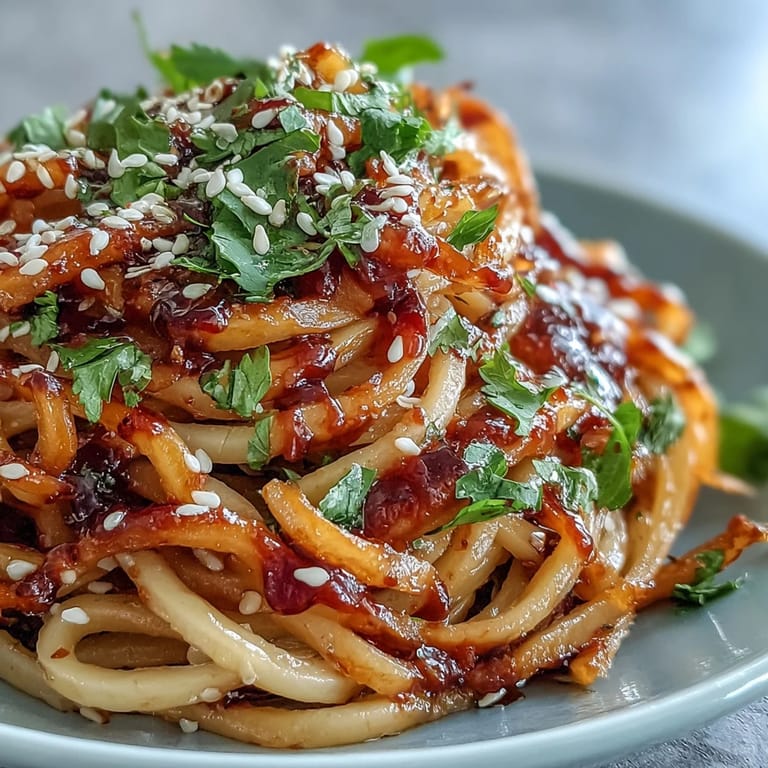
Save I discovered gochujang at a Korean market on a rainy Tuesday, drawn by the crimson jars gleaming under fluorescent lights. The vendor mentioned it transformed vegetables into something transcendent, and I left clutching a container, uncertain but curious. Weeks later, while staring at a lonely swede in my crisper, I remembered that conversation and decided to roast it into ribbons. The moment those caramelized strips hit the spicy-sweet dressing, I understood the magic she'd hinted at. This dish became my go-to when I need something that feels both comforting and adventurous.
My partner walked into the kitchen while I was plating this dish and immediately asked if I'd ordered from that Korean place down the street. When I explained I'd made it at home for less than half the price, he became a regular taste-tester for every variation I attempted. Now whenever he's had a rough day, he'll text me asking if I'm making the noodles tonight. It's strange how a dish can become shorthand for care.
Ingredients
- Swede (rutabaga): This root vegetable's natural sweetness becomes almost honeyed when roasted, providing the perfect base for spicy gochujang. Cut yours thin so the edges caramelize while the inside stays tender.
- Gochujang: Korean chili paste that tastes like it contains whispered secrets. It's umami-rich and slightly funky, which is exactly why it works so brilliantly here.
- Rice noodles: Their delicate, slightly springy texture catches the dressing better than wheat noodles would. Cook them just until tender, not a second longer.
- Toasted sesame oil: A small amount delivers disproportionate flavor, so resist the urge to add more than the recipe calls for.
- Spring onions: Add these raw for a bright, sharp contrast that cuts through the richness of the dressing beautifully.
- Maple syrup or honey: This balances the heat and salt, creating a dressing that's genuinely crave-worthy rather than just spicy.
Tired of Takeout? 🥡
Get 10 meals you can make faster than delivery arrives. Seriously.
One email. No spam. Unsubscribe anytime.
Instructions
- Set your oven to high heat:
- Preheat to 220°C (425°F) so the swede ribbons roast quickly and develop golden, caramelized edges.
- Prepare the swede for roasting:
- Toss your peeled swede ribbons with vegetable oil, salt, and pepper until every piece glistens lightly. Spread them across a baking sheet in a single layer without crowding.
- Roast until tender and golden:
- Slide the tray into the oven and let it work for 25 to 30 minutes, giving everything a gentle toss halfway through. You'll know it's ready when the edges turn deep golden and the texture feels soft when pierced with a fork.
- Cook the noodles simultaneously:
- While the swede roasts, bring a large pot of water to boil and add your rice noodles. Follow the package timing exactly, then drain and rinse with cold water to stop the cooking.
- Build the dressing:
- In a small bowl, whisk together gochujang, soy sauce, maple syrup, rice vinegar, sesame oil, garlic, ginger, and optional chili flakes. Add water gradually until the mixture flows like honey but still clings to a spoon.
- Bring everything together:
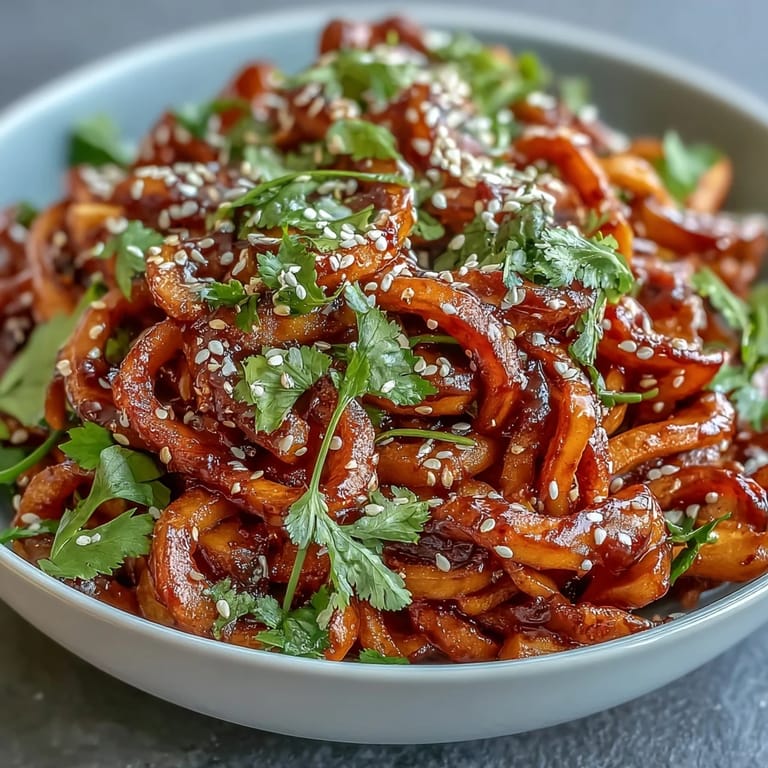
- In a large mixing bowl, combine your cooled noodles, roasted swede, raw spring onions, and any optional vegetables. Pour the dressing over everything and toss gently but thoroughly, ensuring each strand of noodle and vegetable piece gets coated.
- Finish and serve:
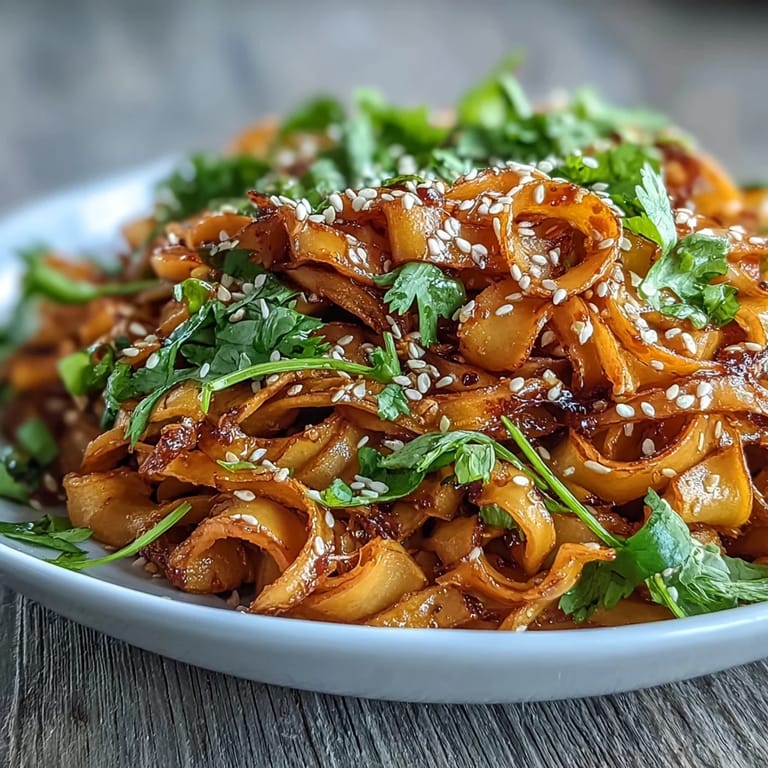
- Divide into bowls and scatter toasted sesame seeds and fresh cilantro across the top. Serve immediately while the swede is still warm and the noodles retain a slight bounce.
 Save
Save Last month, I made this for my mother-in-law, who'd spent the morning telling me she couldn't eat spicy food. She took one tentative bite, then another, then asked for seconds before I'd even sat down. We ended up talking for two hours about how heat and sweetness work together, and she left with the recipe written on an envelope. That conversation shifted something in how I think about cooking for others.
The Magic of Swede in Warm Dishes
Swede often gets relegated to winter stews and mashes, which feels like underutilizing a vegetable with real personality. When you roast it into ribbons, it develops a complexity that's both earthy and sweet, almost like caramelized onions' more elegant cousin. The high heat in the oven concentrates its natural sugars while drying the surface just enough to catch the dressing and create pockets of flavor. I've tried this with other root vegetables, but swede's texture and taste make it uniquely suited to this preparation.
Building Layers of Flavor
The dressing is where this dish truly lives or dies, which is why I spend an extra minute whisking each component separately before combining. Gochujang needs time to release its fermented funk into the surrounding ingredients, and the sesame oil should be toasted, never raw. The rice vinegar cuts through richness while the maple syrup prevents the heat from becoming aggressive. I learned this the hard way when I rushed the dressing step and ended up with something one-note and flat.
Customizing Without Losing the Soul
This dish welcomes additions without needing them, which is the mark of a well-balanced recipe. Some nights I add crispy tofu cubes or edamame for protein, other times I scatter fresh mint alongside the cilantro for a different green note. The core combination of roasted swede, rice noodles, and gochujang dressing remains steadfast no matter what you introduce. Here's what I've learned works beautifully:
- Pan-fried tofu cubes absorb the dressing while adding a satisfying textural contrast to the noodles.
- A squeeze of lime juice at the very end brightens everything and adds a subtle citrus undertone.
- For extra crunch, crush some roasted cashews or peanuts over the top just before serving.
 Save
Save This recipe has become my secret weapon for dinner parties because it feels special without demanding hours of your time. It reminds me that fusion cooking at its best simply respects its ingredients and lets them speak without pretension.
Recipe Questions
- → Can I substitute swede with another vegetable?
Yes, you can use sweet potato, butternut squash, or parsnips as alternatives. Adjust roasting time as needed based on the vegetable's density.
- → How spicy is this dish?
The heat level is moderate, primarily from gochujang. You can reduce the amount or omit chili flakes for a milder version, or add more for extra kick.
- → Can I make this dish ahead of time?
Yes, you can roast the swede and prepare the dressing up to 2 days ahead. Store separately and combine with freshly cooked noodles when ready to serve.
- → What can I use instead of rice noodles?
Soba noodles, udon, or even zucchini noodles work well. Cooking times will vary, so follow package instructions for your chosen noodle type.
- → Is gochujang gluten-free?
Traditional gochujang may contain wheat. Look for certified gluten-free versions and use tamari instead of regular soy sauce for a completely gluten-free dish.
- → How do I store leftovers?
Store in an airtight container in the refrigerator for up to 3 days. The noodles may absorb the dressing, so add a splash of water or extra dressing when reheating.