 Save
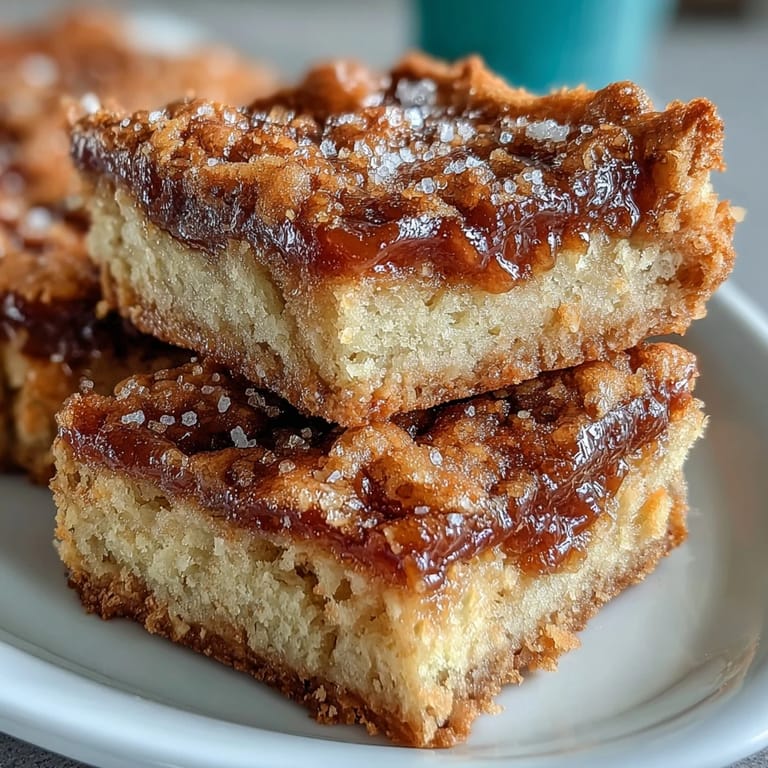
Save My neighbor Maria brought these over one afternoon, still warm from her oven, and the smell of buttery cake with guava filling completely took over my kitchen. She'd learned the recipe from her abuela in Havana, and watching her casually layer that vibrant pink guava paste between two sheets of tender dough felt like being let in on a family secret. That first bite—the way the sweet, slightly tart guava sang against the soft, pillowy cake—I knew I had to figure out how to make them myself.
I made these for the first time on a rainy Sunday, half-convinced I'd mess up the dough layering, but something about the gentle process—beating butter and sugar until it was cloud-soft, carefully folding in flour—made the whole afternoon feel unhurried. By the time the golden tops came out of the oven, my daughter had already wandered into the kitchen three times asking when they'd be ready. We ended up eating them warm with coffee that evening, and they disappeared before dinner.
Ingredients
- All-purpose flour (2 cups / 250 g): The foundation that keeps these bars tender rather than dense; measure by spooning into your cup and leveling off, never scooping straight from the bag.
- Baking powder (1½ teaspoons): Gives the cake its gentle rise and airy crumb, making sure it stays soft even after a day or two of sitting.
- Fine sea salt (¼ teaspoon): A pinch that doesn't announce itself but makes the sweetness feel rounder and more complex.
- Unsalted butter (½ cup / 115 g), softened: Room temperature is non-negotiable here; cold butter won't cream properly with the sugar, and you'll miss that fluffy texture that makes these special.
- Granulated sugar (¾ cup / 150 g): The sweetener that creams into butter to create an airy base for the whole cake.
- Large eggs (3), at room temperature: Cold eggs can cause the batter to seize up; take them out of the fridge about twenty minutes before mixing.
- Vanilla extract (1 teaspoon): A quiet vanilla note that plays beautifully with the guava without competing.
- Whole milk (⅓ cup / 80 ml): Added in turns with the flour to keep the batter smooth and prevent overmixing.
- Guava paste (12 oz / 340 g), sliced into thin strips: The star filling that brings everything together; slice it while it's still cool and firm, and distribute the strips in a single even layer for consistent bites throughout.
Tired of Takeout? 🥡
Get 10 meals you can make faster than delivery arrives. Seriously.
One email. No spam. Unsubscribe anytime.
Instructions
- Get your oven and pan ready:
- Preheat to 350°F (175°C) and line your 8x8-inch pan with parchment paper, leaving some overhang so you can lift the whole thing out later without any wrestling matches. This small step saves you from scraping dried cake bits off the edges.
- Mix the dry ingredients:
- Whisk flour, baking powder, and salt together in a medium bowl until they're evenly combined and aerated. This prevents lumps later and distributes the leavening throughout.
- Cream butter and sugar into clouds:
- Beat them together in a large bowl for about 2–3 minutes until the mixture looks pale, fluffy, and almost mousse-like. This is where the cake gets its tender structure, so don't rush it.
- Add eggs one at a time:
- Drop each egg in and beat well after each addition before adding the next one, letting each fully incorporate so the batter stays smooth. Once all three are in, mix in the vanilla extract.
- Alternate dry and wet ingredients:
- Add about a third of the flour mixture to the egg mixture, beat gently, then pour in half the milk, beat again, then add another third of flour, the remaining milk, and finally the last of the flour. Stop mixing as soon as you don't see streaks of flour anymore.
- Layer the base and guava:
- Spread exactly half the dough evenly into the prepared pan using an offset spatula or the back of a spoon. Arrange the guava paste strips in a single layer on top, leaving a tiny edge at the borders so they don't touch the pan sides during baking.
- Cover with the top dough layer:
- Gently spread the remaining dough over the guava, using a spatula or your slightly dampened fingertips to cover as completely as you can without pressing down and squishing the layers together. A few small gaps are fine and actually look charming.
- Bake until golden and set:
- Slide the pan into the oven for 38–42 minutes, watching for the top to turn golden brown and a toothpick inserted into the pastry (aim for the edges to avoid hitting guava) to come out clean. You'll know it's done when the edges start pulling away from the sides of the pan just slightly.
- Cool completely before cutting:
- Let the pan sit on a counter or cooling rack until it reaches room temperature—this usually takes about an hour. Cutting warm bars will cause them to crumble, but once they're fully cooled, they slice cleanly into sixteen perfect pieces.
 Save
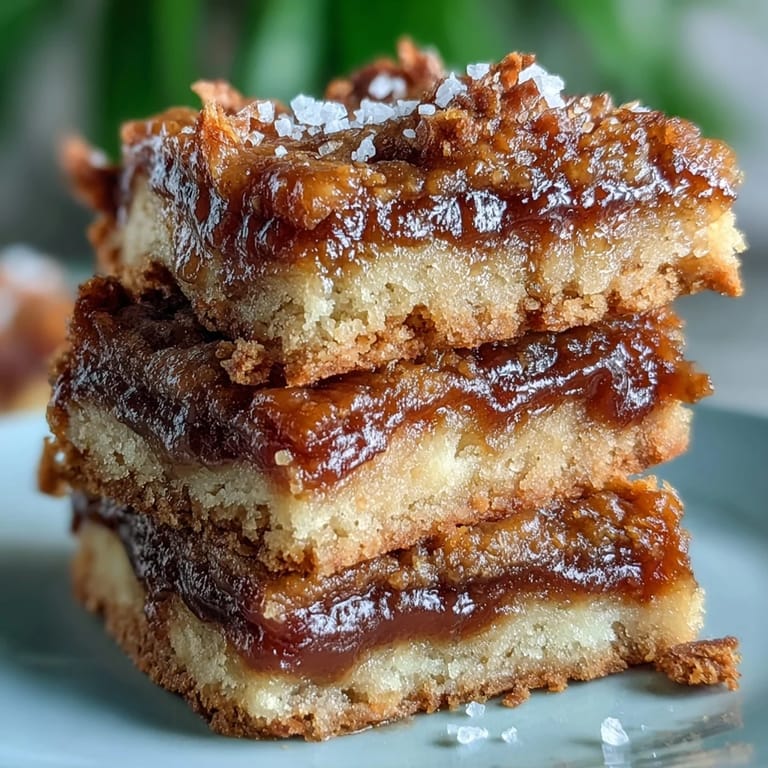
Save There's a moment after you pull these bars out of the oven when the kitchen smells like toasted butter and warm guava, and that's when you know you've nailed it. My sister texted asking for the recipe after one bite, and I realized these simple bars had become the kind of thing people actually request.
The Guava Paste Question
Finding good guava paste took me a few trips to different stores, but it's worth seeking out—the quality makes a huge difference in how sweet and authentic these bars taste. Look for it in the international aisle or Hispanic grocery sections, where it usually comes in a brick or tin. Some brands are cloyingly sweet, while others have this deep, almost tart edge that feels like actual guava fruit, so don't be shy about trying different brands until you find one you love.
When You Want to Play Around
Once I started making these regularly, I began tweaking them slightly depending on what I had on hand or what mood I was in. A light grating of lime zest into the dough adds a subtle brightness that plays beautifully with the guava, and I've also experimented with mixing a thin layer of cream cheese underneath the guava paste for a richer, tangier result. The core recipe is forgiving enough to handle small additions like that without falling apart, though I'd avoid major changes like swapping out the guava for something completely different.
Storage and Keeping
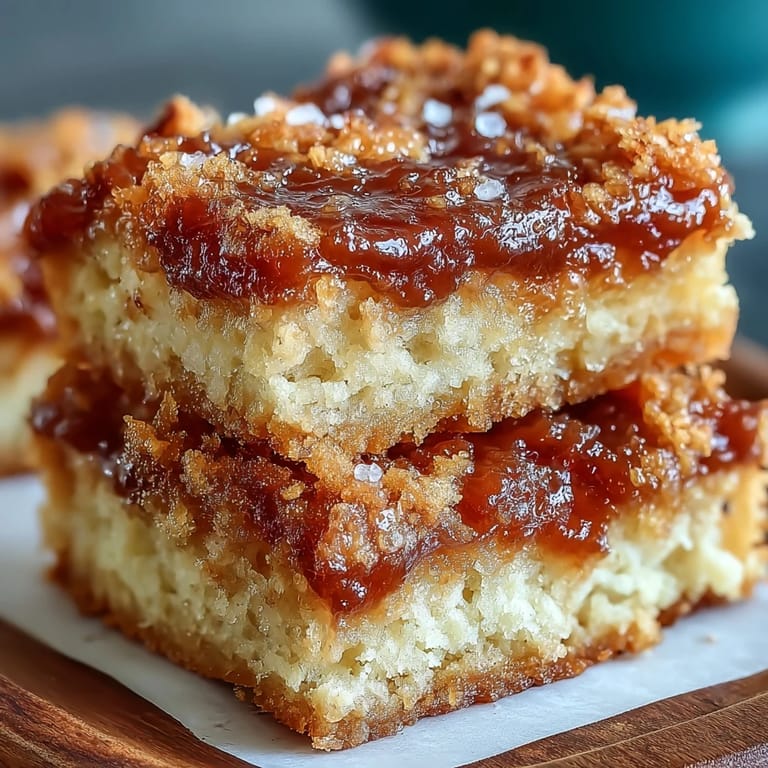
These bars stay fresh and tender at room temperature for a good three days if you keep them in an airtight container, and I've even frozen them successfully for up to a month. The texture holds up remarkably well when thawed, though I prefer eating them at room temperature where the guava filling stays soft and the cake has that tender crumb you're after.
- Keep them in an airtight container between layers of parchment paper so they don't stick together.
- If they somehow dry out slightly, a loose wrap in foil at room temperature for a few hours brings back a bit of moisture without making them soggy.
- Don't refrigerate them unless absolutely necessary, as cold temperatures make the cake stale faster than you'd expect.
 Save
Save These guava cake bars are the kind of recipe that gets better every time you make them, once you understand how the layers work together. They're humble enough for a weekday afternoon but impressive enough to bring to someone's dinner party.
Recipe Questions
- → What does guava paste taste like?
Guava paste has a sweet, tropical flavor with notes of strawberry and pear. It's thick, dense, and intensely fruity—perfect for balancing rich pastry dough.
- → Can I make these bars ahead of time?
Yes, these bars store beautifully at room temperature for up to 3 days in an airtight container. The flavors actually develop more depth after resting overnight.
- → Why is my dough difficult to spread over the guava?
Chill the dough briefly if it's too sticky. Dampen your fingers with water or use a spatula to gently press and spread the dough without pulling the guava layer.
- → Can I add cream cheese to the filling?
Absolutely. Layer thin strips of cream cheese alongside the guava paste for a tangy, creamy contrast that cuts through the sweetness and adds richness.
- → What's the best way to cut clean bars?
Let the bars cool completely before cutting. Use a sharp knife wiped clean between cuts, or chill briefly for cleaner slices. The parchment overhang helps lift them out neatly.
- → Can I freeze guava bars?
Yes, wrap individual bars tightly in plastic and freeze for up to 2 months. Thaw at room temperature for 1-2 hours before serving for best texture.