 Save
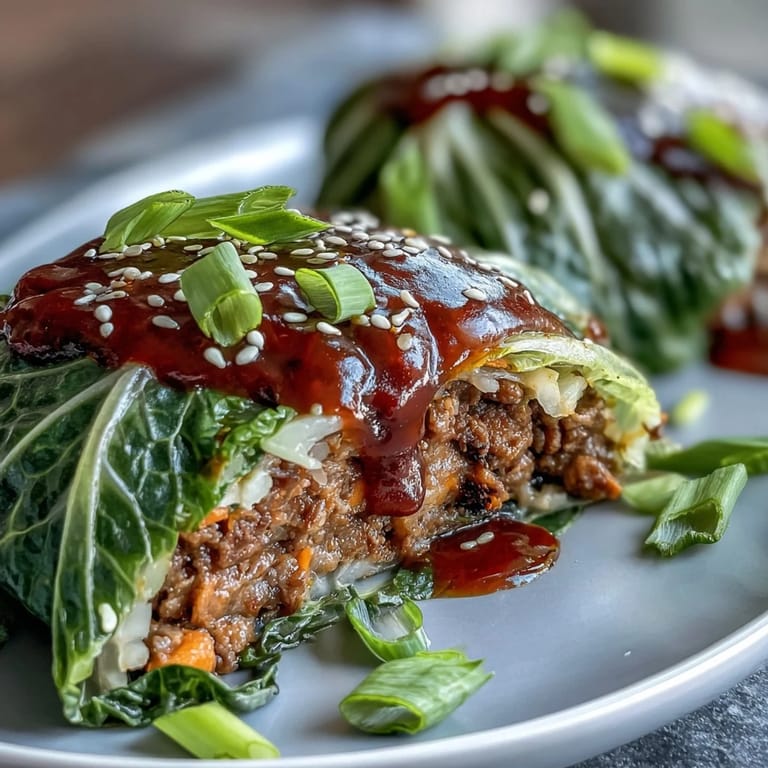
Save Steam curling up from a bamboo basket always fills the kitchen with a gentle hush, but the day I tried making Korean Cabbage Rolls for the first time, my apartment was anything but quiet—music was playing, and I kept sneaking bites of spicy filling as I went. The hearty aroma of sesame oil and gochujang mingled together, practically inviting taste-test snitches from down the hall. It wasn't about nostalgia or tradition; it was curiosity that got me wrapping those glossy cabbage leaves around a spicy-sweet beef mixture. By the time I took my first bite, balanced by that punchy dipping sauce, I understood exactly why this dish gets so many happy smiles at the table. That sense of reward from simple effort makes these rolls something I crave on an ordinary weeknight.
One evening, a friend showed up unannounced with kimchi in tow and a hunger for something savory, so I doubled the filling and we rolled cabbage together in the kitchen, music still playing. We joked about whose rolls looked most like dumplings and who could roll the tightest seam, but honestly, we were just racing so we could eat as soon as possible. There's something about sharing hands-on tasks like this that makes even regular dinner feel special. When we finally sat down to eat, the sound of chopsticks tapping and the drizzle of sauce over warm rolls made the whole apartment feel extra cozy.
Ingredients
- Napa cabbage: Big pliant leaves are key; blanch just until tender so they won't tear as you roll, and always dry them well to avoid soggy rolls.
- Ground beef: The juicy, savory base — feel free to swap with ground pork or turkey if you're feeling adventurous or must adapt.
- Green onions: Their sharp brightness balances out the rich filling perfectly; I chop more than I think I need because they mellow beautifully when steamed.
- Garlic and ginger: Minced for that unmistakable punch; always grate the ginger fresh for a little extra zing.
- Carrot: Adds subtle sweetness and a hint of crunch; don't skip it.
- Gochujang: The soul of the heat—this chili paste gives the rolls complex depth and just the right slow burn.
- Soy sauce and sesame oil: Umami and richness, they bring every element together in harmony; drizzle sparingly when assembling.
- Sugar and black pepper: Sugar tames the spice, and pepper sharpens everything up.
- Toasted sesame seeds: These give a nutty finish both inside and as garnish, soasting them briefly in a dry pan amps up the flavor.
- For the dipping sauce: Soy, rice vinegar, gochugaru, garlic, honey, sesame oil, and toasted sesame seeds create a bold blend; don't be tempted to skip the vinegar, as it wakes everything up.
Tired of Takeout? 🥡
Get 10 meals you can make faster than delivery arrives. Seriously.
One email. No spam. Unsubscribe anytime.
Instructions
- Prep the cabbage leaves:
- Bring a big pot of water to a boil and drop in the cabbage leaves until they relax and turn flexible, then give them a chilly rinse and pat until bone dry.
- Mix the filling:
- Tumble beef, green onions, garlic, carrot, ginger, gochujang, soy sauce, sesame oil, sugar, black pepper, and sesame seeds into a bowl, then use your hands—it's the only way—to squish, fold, and blend everything together.
- Fill and roll:
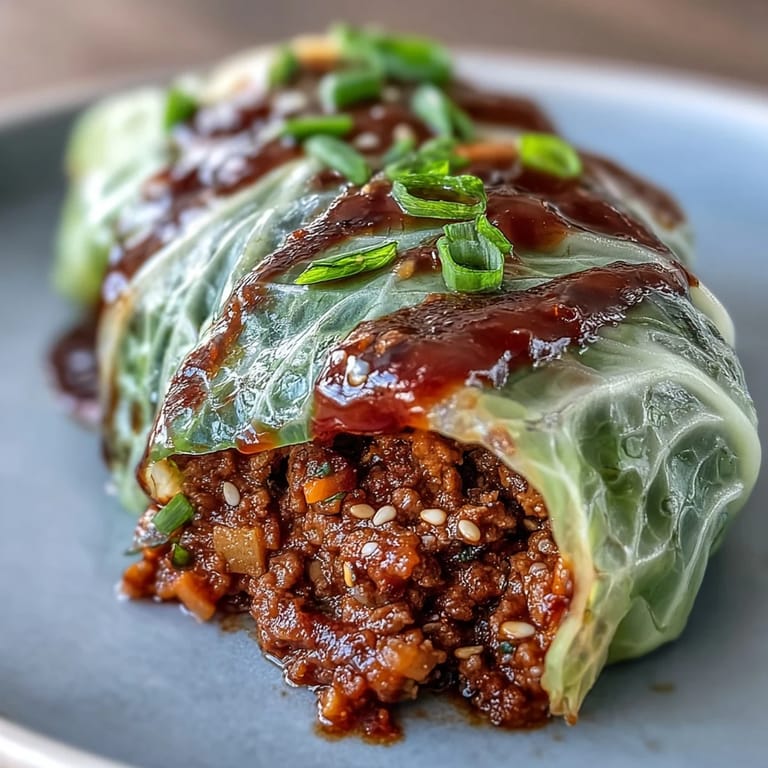
- Spread out a cabbage leaf, scoop on a hearty spoonful of filling toward the stem, tuck in the sides, and roll it almost like a burrito, keeping it snug; repeat until you're out of leaves or filling.
- Steam the rolls:
- Line up your rolls, seam-side down, in the steamer basket, cover, and let them steam over gentle simmering water until the beef is set and juices run clear, about 15–20 minutes.
- Make the sauce:
- While the rolls steam, whisk together soy sauce, vinegar, gochugaru, honey, garlic, sesame oil, and toasted sesame seeds in a small bowl until the honey dissolves.
- Serve:
- Once everything is hot and ready, heap the rolls on a platter and serve alongside that zingy sauce for dunking.
 Save
Save 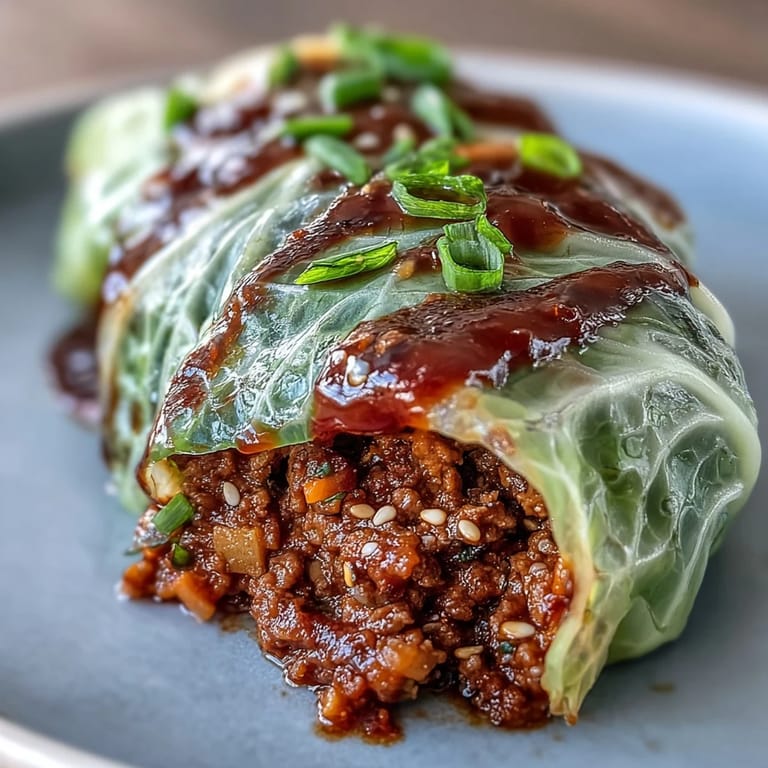 Save
Save It might sound funny, but the moment Korean Cabbage Rolls truly made me proud was when a notoriously picky eater paused mid-bite, sauce dribbling down their chin, and asked for seconds. Suddenly, kitchen mess and all, the fuss of rolling was more than worth it. We ended up sitting around, talking long after the plates were empty.
The Secret to Seamless Rolling
I learned pretty fast that the real trick is finding just the right amount of filling for each leaf—too little, and they're floppy; too much, and you risk splits. Sometimes the leaves vary in size, so I match big leaves with generous scoops and save smaller leaves for the last bits of filling. Keeping a slightly damp kitchen towel nearby helps keep leaves supple as you work, especially during winter when the air is dry.
How to Get the Most Flavor
Briefly dry-toasting the sesame seeds and splashing in just a touch more soy sauce into the filling made all the difference for me. Letting the mixed filling rest for a few minutes while you prep the steamer gives garlic and ginger time to mellow and mingle. And don't skip the dipping sauce—it brings the dish together in every bite.
Dishes and Cleanup That Keep You Sane
Between blanching the cabbage and preparing the filling, the tools can pile up. I keep a big mixing bowl handy for scraps and set a damp towel beneath my cutting board so nothing slides around. Washing the steamer right away prevents sticky residue from setting in and makes cleanup less of a headache.
- Stack your leaves between paper towels for quick pat-drying.
- Sneak a taste of filling before rolling to adjust seasoning to your liking.
- Don't forget to give your steamer basket a quick coat of oil to keep rolls from sticking.
 Save
Save 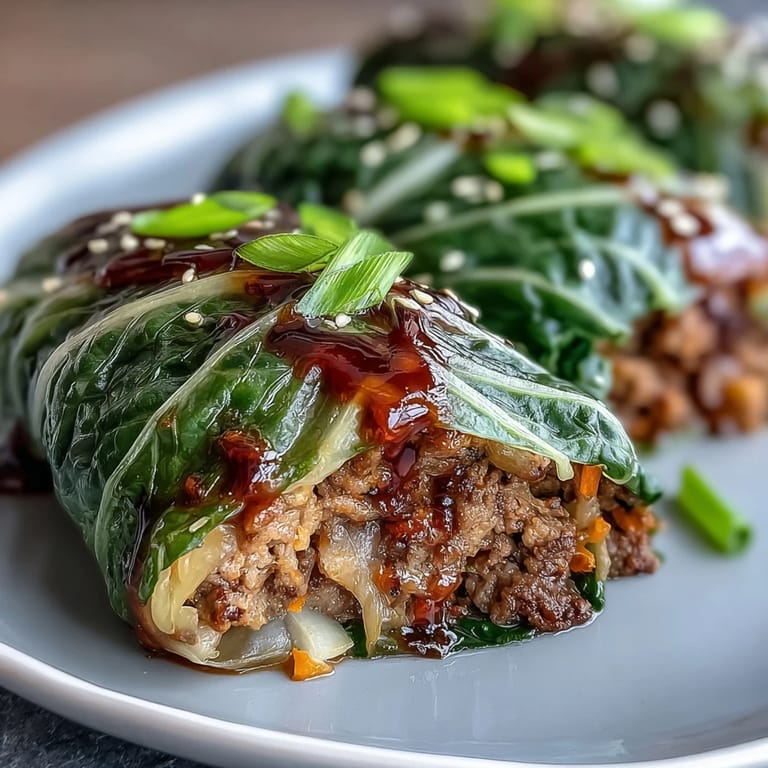 Save
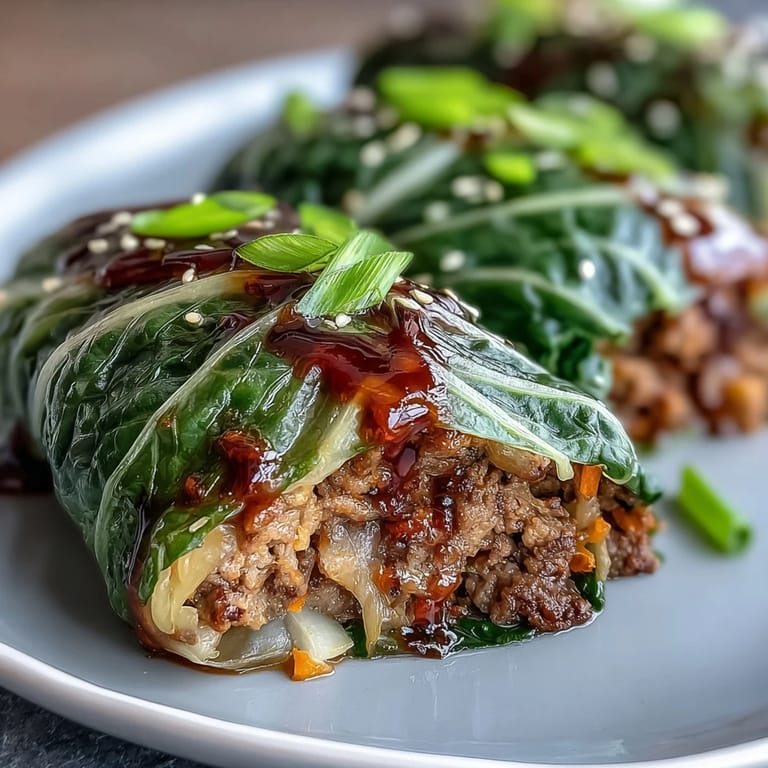
Save Once you steam these cabbage rolls, watch them disappear faster than you'd ever expect. Sharing a plate of them might just turn an ordinary meal into a memorable one.
Recipe Questions
- → How do I blanch the cabbage leaves without tearing them?
Bring a large pot of water to a rolling boil, separate leaves and blanch 1–2 minutes until pliable. Immediately cool under cold running water and pat dry to remove excess moisture before filling.
- → Can I substitute the ground beef with another protein?
Yes. Ground pork or turkey work well and adapt to the same seasoning. Adjust cooking time if pieces are larger, and taste the filling before rolling to balance salt and spice.
- → How can I make the rolls milder?
Reduce the gochujang and omit or cut back on gochugaru in the dipping sauce. You can also add a splash of soy and a touch of honey to tame heat while keeping depth of flavor.
- → What is the best way to steam the rolls evenly?
Arrange rolls seam-side down in a single layer in the steamer basket with a little space between them. Steam over simmering water for 15–20 minutes, checking that the beef reaches a safe temperature and is no longer pink.
- → How should I store and reheat leftovers?
Cool completely, store in an airtight container in the refrigerator for up to 3 days. Reheat gently by steaming until hot through or microwave covered with a damp paper towel to retain moisture.
- → Can these be prepared ahead or frozen?
You can assemble rolls and freeze them raw on a tray, then transfer to a bag; steam from frozen adding extra cooking time. Alternatively, steam, cool, and freeze cooked rolls; reheat by steaming or gentle oven warming.
- → What are good accompaniments to serve with the rolls?
Steamed rice, quick kimchi, or a simple cucumber salad complement the savory rolls. Garnish with extra toasted sesame seeds and thinly sliced scallions for freshness and crunch.