 Save
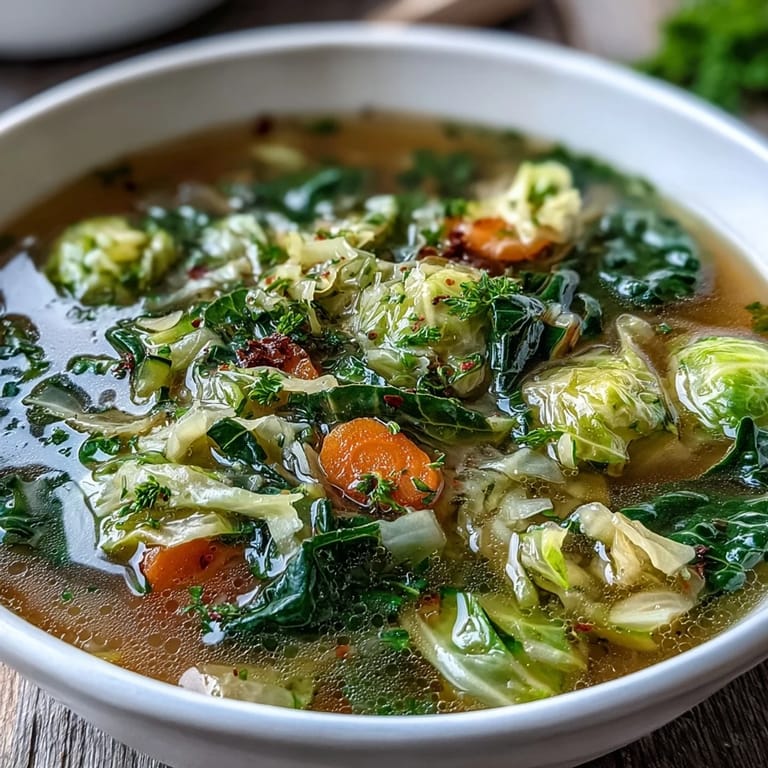
Save The first time I made this Spring Detox Cabbage Soup, I didn’t set out to “cleanse” anything—I just wanted to use up the wild rampage of vegetables overtaking my fridge after a particularly optimistic farmers market haul. Chopping cabbage filled the kitchen with that fresh, peppery scent that signals something wholesome is about to happen. Ginger and lemon sparked up the air, and a cloud of turmeric dusted the countertop before I stirred it in. For a moment, I forgot the gray drizzle outside and felt spring humming in every ingredient. By the time the soup was ready, it was as if the whole space had been scrubbed clean from the inside out.
I served a pot of this to friends on a late April evening when we all craved something light but filling after a weekend of picnic excess. Steam curled from our bowls as we compared which leftovers we’d smuggled back from family gatherings, making each other laugh. Nobody expected a humble cabbage soup to steal the spotlight, but after the first spoonfuls, the room went quiet except for the sound of contented slurping and clinking spoons. Someone asked for the recipe on the spot, jotting it down on a napkin with her soup spoon resting nearby. It’s become our unofficial spring tradition ever since.
Ingredients
- Green cabbage: Shred it thin for the ideal balance of bite and tenderness—I find the freshest heads are heavy for their size and squeak slightly when cut.
- Carrots: Their natural sweetness tempers the sharpness of cabbage; slice on a diagonal to make the soup look extra inviting.
- Onion: Choose yellow or white—always let it sweat for flavor depth before piling in the rest.
- Celery: Adds a subtle grassy note and a bit of crunch—don’t throw away the leaves, they’re delicious chopped in at the end.
- Garlic: Minced fine and added with ginger, it perfumes the whole pot; fresh is best, but jarred works in a pinch.
- Zucchini: Diced small, it almost melts into the broth and amps up the green goodness.
- Fresh ginger: Grate it straight into the pot—its aroma is reason alone to make this soup.
- Ground turmeric: Don’t skip it; the color and earthy flavor are hallmarks of this bowl.
- Black pepper: Go for coarsely ground if you want a gentle tingle in the finished soup.
- Sea salt: Start light, taste as you go, and adjust—it sharpens all the flavors together.
- Vegetable broth: Use a good-tasting broth, since it forms the foundation of the soup—I learned the hard way that bland stock equals bland soup.
- Lemon juice: Squeeze at the end for a bright, clean finish; bottled juice just doesn’t have the same effect.
- Fresh parsley or dill: Chopped herbs stirred in at the end bring everything to life—always save a little extra for garnish.
- Olive oil (optional): A touch of oil for sautéing helps bloom the spices and makes the soup just a bit more satisfying.
Tired of Takeout? 🥡
Get 10 meals you can make faster than delivery arrives. Seriously.
One email. No spam. Unsubscribe anytime.
Instructions
- Sweat Your Base:
- In your biggest soup pot, heat olive oil over medium—let it shimmer before adding onion, celery, and carrot. Stir occasionally for about 5 minutes until their edges soften and kitchen smells inviting.
- Aromatics Go In:
- Add garlic, ginger, and turmeric, stirring for a full minute as the spices wake up and everything turns golden and fragrant.
- Get Vegetables Cozy:
- Drop in the shredded cabbage and diced zucchini, then toss to coat with the aromatic base—sauté for 2 to 3 minutes until just beginning to wilt.
- Add Broth & Simmer:
- Pour in vegetable broth along with salt and black pepper, then turn up the heat to bring everything to a lively bubble. Once boiling, reduce the heat and gently simmer uncovered for 20–25 minutes, until vegetables yield easily to a spoon.
- Finish Bright:
- Stir in lemon juice and fresh herbs right before serving; taste and tweak salt or lemon as needed for vivid, fresh flavor.
- Serve It Up:
- Ladle hot soup into bowls and scatter with extra herbs or lemon wedges—the color will lift your spirits, even on a gray day.
 Save
Save  Save
Save One rainy afternoon, as the soup bubbled away, my neighbor popped by and I impulsively handed her a bowl through the screen door. She later told me she ate it standing up at her kitchen counter, feeling lighter and oddly optimistic after every spoonful—the kind of unexpected connection that makes me love cooking all over again.
How to Change It Up for Any Mood
Every batch takes on a new personality: sometimes I swap in basil or cilantro for an herby twist, or stir in a can of chickpeas if I’m craving more protein. The base is neutral enough to pair with nearly any bright spring veggie, so don’t hesitate to experiment. If I have a bit of red cabbage or some spinach, in they go. A pinch of chili flakes can take it from soothing to gently fiery in a single shake.
Serving and Pairing Ideas
I love serving this soup alongside a chunky slice of toasted whole grain bread smeared with smashed avocado and a sprinkle of salt. For something more substantial, a scoop of fluffy quinoa or brown rice pairs beautifully with the lemony broth. One time, I even set out a tiny dish of black olives and it was, surprisingly, a hit with everyone. Let the soup cool slightly before adding a dollop of coconut yogurt for a creamy swirl, or top with crunchy seeds for an added bite.
Keeping it Simple Every Time
If you’re pressed for time, don’t worry about perfect knife work—rustic chunks have their own charm, and the flavor never suffers. Sometimes I skip the oil and start with hot broth to keep things extra light. The key is not to overthink—a little imperfection adds character, and the soup truly welcomes whatever attitude you bring to the pot.
- Chop ahead and store prepped veggies in the fridge for days when you’re busy.
- Use up any greens by tossing them in for the last five minutes.
- Remember: always adjust salt and lemon at the end to find your perfect balance.
 Save
Save 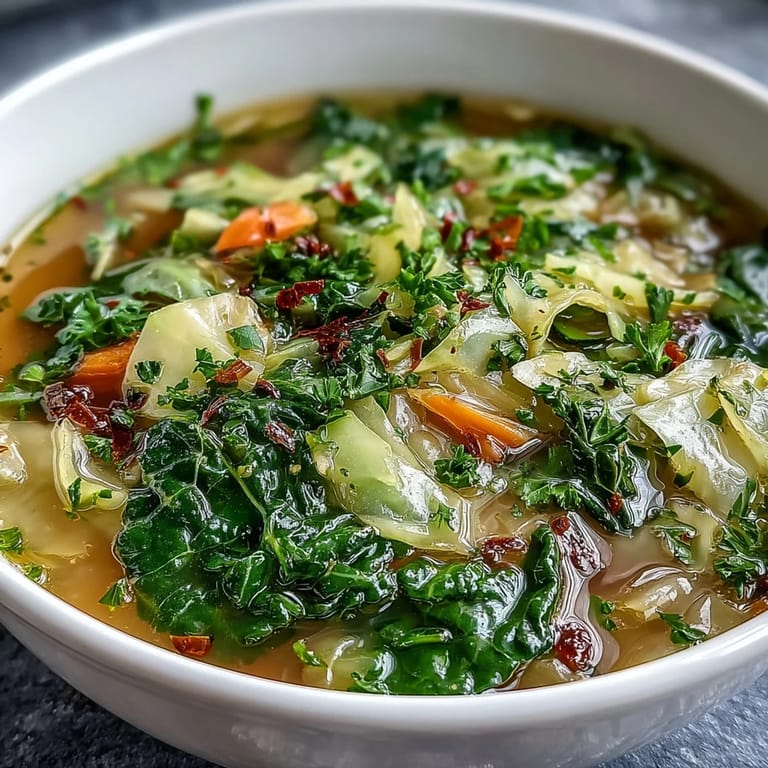 Save
Save Whenever I spoon up this soup, I’m grateful for what simple vegetables and fresh lemon can do—sometimes, a pot like this is all the fresh start you need. Here’s to many more joyful, veggie-filled bowls in your kitchen.
Recipe Questions
- → Can I make this oil-free?
Yes. Use a splash of vegetable broth to sauté the onion, celery and carrots instead of oil, or start by simmering all vegetables directly in the broth and increase heat briefly to soften aromatics.
- → How should I store and reheat leftovers?
Cool quickly and refrigerate in an airtight container for up to 4 days. Reheat gently on the stovetop over low heat, adding a splash of broth if it has thickened. Freeze in portions for up to 3 months and thaw overnight in the fridge before reheating.
- → What are good substitutions for cabbage?
Swap green cabbage for savoy or napa cabbage for a milder texture. You can also stir in chopped kale or Swiss chard near the end of cooking—add them in the last 5 minutes so they stay tender.
- → How can I add protein?
Stir in cooked chickpeas or white beans just before serving, or add cubed firm tofu. Brown lentils work too but should be added earlier and cooked until tender so they don’t remain firm.
- → How do I balance the seasoning?
Start with the suggested salt and pepper, then taste after simmering. Lemon juice brightens the broth—add gradually to avoid over-acidifying. A pinch of chili flakes adds warmth if desired.
- → Is this good for meal prep?
Yes. Flavors deepen after a day, making it an excellent make-ahead option. Store in shallow containers for quick cooling and portion for easy reheating with a side of whole grain bread or quinoa.