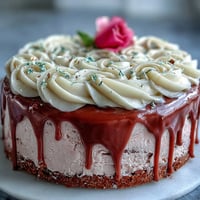
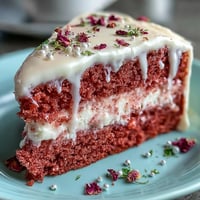
 Save
Save Last spring, the scent of brown sugar and melting butter filled my kitchen as I set out to craft a Taurus-inspired layer cake for my friend’s zodiac party. I was drawn to the idea of merging earthy, natural ingredients with a little floral flair, looking for something grounding yet beautiful. The swirling buttercream colors reminded me of quiet forest walks—the kind where wildflowers peek through mossy undergrowth and everything feels calm. As the cake baked, the deep butterscotch aroma mingled with floral notes from rose water and ground lavender, making even a gray day feel festive. Sometimes, I think desserts can anchor us just as much as they delight us.
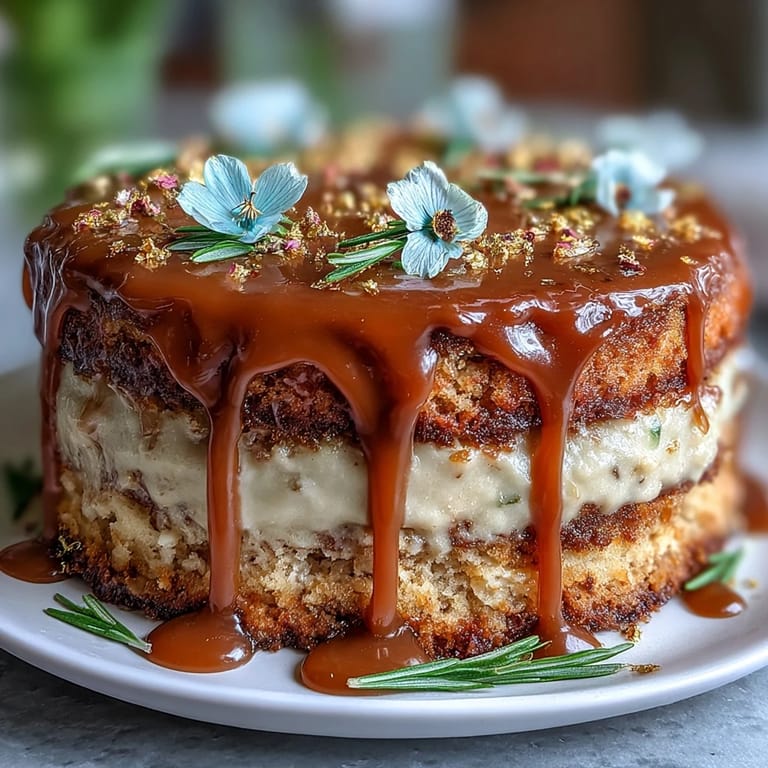
Once, I baked this cake for a friend whose Taurus birthday always fell just after the last frost. We joked that if anything could make spring come faster, it was a table covered in edible flowers and this layered centerpiece as the main attraction. Watching people’s faces light up as they spotted pansies and delicate gold flecks on the cake was the most rewarding part. Sharing a slice over tea made the whole experience cozy and celebratory, no matter the chill outside. Even the crumbs had a way of vanishing before the night ended.
Ingredients
- All-purpose flour: For sturdy, tender cake layers—be sure to measure carefully and whisk for lightness.
- Packed brown sugar: This gives the sponge its deep caramel flavor; dark brown sugar will give an even richer taste.
- Unsalted butter: Essential in both the cake and the frosting; let it come to true room temperature for easy creaming.
- Eggs: Room temperature eggs help everything mix smoothly and give the cake great structure.
- Sour cream or yogurt: Adds moisture and a gentle tang that makes the cake irresistible.
- Butterscotch Sauce: Homemade is worth it—let it cool before you fold it into the batter to avoid melting your butter.
- Powdered sugar: Sift it for extra-silky buttercream and to avoid lumps.
- Rose water and dried lavender: Bring a subtle floral note—don’t overdo it, or the flavor will overpower the earthy cake!
- Natural colorants (matcha, beet powder, cocoa, turmeric, spirulina): These earth-derived powders give both hue and subtle taste; a little goes a long way.
- Edible flowers & fresh herbs: Finish the cake in true Taurus style—always verify that your blooms are food-safe (and keep extra for last-minute decorating inspiration).
Tired of Takeout? 🥡
Get 10 meals you can make faster than delivery arrives. Seriously.
One email. No spam. Unsubscribe anytime.
Instructions
- Get Your Pans Ready:
- Preheat your oven to 350°F and line three 8-inch pans with parchment—this makes turning out those soft sponges a breeze.
- Make the Butterscotch Sauce:
- Melt butter and brown sugar in a saucepan, and as it bubbles, the smell is half the reward—add cream, simmer until thick, then finish with a touch of vanilla and salt. Let it cool so you don’t melt anything when you mix it in later.
- Mix the Dry Ingredients:
- Whisk together flour, baking powder, baking soda, and salt so everything is combined and the cake rises evenly.
- Create the Batter:
- Cream butter and brown sugar until fluffy, then mix in the eggs one at a time and add vanilla. Alternate adding your dry mix and milk, keeping the batter just mixed for the softest crumb.
- Fill and Bake:
- Divide between the pans and smooth the tops. Bake for 28–35 minutes—watch for golden tops and the unmistakable smell of butterscotch wafting through your kitchen.
- Cool Completely:
- Let the cakes rest in their pans for 10 minutes, then turn them out onto racks; don’t rush this part so your layers stay tender.
- Make Floral Buttercream:
- Beat butter until it’s pale and cloud-like, then slowly add powdered sugar, milk, rose water, and ground lavender if you’re feeling adventurous. Divide and color the buttercream with natural powders for earthy colors—swirl gently for a marbled look.
- Assemble:
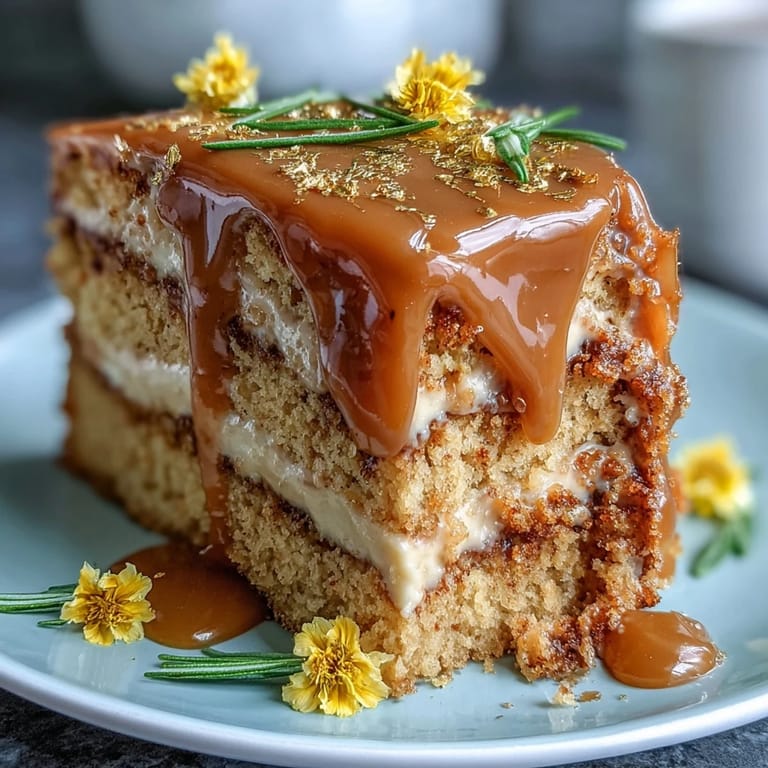
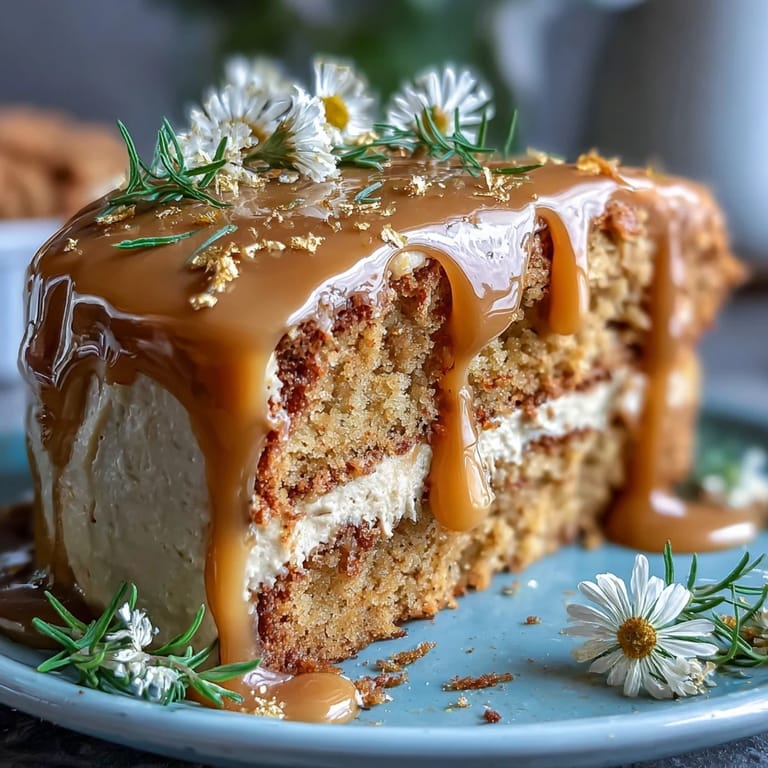
- Layer cakes with buttercream in between, then coat the outside. Chill your creation to set the swirls and savor the earth-toned effect.
- Decorate:
- Scatter edible flowers, sprigs of herbs, and a little gold leaf if you’re feeling fancy—don’t be afraid to follow your own sense of balance and style here.
 Save
Save 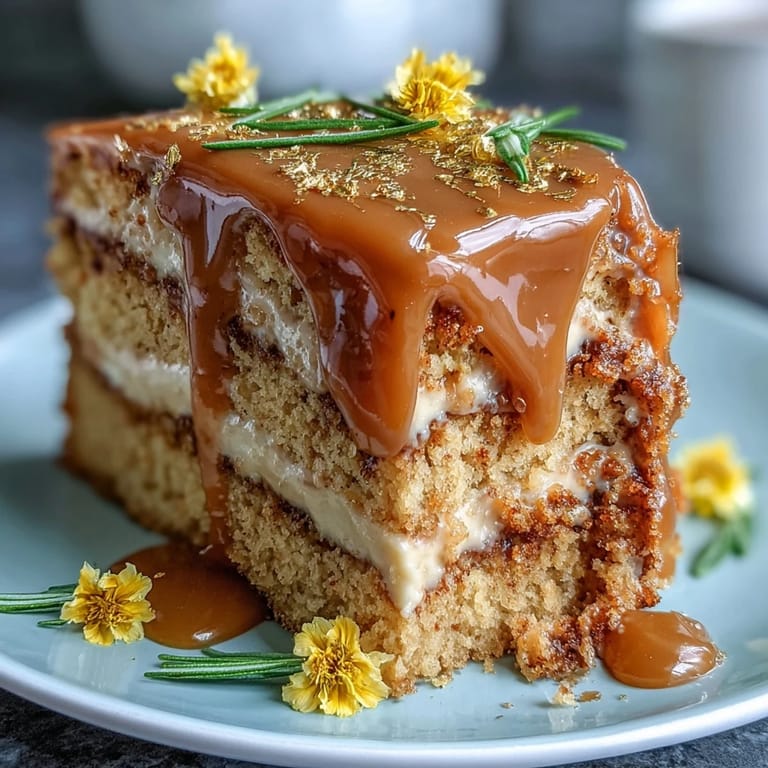 Save
Save At the table, one quiet, shared look over a slice of this cake was enough to say, We did it. I realized desserts can connect people not just through sweetness, but through artistry and the patient, aromatic ritual of baking together.
Choosing Natural Hues For Decorating
Experimenting with natural colorants always feels like a creative adventure—just a pinch of matcha or cocoa can transform your buttercream in dramatic ways. Start slow and build the color up, swirling gently to keep the marbled look soft and earthy. For unexpected drama, I once dotted beet powder buttercream between layers and loved how each slice revealed pink streaks. Let the seasons inspire your color palette and don’t be afraid to combine different powders for a custom shade. You’ll be surprised how forgiving and fun the process can be.
Edible Flowers And Herbs: Sourcing And Safety
The joy of decorating with flowers and herbs is choosing shapes and scents that complement your cake, but sourcing them carefully is essential. Only use flowers labeled edible, and avoid anything that’s been treated with chemicals—even a local farmer’s market is worth checking out. A friend once gifted me fresh marigolds that became the crowning touch for one Taurus cake, though rosemary sprigs are my backup for a fragrant finish. Always wash and thoroughly dry your garnishes, snipping stems just before serving. A sprinkle of gold leaf on top makes it feel especially celebratory.
How To Keep Cake Moist And Flavors Balanced
For cakes that stay tender for days, be generous with sour cream or yogurt—the result speaks for itself in every forkful. Store leftovers covered at room temperature, unless you’ve used fresh flowers, which like the fridge. If you want brighter floral flavor, let the finished cake rest for an hour before serving, allowing all the notes to mingle. Gentle heat when whipping your butter helps buttercream go ultra-smooth but keep it just below melting.
- If your butter splits, just keep whipping—it might come back together.
- Run a hot knife along the cake for picture-perfect slices.
- Don’t overcrowd the top with flowers; a less-is-more approach keeps it elegant.
 Save
Save  Save
Save Serve this Taurus Cake when you want your table to feel as warm and grounded as the earth itself. Every detail—from swirling buttercream to the gentle crunch of gold leaf—makes it a memory worth sharing.
Recipe Questions
- → How do I prevent a dense or soggy crumb when adding butterscotch sauce?
Cool the butterscotch completely before folding it into batter, and alternate wet and dry additions to maintain structure. Mix until just combined to avoid overworking gluten, and bake until a toothpick comes out clean.
- → Which natural colorants give stable earth tones in buttercream?
Use concentrated powders sparingly: matcha for muted green, beet powder for rosy pinks, cocoa for brown, turmeric for warm yellow, and spirulina for deep greens. Add little by little and chill the buttercream if it softens while tinting.
- → What can I substitute for rose water if I don't have it?
Swap rose water for orange blossom water for a citrus-floral note, or use pure vanilla extract for a subtler, complementary aroma. Start with small amounts and adjust to taste.
- → How should I assemble tall layers to keep the cake stable?
Level each layer, apply a thin crumb coat, chill to set, then add the final coat and decorative swirls. Chill between stacking steps and use an offset spatula and a turntable for even layers; for very tall builds, support with dowels or a cake board between tiers.
- → Are edible flowers safe to use and how should I prepare them?
Choose pesticide-free, culinary-grade flowers (pansies, violets, roses). Rinse gently, pat dry, remove any non-edible parts, and place flowers on the cake shortly before serving. If in doubt, omit flowers or use herbs instead.
- → What is the best way to store and serve the cake?
Keep the cake covered at room temperature for up to three days; refrigerate if using delicate fresh flowers or in warm climates. Bring to room temperature before serving for the best texture and flavor.