 Save
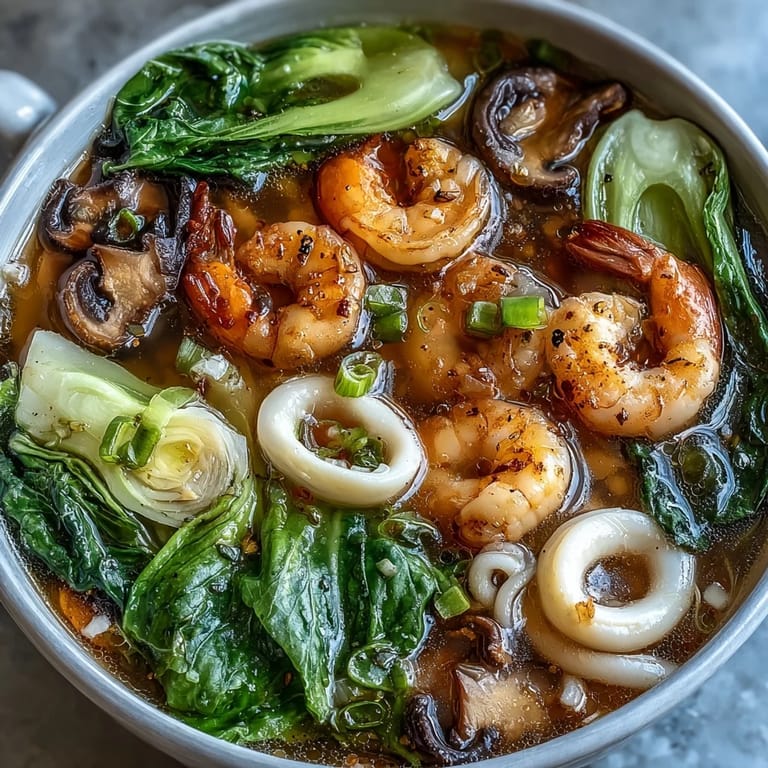
Save My friend Sarah called me in a panic one winter evening, insisting we needed to do something fun and different for dinner. We landed on hot pot almost by accident, and what started as casual experimentation became our ritual. There's something magical about watching a pot of fragrant broth come alive at the table, each person fishing out exactly what they want, building their own perfect bowl. It felt less like cooking and more like choreography, everyone moving in sync with the steam rising between us.
The first time I made this for my family, my dad actually put down his phone, which never happens. He kept saying the broth tasted like a restaurant, and I didn't have the heart to tell him it was mostly just ginger and patience. My mom built a tower of seafood in her bowl like she was playing a game, and my sister discovered she actually likes mushrooms when they're cooked this way. That meal turned into a three-hour conversation, which is its own kind of victory.
Ingredients
- Low-sodium chicken or seafood stock (8 cups): This is your foundation, so don't skip quality here; it should taste clean and slightly sweet on its own, not salty or overpowering.
- Fresh ginger (3 slices): Crush these gently with the side of your knife before adding so the flavor bleeds into the broth without shredding into bits everyone will fish out.
- Garlic (3 cloves, smashed): Smashing releases those volatile oils that make the whole pot smell like you know what you're doing.
- Lemongrass (2 stalks): Bruise these by whacking them with the flat of your knife; the fragrance that releases is your signal you're on the right track.
- Soy sauce (2 tablespoons): Use low-sodium soy to maintain control over saltiness, and add it slowly so you can taste as you go.
- Fish sauce (1 tablespoon): Yes, it smells funky in the bottle, but trust it; it adds a savory depth that makes people ask what's in there.
- Rice vinegar (1 tablespoon): This tiny bit of acid brightens everything and keeps the broth from tasting flat and one-dimensional.
- Fresh red chilies (1–2, sliced): Leave the seeds in if you want real heat, or fish them out after simmering if you prefer just background warmth.
- Raw shrimp (8 large): Buy them frozen and thaw in cold water if fresh aren't available; they cook in two minutes, so watch closely or they turn rubbery.
- White fish fillet (200 g): Cod or snapper both work beautifully and hold together without falling apart in the broth; cut them when you're ready to serve so they don't dry out sitting around.
- Mussels or clams (8): Scrub these under cold water and discard any that won't close when tapped; they're done the moment they open, so fish them out immediately.
- Squid rings (150 g): These are the wild card that surprises people; they curl up and become chewy in the best way when they hit hot broth.
- Napa cabbage (1 cup, chopped): The sweetness comes through when it cooks gently, and it absorbs broth flavor beautifully.
- Baby bok choy (1 cup, halved): These stay tender-crisp if you don't overdo it, which is the whole point of hot pot cooking.
- Shiitake mushrooms (1 cup, sliced): Their earthy flavor adds weight to the broth and makes it taste less like just seafood.
- Enoki mushrooms (1 cup, trimmed): Leave these mostly whole; they're delicate and cook almost instantly, creating little pockets of umami in each spoonful.
- Carrot (1 medium, thinly sliced): Thin slices cook through in three minutes and sweeten the broth subtly as they soften.
- Zucchini (1 small, sliced): This is your neutral player that cooks quickly and balances the heavier seafood and broth.
- Firm tofu (1 cup, cubed): Press it gently with paper towels before cutting so it doesn't absorb water; it becomes almost sweet when it simmers in broth.
- Glass noodles or rice vermicelli (200 g, pre-soaked): Soak them in room temperature water for at least fifteen minutes so they're pliable but still have some bite left.
- Spring onions and fresh cilantro: These go on last and turn everything bright; don't skip them even if you think they're garnish, because they really aren't.
- Lime wedges: A squeeze of lime at the end wakes up the whole bowl and makes people lean in closer.
Tired of Takeout? 🥡
Get 10 meals you can make faster than delivery arrives. Seriously.
One email. No spam. Unsubscribe anytime.
Instructions
- Build Your Fragrant Broth Foundation:
- Combine your stock with ginger, garlic, lemongrass, soy sauce, fish sauce, rice vinegar, and chilies in a large pot and bring it to a boil. Watch for the moment the surface starts to shimmer and steam rises, then lower the heat and let it simmer gently for exactly twenty minutes, which is long enough for the flavors to marry without cooking away.
- Strain and Refine:
- Pour the broth through a fine-mesh strainer, pressing gently on the solids to extract every drop of flavor, then return the clear, aromatic liquid to your pot. This step separates a good hot pot from a mediocre one because you want pure broth, not bits floating around.
- Arrange Your Mise en Place:
- Place your seafood, vegetables, tofu, and pre-soaked noodles on separate platters or a tiered tray so everything looks intentional and guests can see what they're choosing from. This is where the meal shifts from cooking to theater.
- Set Up the Table Stage:
- Position your portable burner or induction cooktop at the center of the table with the pot of broth simmering gently, and surround it with platters of ingredients and empty bowls. Dim the lights slightly if you want to get fancy; the steam rising from the pot becomes part of the ambiance.
- Invite Everyone to Cook Together:
- Let each person add their chosen ingredients directly to the simmering broth, timing them so seafood and tender vegetables go in last and cook for two to three minutes until just opaque and tender-crisp. You'll hear the sizzle and pop of ingredients hitting hot liquid, and that sound means it's working.
- Serve and Celebrate:
- Transfer the cooked ingredients and broth to individual bowls, then crown each one with spring onions, cilantro, and a generous squeeze of lime. Watch everyone's face as they taste it and realize they just made something really good.
 Save
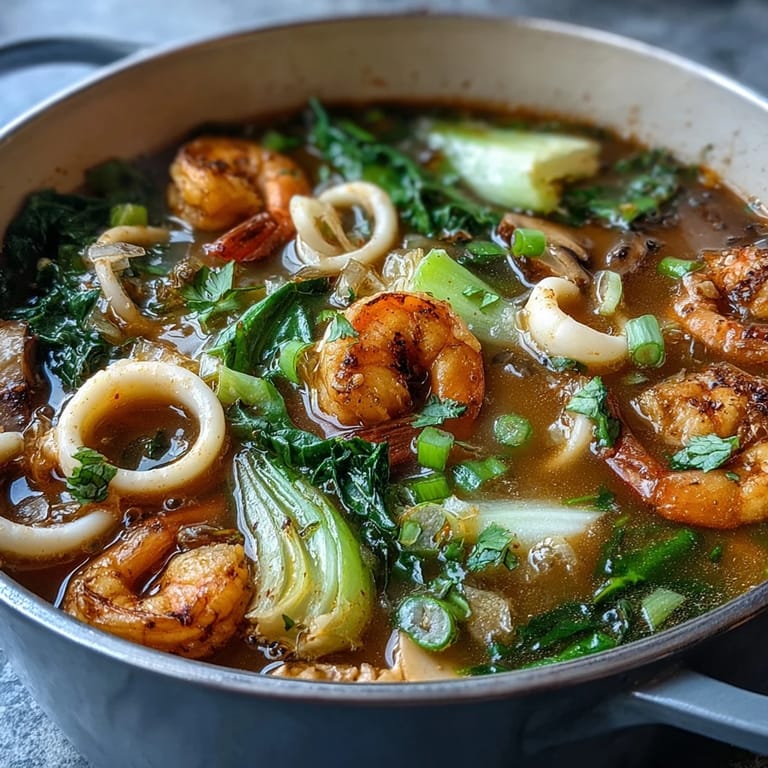
Save There was a moment when my friend Marcus, who usually orders pizza, asked if we could make this again next month, and he said it with the kind of certainty that meant something had shifted. Hot pot became our thing after that, the meal we made when we wanted to be together without the pressure of forced conversation. The food took care of itself while we just existed in the warmth and steam, hands moving, bowls filling, everyone choosing exactly what they wanted.
The Art of Timing at the Table
Hot pot is really about understanding that different ingredients need different amounts of time in the broth, and once you feel this rhythm, you stop overthinking and just cook by instinct. Seafood is your final act because it cooks so fast, while mushrooms and tofu can handle a longer simmer without falling apart. The noodles should go in early or late depending on whether you want them to absorb broth flavor or stay slightly firmer; there's no wrong choice, just different textures you're after.
Creating an Ingredient Layout That Actually Works
Arrange your platters so the most fragile items are closest to whoever will be cooking first, and heavier, sturdier vegetables can sit slightly back. This sounds silly until you're midway through dinner and someone reaches across three bowls to grab mushrooms that fell off the edge. Temperature matters too; if your seafood has been sitting at room temperature for too long, the outside cooks before the inside catches up, so keep it cool and only pull what you'll cook in the next five minutes.
The Secret Finishing Touches
The lime and cilantro aren't optional extras; they're the difference between something that tastes good and something that tastes alive and bright. A squeeze of lime cuts through the richness of the broth and makes your mouth want more, while cilantro adds a fresh note that makes people pause and actually taste what they're eating instead of just consuming automatically. Fresh spring onions scattered on top add a gentle sharpness that plays beautifully against the sweet seafood.
- Keep your cilantro and spring onions stored in a damp paper towel in the fridge until the last possible second so they stay crisp and fragrant.
- If anyone at your table is allergic to cilantro or hates it, have a backup like fresh dill or Thai basil ready so they don't feel excluded from the finishing moment.
- Squeeze the lime wedges directly over the bowl just before eating so the juice mingles with the hot broth and creates flavor in real time.
 Save
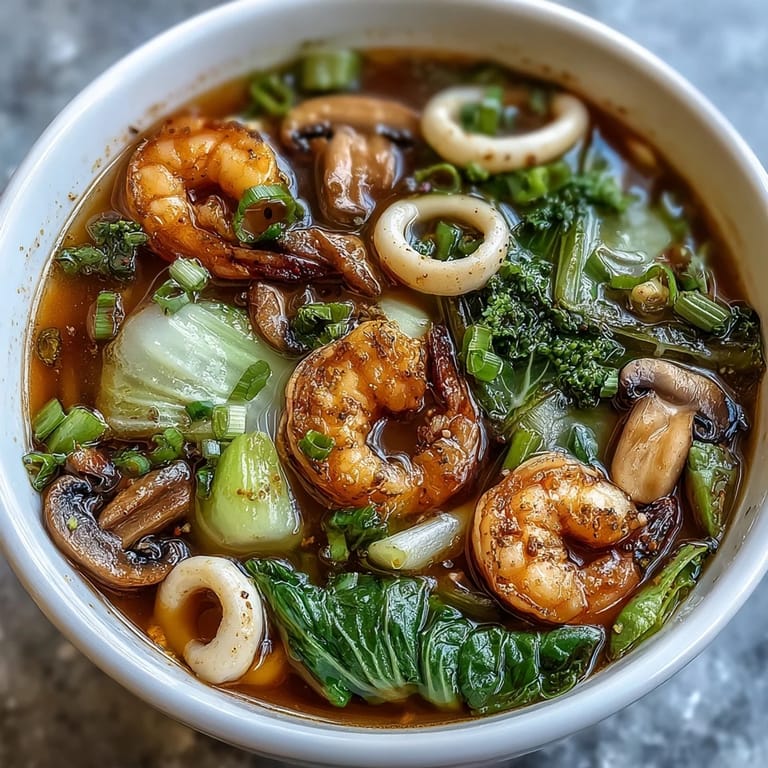
Save This meal has taught me that food doesn't have to be complicated to be meaningful; sometimes the best moments happen when you slow down enough to notice them. Every time someone gathers around that pot with you, something shifts, and that's worth remembering.
Recipe Questions
- → What seafood works best for this dish?
Fresh shrimp, white fish, mussels or clams, and squid are ideal, but scallops or crab can be excellent alternatives.
- → How is the broth prepared?
The broth is simmered with chicken or seafood stock, ginger, garlic, lemongrass, soy and fish sauces, rice vinegar, and optional chilies to develop deep, aromatic flavors.
- → Can the broth be made spicier?
Yes, adding more sliced red chilies or a spoonful of chili paste will increase the heat to your preference.
- → What vegetables are commonly used?
Napa cabbage, baby bok choy, shiitake and enoki mushrooms, carrots, zucchini, and firm tofu bring texture and balance to the dish.
- → How is this meal typically served?
Ingredients are cooked at the table in the simmering broth, then enjoyed with garnishes like spring onions, cilantro, and lime wedges.
- → Are there allergen considerations?
This dish contains shellfish, fish, and soy; use gluten-free soy sauce and noodles if gluten sensitivity is a concern.