 Save
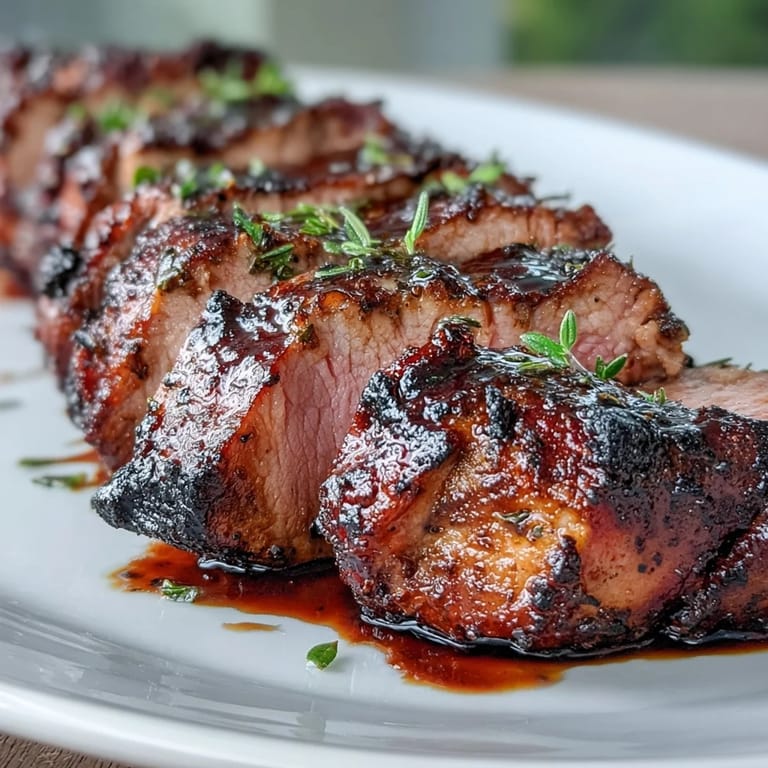
Save My neighbor Marcus brought this jerk pork tenderloin to a backyard gathering last summer, and I watched people stop mid-conversation to ask for the recipe. The aroma alone had everyone hovering near the grill, that intoxicating blend of allspice, ginger, and lime hitting you in waves. I finally asked him to walk me through it, scribbling notes while he explained how the Scotch bonnet pepper transforms simple ingredients into something that tastes like you've traveled somewhere. What struck me most wasn't just how good it was—it was how achievable it turned out to be.
I made this for my sister's birthday dinner on a Wednesday evening, and honestly, the apartment smelled so incredible that my roommate kept wandering in asking what was happening. By the time the tenderloin came out of the oven with those gorgeous caramelized edges, I understood why Marcus's neighbors kept showing up at his place unannounced. It became this moment where everyone at the table just got quiet for a second, the way they do when something tastes genuinely surprising and delicious.
Ingredients
- Pork tenderloin (1½ lbs, trimmed): This cut is naturally lean and cooks quickly, so you get that restaurant-quality result at home—just make sure you don't skip the resting step or it'll dry out.
- Olive oil (2 tablespoons): This carries all your spice flavors and helps create that caramelized exterior when roasting.
- Soy sauce (3 tablespoons): The umami backbone that makes the jerk spices pop; grab gluten-free tamari if you need to skip the gluten.
- Fresh lime juice (2 tablespoons): This brightens everything and prevents the dish from tasting heavy, even with all the warm spices.
- Brown sugar (2 tablespoons): It balances the heat and creates that caramelized, slightly sticky coating on the outside.
- Green onions (3, chopped): They add a fresh bite that cuts through the richness of the pork.
- Garlic (2 cloves, minced): Essential for depth; don't skip it or use powder, the fresh stuff matters here.
- Fresh ginger (1 tablespoon, grated): This gives that warming, slightly spicy note that feels so island-inspired.
- Scotch bonnet pepper (1, seeded and finely chopped): The heat here is real, so wear gloves and taste as you go; you can always add more but you can't take it back.
- Ground allspice (1 teaspoon): This is the spice that makes jerk taste like jerk—don't substitute or skip it.
- Dried thyme (1 teaspoon): Caribbean kitchens lean on thyme, and it adds an herbal earthiness.
- Ground cinnamon (1 teaspoon): This might sound weird, but it's what gives jerk that warm, almost sweet undertone.
- Ground nutmeg (½ teaspoon): Just enough to whisper in the background without announcing itself.
- Kosher salt (1 teaspoon): Salt amplifies everything else, so measure carefully.
- Black pepper (½ teaspoon): A simple finish that ties the warm spices together.
Tired of Takeout? 🥡
Get 10 meals you can make faster than delivery arrives. Seriously.
One email. No spam. Unsubscribe anytime.
Instructions
- Blend your jerk paste:
- Combine the olive oil, soy sauce, lime juice, brown sugar, green onions, garlic, ginger, Scotch bonnet, allspice, thyme, cinnamon, nutmeg, salt, and pepper in a blender or food processor. Pulse until it becomes a smooth paste—you want it textured enough to coat the meat but smooth enough to penetrate it. The smell at this point is a hint of what's coming.
- Coat the pork thoroughly:
- Pat your pork tenderloin completely dry—moisture is the enemy of browning. Place it in a resealable bag or shallow dish, pour that gorgeous jerk paste all over it, and turn it to coat every surface. Get the marinade into every crevice.
- Let time do the work:
- Refrigerate for at least 2 hours, though overnight is ideal if you have the time. This isn't just about flavor; it's about giving the spices time to break down the meat's fibers slightly, making it more tender.
- Get your oven ready:
- Preheat to 425°F and line your baking sheet with foil or parchment—this makes cleanup easier and prevents sticking. You want everything ready before the pork comes out of the fridge so you're not scrambling.
- Roast with attention:
- Remove the pork from the marinade, letting excess paste drip back into the container, then place it on your prepared sheet. Roast for 20–25 minutes, turning halfway through, until an instant-read thermometer reads 145°F at the thickest part. The outside should be beautifully caramelized while the interior stays juicy.
- Rest before slicing:
- Transfer the pork to a cutting board and tent it loosely with foil for 5–10 minutes. This resting period is crucial—it lets the juices redistribute so every slice stays tender instead of dry.
- Slice and serve:
- Cut the tenderloin into ½-inch slices and arrange on a platter. Serve alongside rice and peas, grilled vegetables, or a bright mango salsa to balance the spices.
 Save
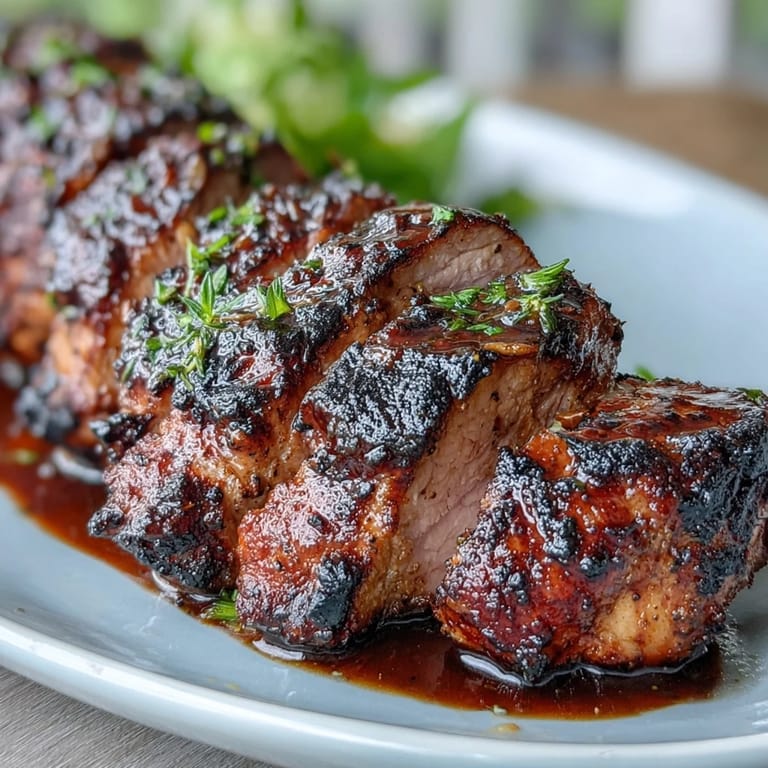
Save There was this moment at my sister's birthday when someone asked if I'd taken a cooking class, and I realized this dish had a way of making people feel special without requiring you to be a trained chef. It's the kind of recipe that bridges the gap between weeknight dinner and something you'd order at a restaurant, which is exactly why it's become my go-to when I want to impress without stress.
The Heat Question
The Scotch bonnet pepper in this recipe is genuinely hot, and I learned this by not wearing gloves the first time and regretting it for hours. If you're sensitive to spice, seed it completely and start with half a pepper, tasting the marinade as you go. You can always add more heat, but backing it out is impossible—with guests coming over, this is the moment to be cautious and build confidence over time.
Timing and Make-Ahead Strategy
The beauty of this recipe is that the marinade does its best work overnight, so you can prep this the day before and let your refrigerator handle the heavy lifting. I usually marinate in the morning before work, then roast in the evening when I get home, which means the actual cooking is just 25 minutes of your attention. This is the kind of advance planning that makes dinner feel less hectic and more intentional.
Serving and Pairing Ideas
This pork loves sides that either ground it in Caribbean tradition or offer cooling contrast to the spice. I've found that rice and peas feels authentic, grilled vegetables add smokiness, and mango salsa brings brightness that balances the jerk perfectly. For drinks, a crisp Sauvignon Blanc cuts through the spice beautifully, though a cold lager is equally at home here.
- If you have access to a grill after roasting, sear each slice for 2–3 minutes per side to add a second layer of char and smokiness.
- Leftover sliced pork works wonderfully in tacos the next day or sliced cold over a summer salad.
- Make extra marinade if you want to brush it on vegetables or use it as a condiment on the side.
 Save
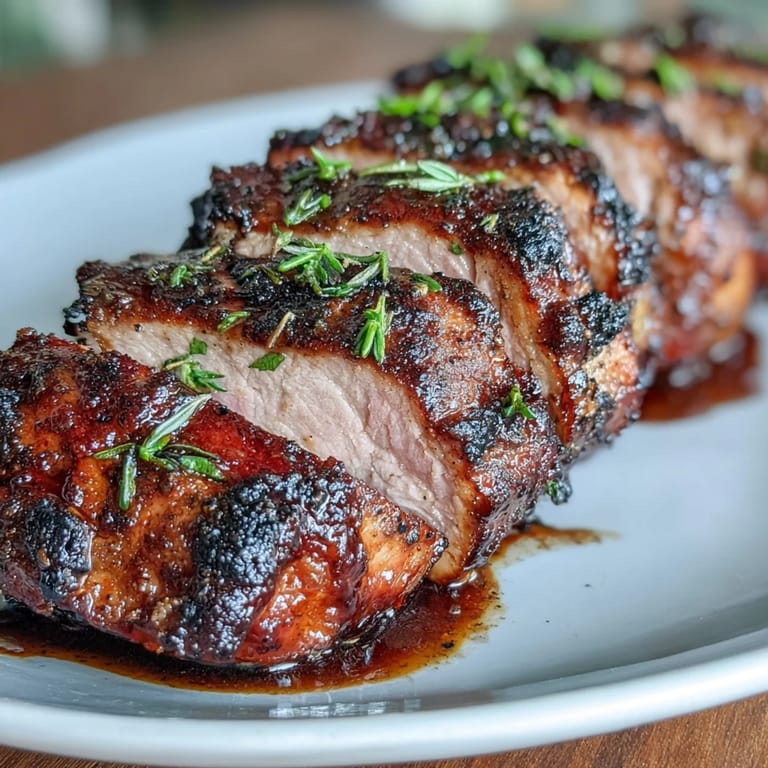
Save This is the kind of recipe that makes you feel like you've traveled somewhere without leaving your kitchen, and it's simple enough that you'll actually make it again. Once you nail it, you'll understand why Marcus's neighbors kept showing up uninvited.
Recipe Questions
- → How do I achieve the best flavor in jerk pork?
Marinate the pork tenderloin for at least 2 hours or overnight to allow the spices and aromatics to deeply penetrate the meat, enhancing flavor and tenderness.
- → Can I substitute the Scotch bonnet pepper?
Yes, use a jalapeño pepper for a milder heat level while maintaining the spice character.
- → What is the ideal internal temperature for cooked pork tenderloin?
The pork is perfectly cooked when it reaches 145°F (63°C), ensuring it remains juicy and safe to eat.
- → How can I add a smoky touch to this dish?
Finish the roasted pork briefly on a hot grill for 2-3 minutes per side to introduce smoky grill marks and extra flavor.
- → What sides complement jerk pork tenderloin?
Traditional sides like rice and peas, grilled vegetables, or fresh mango salsa balance the bold spices beautifully.
- → Is this dish suitable for gluten-free diets?
Yes, by using certified gluten-free soy sauce or tamari, the dish is compatible with gluten-free needs.