 Save
Save My neighbor came over one evening with fresh rye bread and a jar of pickled beetroot, insisting I needed to taste proper frikadeller the way her grandmother made them in Copenhagen. Within minutes, the kitchen filled with that unmistakable smell of butter and meat hitting hot oil, and I understood why she'd been so determined. These Danish pork meatballs aren't fussy or complicated, but they have this comforting way of tasting like home, even if home is somewhere you've never been.
I made these for a casual weeknight dinner when I had three people stopping by unexpectedly, and somehow they became the main conversation for the next week. There's something about sitting around a table passing pickles and bread, eating warm meatballs with your hands, that makes people slow down and actually talk. That night shifted how I think about cooking for others.
Ingredients
- Ground pork: Five hundred grams is your foundation, though mixing in some veal if you can find it creates an even silkier texture that's worth the effort.
- Finely grated onion: Don't skip the grater; it dissolves into the meat and adds a sweetness that cooking diced onion just can't match.
- Egg: One large egg binds everything while keeping things light and airy once they're cooked.
- Whole milk: A hundred milliliters seems generous, but it's what makes the breadcrumbs work their magic and keeps the meatballs from becoming dense or rubbery.
- Breadcrumbs: Sixty grams of panko or regular breadcrumbs, which act like tiny sponges soaking up that milk and creating pockets of tenderness throughout.
- Salt, pepper, and allspice: The allspice is optional but absolutely worth finding; it's the quiet ingredient that makes people wonder what makes these taste so distinctly Danish.
- Butter and oil for frying: Two tablespoons of butter with one tablespoon of neutral oil gives you the best of both worlds—the flavor of butter without the risk of burning at higher temperatures.
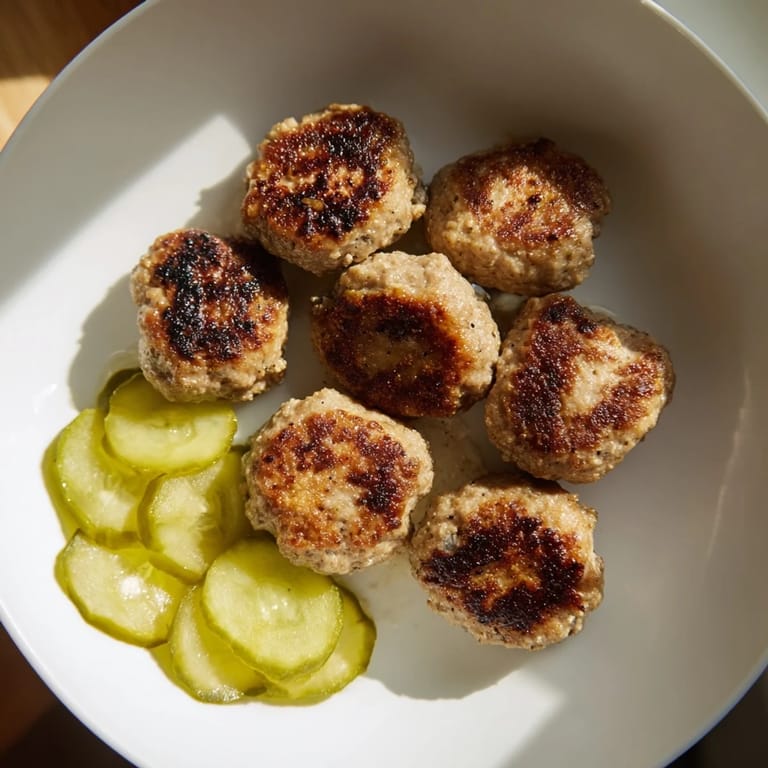
- Danish pickles: Pickled cucumber, beetroot, or a mix; they're not a garnish but a necessary counterpoint to the richness of the meatballs.
Tired of Takeout? 🥡
Get 10 meals you can make faster than delivery arrives. Seriously.
One email. No spam. Unsubscribe anytime.
Instructions
- Build your mixture:
- In a large bowl, combine your pork, grated onion, egg, milk, breadcrumbs, salt, pepper, and allspice. Stir until everything comes together into one cohesive, slightly sticky mass—you should see no dry bits of breadcrumb left behind.
- Let it breathe:
- Set the mixture aside for ten minutes; this pause lets the breadcrumbs fully absorb the milk and makes shaping infinitely easier. You'll notice it becomes slightly firmer and more forgiving.
- Shape with intention:
- Wet your hands under cool water first, which prevents sticking. Form the mixture into twelve to fourteen pieces, each about the size of a golf ball, gently pressing them together without overworking the meat.
- Heat your pan:
- Place a large skillet over medium heat and let the butter and oil meld together, swirling occasionally. When it's shimmering and smells rich, you're ready.
- Fry with patience:
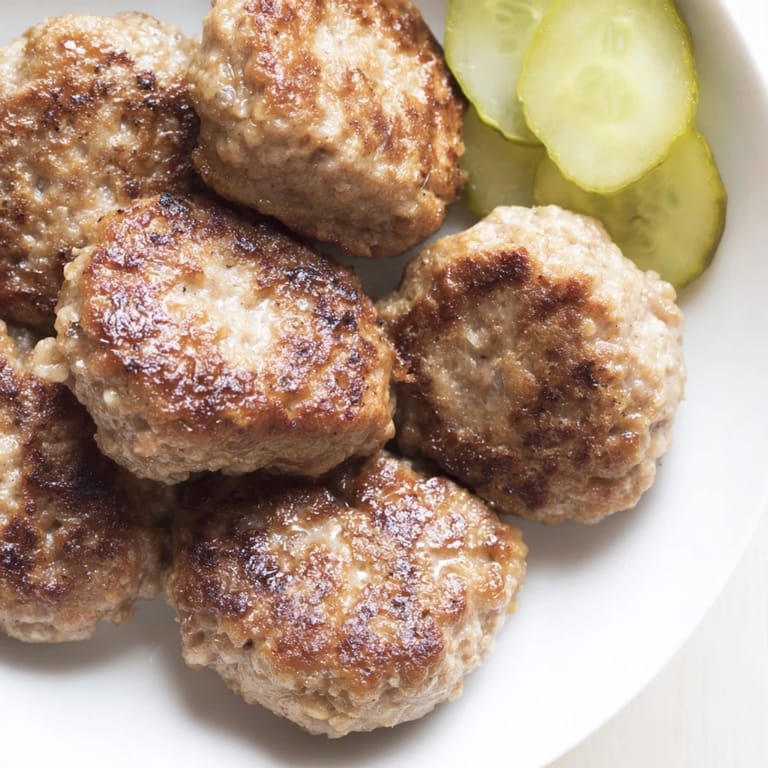
- Working in batches so you don't crowd the pan, gently press each meatball flat with a spatula to increase the contact with the hot pan. Fry for four to five minutes per side until deeply golden and the internal temperature reaches sixty-three degrees Celsius.
- Finish on paper towels:
- Transfer each batch to a paper-towel-lined plate to drain excess oil while you continue frying, keeping them in a warm oven if needed.
 Save
Save There was a moment when my sister took a bite of one of these with a dollop of pickled beetroot, and her entire face changed. She set down her fork and just looked at me, and we didn't need to say anything because we both understood that sometimes the simplest meals are the ones that stick with you.
The Secret of Resting
That ten-minute rest isn't just patience practice; it's chemistry. The breadcrumbs absorb the milk completely, which hydrates the meat fibers and creates a tender crumb throughout. When you skip this step, your meatballs become dense and heavy, almost rubber-like once they cool. I learned this the hard way by rushing, and the difference that ten minutes makes is genuinely shocking.
Building the Perfect Plate
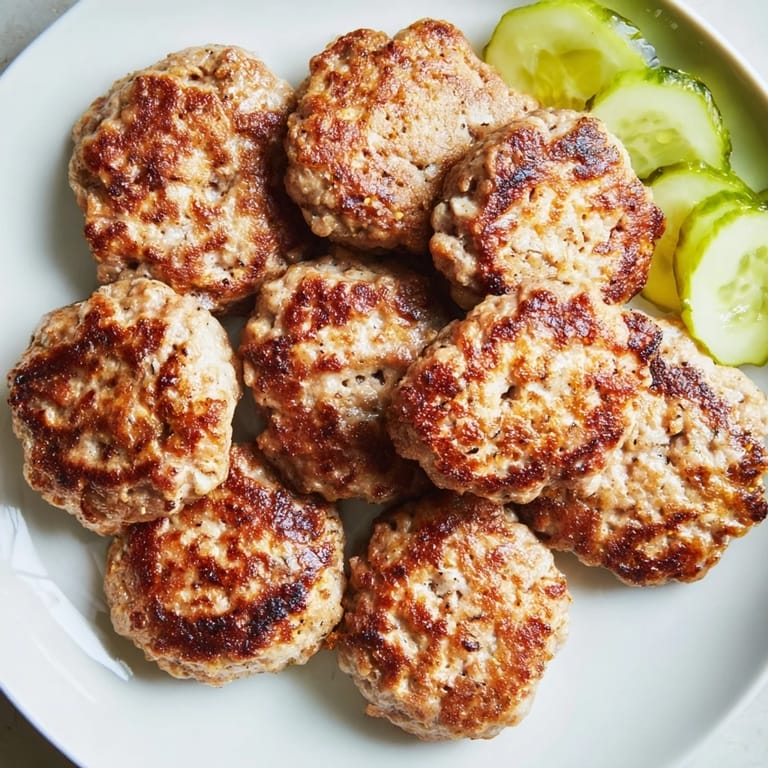
Frikadeller shine when served warm with something sharp and vinegary to cut through the richness. Danish pickles are traditional, but honestly, any good pickled vegetable works—cucumber, onion, beetroot, or a mix. Add rye bread on the side, let people tear off pieces to eat with the meatballs, and suddenly you've created something that feels both casual and intentional.
Variations Worth Exploring
The beauty of frikadeller is their flexibility without losing their Danish soul. Swapping half the pork for ground veal creates a lighter, almost delicate texture that still feels authentic. Some people add a tablespoon of horseradish or a pinch of caraway seed, which shifts the flavor in subtle, interesting ways. Even the spice level is up to you—the allspice is traditional but optional, and a touch of cayenne, if you're adventurous, adds warmth without overwhelming.
- Try serving them cold the next day on dark bread with mustard and crispy pickles for an entirely different meal.
- A creamy potato salad or warm red cabbage slaw rounds out the plate in the most traditional way.
- If you're cooking for someone avoiding breadcrumbs, finely grated potato works surprisingly well as a binder instead.
 Save
Save These meatballs have this quiet generosity about them—they're humble and unfussy, but they somehow make every meal feel like something worth gathering for. Make them once, and you'll find yourself thinking about them weeks later.
Recipe Questions
- → What is the best meat mixture for Danish frikadeller?
Ground pork is traditional, but mixing in veal can lighten the texture while maintaining rich flavor.
- → How do I achieve a golden crust on the meatballs?
Fry in a combination of butter and neutral oil over medium heat, flattening slightly and cooking evenly 4–5 minutes per side.
- → Why should the meat mixture rest before shaping?
Resting allows the breadcrumbs to absorb moisture, resulting in a firmer, cohesive mixture that's easier to shape.
- → What sides complement Danish pork meatballs?
Tangy pickles, rye bread, boiled potatoes, or creamy potato salad all pair beautifully to enhance the meal.
- → Can allspice be omitted without affecting taste?
Yes, allspice adds traditional Danish warmth but can be skipped if unavailable or undesired.