 Save
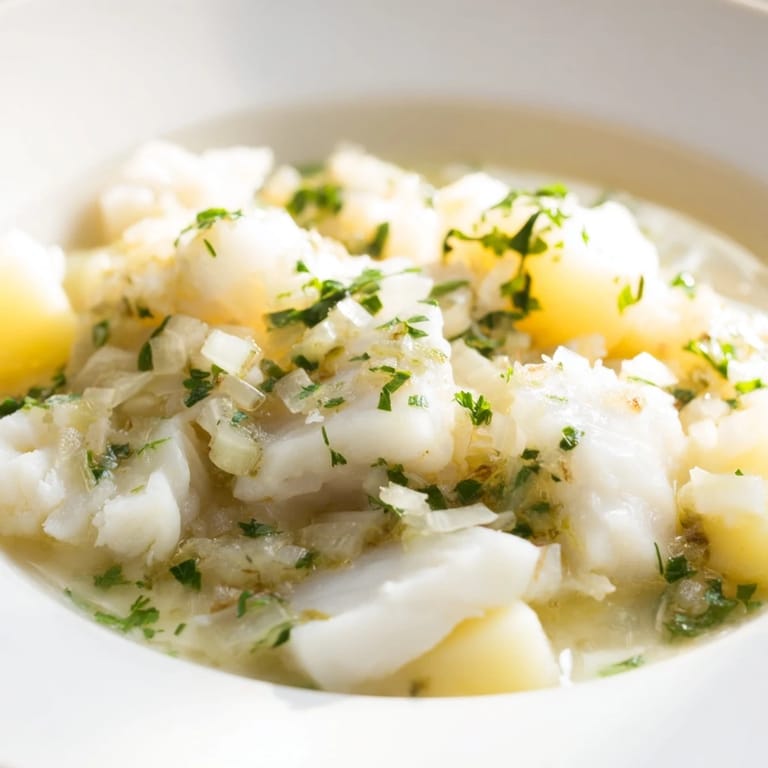
Save A few years back, I found myself in a tiny Reykjavik kitchen during an unexpectedly cold autumn, watching an elderly neighbor blanch at my attempt to make something warm and filling with what little I had on hand. She pulled out this recipe, handwritten on the back of an old grocery list, and suddenly the kitchen filled with the most comforting aroma of butter, cream, and tender fish. That single afternoon taught me that sometimes the simplest dishes carry the weight of generations, and this Icelandic fish stew became one of those recipes I return to whenever I need that same feeling of being wrapped in warmth.
I made this for friends on a winter evening when snow started falling unexpectedly, and halfway through cooking, someone mentioned they were feeling homesick. By the time we sat down to eat, the stew had transformed the whole mood in the room, people were laughing and asking for second bowls, and suddenly the snow outside didn't feel lonely anymore. That's when I realized this wasn't just food—it was an invitation to slow down together.
Ingredients
- Cod or haddock fillets (500 g): White fish is the heart of this stew, choose fillets that are firm and smell fresh from the sea, not fishy.
- Butter (60 g): Use good butter here because you can taste it, the fat carries all the gentle flavors and creates that silky texture.
- Whole milk (500 ml): This is what makes the broth taste like comfort, don't skip it for something lighter unless you're ready to lose something essential.
- Heavy cream (100 ml): Just enough to make it rich without being heavy, it rounds out the sharp edges and adds luxury.
- Potatoes (500 g): Waxy potatoes hold their shape better than floury ones, you want pieces that stay intact in the broth.
- Onion (1 medium): Finely chop it so it almost disappears into the stew, becoming flavor rather than texture.
- Fresh parsley and chives: These are not optional, the brightness of fresh herbs is what lifts this dish from heavy to balanced.
- Bay leaf, salt, white pepper, and nutmeg: Each one whispers rather than shouts, creating depth that makes people pause between spoonfuls wondering what makes it taste so right.
Tired of Takeout? 🥡
Get 10 meals you can make faster than delivery arrives. Seriously.
One email. No spam. Unsubscribe anytime.
Instructions
- Cook the potatoes until just tender:
- Dice them into bite-sized pieces and boil them in salted water for 12 to 15 minutes—you want them soft enough to partially mash but still holding their shape. This is your stew's texture foundation.
- Gently poach the fish:
- Cover the fillets with water, add a bay leaf and salt, then simmer for 6 to 8 minutes until they turn opaque and flake apart with a fork. Save that poaching liquid, it's liquid gold for the broth.
- Sauté the onion in butter:
- Let it soften over medium heat for about 5 minutes, the kitchen will smell warm and inviting. This is the moment everything begins coming together.
- Mash the potatoes gently:
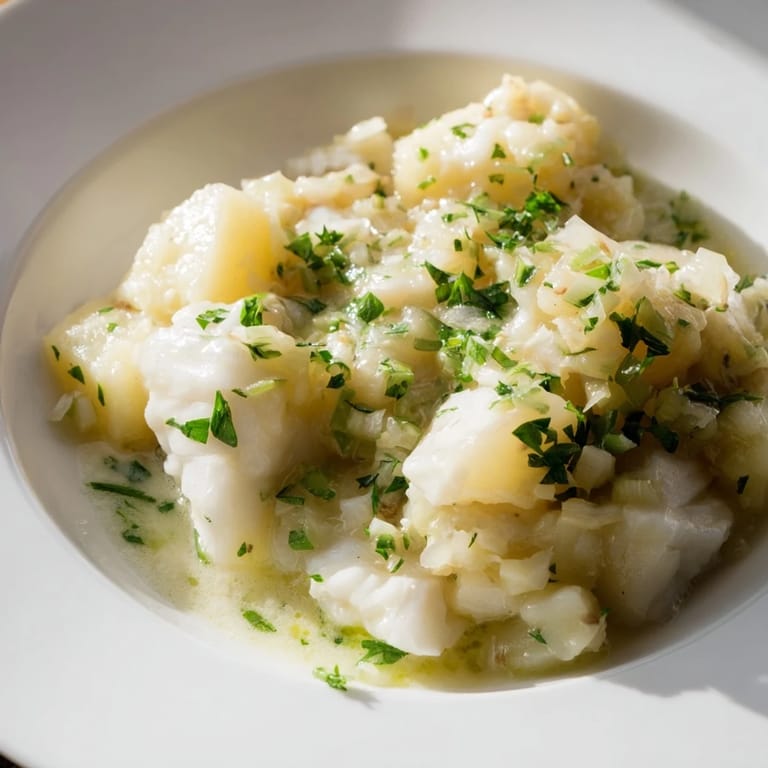
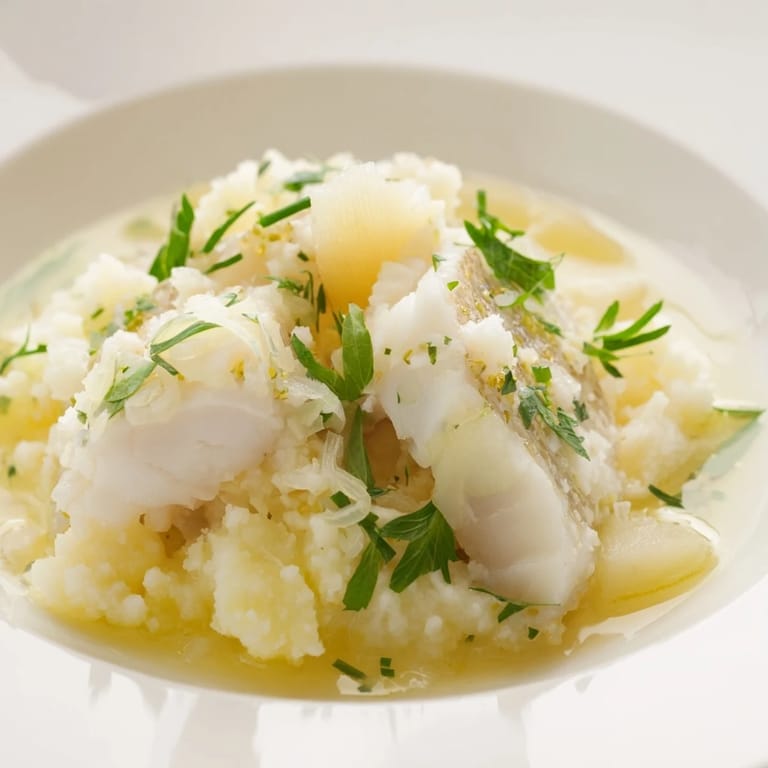
- Add them to the pot and break them down with a potato masher, leaving some chunks so the stew has texture rather than being a smooth purée. You're looking for something rustic.
- Bring the components together:
- Flake the cooked fish into large pieces, add it to the pot with the reserved poaching liquid, then pour in the milk and cream. Stir slowly and let it warm through on low heat, never letting it boil or the cream will curdle and you'll lose that silky feel.
- Season and finish with herbs:
- Taste as you go—add salt, white pepper, and a whisper of nutmeg if you're drawn to it. Stir in half the parsley and chives now, save the rest to scatter on top when serving so the herbs stay bright and fresh.
 Save
Save There was one moment when my daughter, who normally picks at everything, asked for a third bowl and then looked up to say this was what she wanted to eat when she was sad. Small moments like that remind me why this recipe matters.
Why White Fish Works Best
Cod and haddock are traditional choices in Iceland because they're mild enough not to overwhelm the cream, yet substantial enough to stand up in a rich broth without disappearing. The flesh is delicate and flakes into tender pieces that feel luxurious without being fussy. If you can find it, smoked fish adds another layer of depth that's quietly beautiful, or you can mix two types of white fish for more complexity—the stew welcomes experimentation as long as you respect its gentle nature.
The Art of Not Overcooking the Cream
The biggest mistake I made early on was finishing the stew too hot or stirring too aggressively after adding the cream, which caused it to separate and turn grainy. Now I treat the final stage like a meditation—low heat, gentle stirring, a willingness to wait for it to reach temperature rather than rush it. The difference between a broken sauce and a silky one is patience and respect for the dairy. Watch how the stew moves when you stir, once it's steaming and moves like silk, you're done.
Serving and Keeping the Magic Alive
Serve this hot, in wide bowls so the broth spreads out and the fish and potatoes shine. Dark rye bread with butter is traditional because it's sturdy enough to soak up the broth without dissolving, and the slight earthiness of the rye plays beautifully against the cream. This stew actually tastes better the next day when the flavors have had time to know each other, so don't hesitate to make it ahead.
- Leftovers keep for three days in the refrigerator and rewarm gently on the stovetop with a splash of milk if needed.
- Freeze portions for up to two months, though the texture of the potatoes will soften further upon thawing.
- If the stew seems too thick when reheating, a little warm milk brings it back to life.
 Save
Save This stew reminds me that the best recipes aren't about technique or complexity—they're about creating a moment where people slow down and feel cared for. Make it when someone needs warmth, and watch how food becomes language.