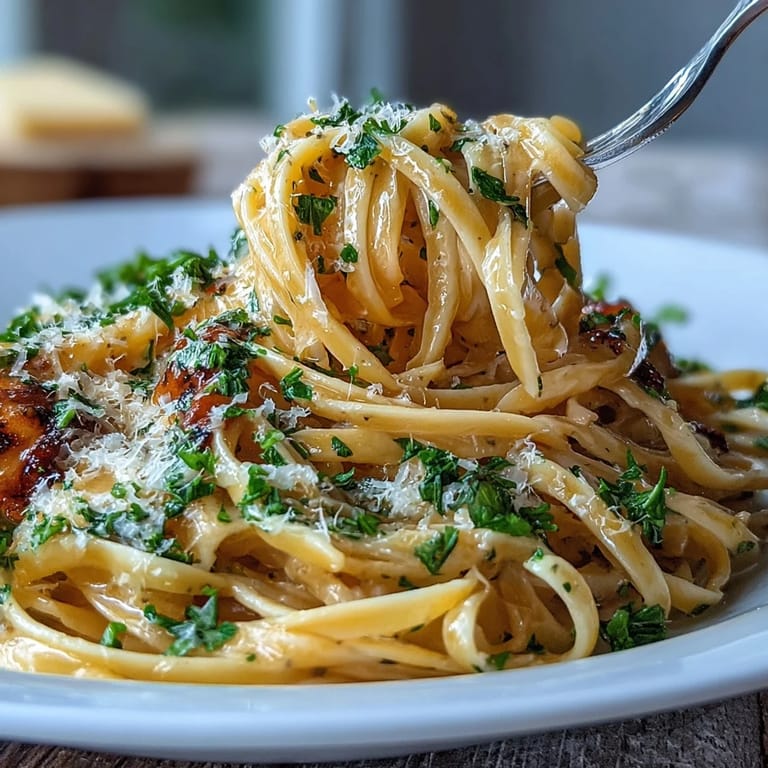
 Save
Save My sister called mid-April asking what to make for dinner when her farmer's market haul included the first tender peas of the season. I found myself describing this pasta almost without thinking, the way you rattle off something you've made a hundred times but never tire of. The bright lemon and butter sauce came together in the time it took water to boil, and suddenly she was texting photos of the finished dish before I'd even hung up. That's when I realized this recipe had become one of those quiet kitchen staples that sneaks into rotation without fanfare.
Last summer I made this for my neighbor who'd just moved in, mostly as an excuse to welcome her properly. I remember standing in her unfamiliar kitchen, both of us laughing when the pasta water boiled over because neither of us could find the right burner dial. By the time we sat down to eat on her barely-unpacked patio, forks in hand, the conversation had shifted from small talk to real stories. Food has a way of doing that, especially when it tastes this good and arrived from so little effort.
Ingredients
- Linguine or spaghetti (12 oz): The thinner the pasta, the better it catches the sauce; linguine feels almost elegant, but honestly spaghetti works just as well.
- Fresh or frozen green peas (1 cup): Frozen peas are secretly superior here because they stay intact and sweet, though fresh spring peas are worth celebrating when they're in season.
- Garlic (2 cloves, minced): The moment garlic hits hot butter is when your kitchen smells like dinner should smell.
- Lemon (1 large, zested and juiced): Don't skip the zest—those tiny bright flecks are where the real lemon flavor lives.
- Fresh parsley (2 tbsp, chopped): Stirred in at the end so it stays vibrant and reminds you this dish is alive.
- Unsalted butter (4 tbsp): This sauce is built on butter, so use the good stuff you'd actually want to eat straight.
- Parmesan cheese (1/2 cup, grated, plus more for serving): Freshly grated melts into the sauce like silk; the pre-grated kind works but won't quite disappear the same way.
- Salt and black pepper: Taste as you go because lemon changes how salt feels on your tongue.
Tired of Takeout? 🥡
Get 10 meals you can make faster than delivery arrives. Seriously.
One email. No spam. Unsubscribe anytime.
Instructions
- Boil the pasta water:
- Fill a large pot with water, salt it generously—it should taste like the sea—and let it come to a rolling boil. Once the water is churning, add the pasta and stir occasionally so nothing sticks together.
- Cook the pasta to al dente:
- Follow the package time, but start tasting a minute before it says you should. You want tender pasta with just a whisper of resistance when you bite it, not mushy strands that have given up.
- Save your liquid gold:
- Before you drain the pasta, scoop out a cup of that starchy water and set it aside—this is what transforms butter and lemon into sauce.
- Butter and garlic come first:
- Melt the butter in a large skillet over medium heat, then add the minced garlic and let it cook for just one minute until fragrant but still pale. If it starts to brown, you've gone too far.
- Add the peas:
- Stir them into the buttery pan and cook for a couple minutes until they warm through and turn a brighter green. If you're using fresh peas, give them an extra minute or so to become tender.
- Wake up the pan with citrus:
- Pour in the lemon zest and juice, letting the acid sizzle slightly as it hits the warm butter. This is when the dish really announces itself.
- Bring pasta and sauce together:
- Add your drained pasta to the skillet along with about half a cup of that reserved water, then toss everything so the pasta gets coated in the golden sauce. Keep tossing until it looks silky and clings to each strand.
- Melt in the Parmesan:
- Sprinkle the grated cheese over everything, along with salt and pepper, and keep tossing gently until the cheese dissolves into the sauce. If it looks too thick, add more pasta water a splash at a time until it feels right.
- Finish with parsley:
- Pull the pan off the heat and stir in the chopped parsley so it stays bright and fresh.
- Plate and serve:
- Divide among bowls while everything is still hot, then top each serving with a shower of extra Parmesan and a grind of black pepper.
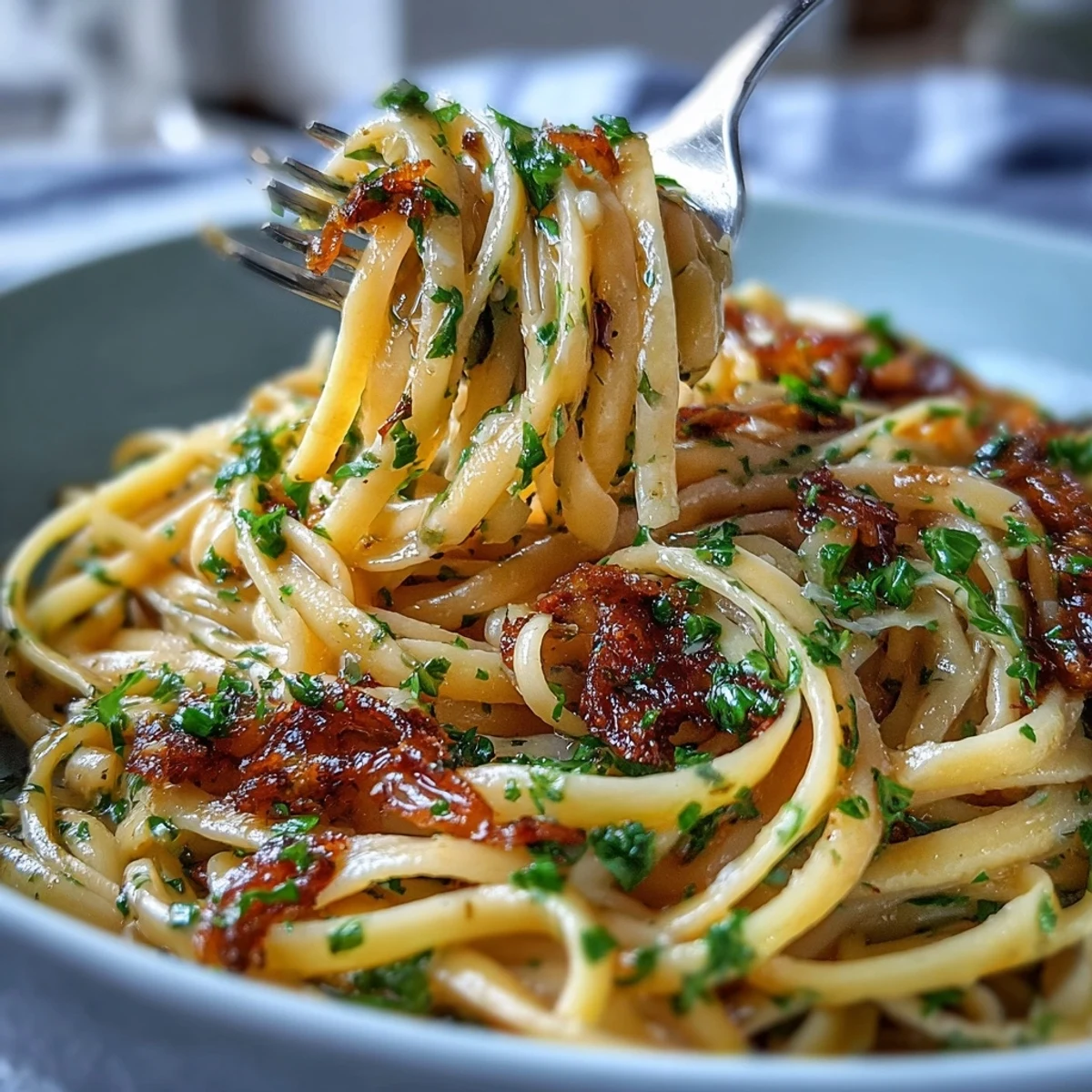 Save
Save There's something about eating pasta outdoors in good light that makes you appreciate how simple food can still feel special. I've served this to people who usually order takeout and watched them slow down, genuinely tasting each bite, which is its own kind of victory.
Why This Becomes a Regular
The reason this pasta lives in my regular rotation isn't because it's impressive—it's because it's reliable. You can make it on a Tuesday when you're tired, or throw it together for guests when you want them to think you spent more time cooking than you actually did. The ratio of simplicity to flavor payoff is almost unfair.
Variations That Work
Once you understand how this sauce works, you start seeing possibilities everywhere. Some nights I've stirred in sautéed shrimp for protein, other times a handful of baby spinach or arugula gets tossed in with the peas for something leafy and substantial. You could replace some of the butter with olive oil if you want it lighter, or add a splash of white wine to deepen the flavor.
Timing and Storage
This is a now-or-never dish—it's best eaten immediately while the sauce is silky and the pasta is hot. If you're cooking for a crowd, you can prep all your ingredients ahead and have everything at the stove ready to go, which honestly takes most of the stress out of dinner.
- Make your mise en place by mincing garlic, zesting and juicing lemon, and measuring out Parmesan before you turn on the stove.
- If you have leftovers, they're not quite the same cold, but they make a passable lunch tossed with a little extra lemon juice and olive oil.
- For a dinner party, multiply the recipe by however many people are coming—it scales easily without getting any harder to execute.
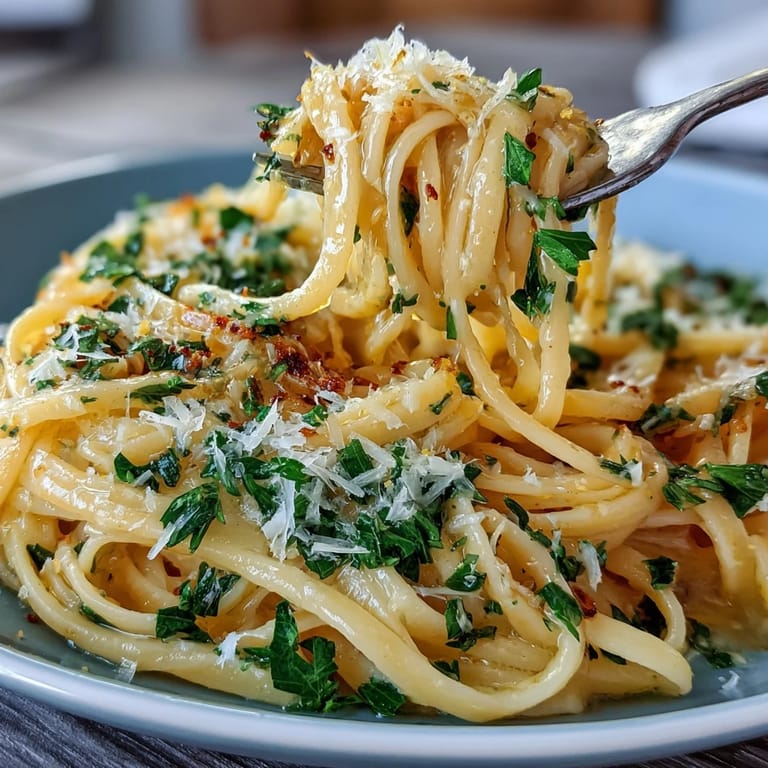 Save
Save This pasta tastes like spring tastes, and it asks very little of you in return. Once you've made it once, you'll find yourself reaching for it whenever you want dinner to feel a little brighter.
Recipe Questions
- → What type of pasta works best?
Linguine or spaghetti are ideal as they hold the sauce well and complement the peas and butter.
- → Can I use frozen peas instead of fresh?
Yes, frozen peas work well; just cook them until heated through for tender texture.
- → How do I keep the sauce creamy?
Reserve some pasta cooking water and add it gradually when tossing the pasta to achieve a silky consistency.
- → What can I add for extra protein?
Sautéed shrimp or grilled chicken make excellent additions without overpowering the bright lemon flavor.
- → Can I substitute butter for another fat?
Yes, replacing half the butter with olive oil adds richness and a subtle fruitiness.