 Save
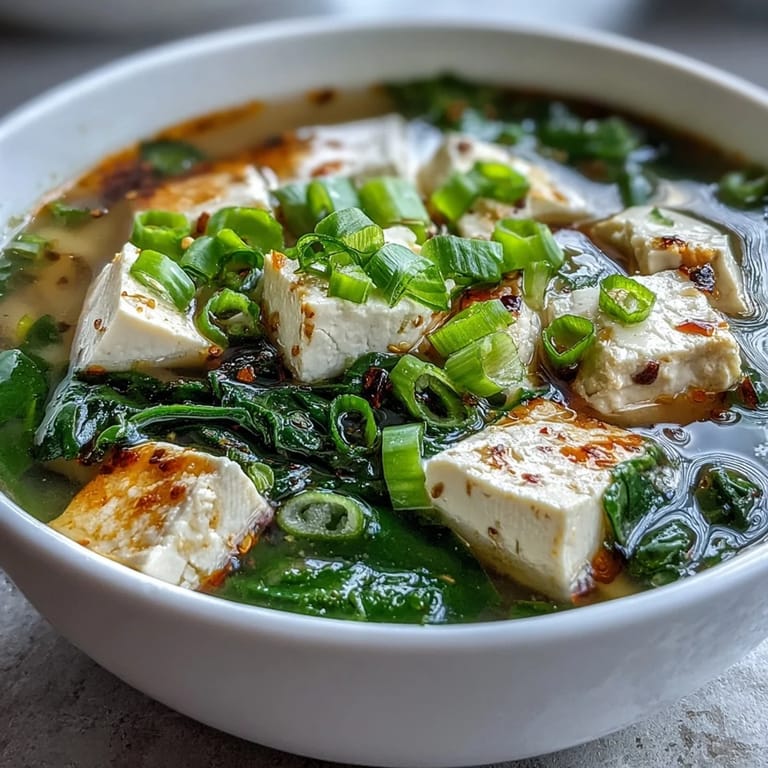
Save My first real encounter with miso soup happened on a cold Tuesday evening when a Japanese colleague brought a thermos to the office and the entire floor smelled like ocean and umami. She poured me a small cup, and I was struck by how something so simple could feel so complete, like a warm conversation in a bowl. That moment taught me that the best dishes aren't necessarily complicated, they're just honest. Now whenever I make this at home, I chase that same feeling of comfort and clarity.
I made this soup on a rainy Sunday for my roommate who was feeling under the weather, and watching her face soften with the first spoonful was the kind of small magic that makes cooking worthwhile. She asked for the recipe that same afternoon, which meant she was already feeling better, but more importantly, it meant the soup had done its job of making her feel cared for. That's what I love about miso soup, it's nourishment with intention built right in.
Ingredients
- Dashi stock (4 cups): The foundation of everything, and kombu-based dashi makes this entirely vegetarian and brings a subtle sweetness that commercial versions sometimes miss.
- White or yellow miso paste (3 tablespoons): The soul of the soup, these milder varieties dissolve smoothly and create a broth that's approachable without being bland.
- Firm tofu (120 g, cut into 1/2-inch cubes): Soft tofu falls apart while firm tofu holds its shape and gives the soup a pleasant texture against the liquid.
- Fresh spinach (2 cups, roughly chopped): It wilts down to almost nothing in seconds, adding iron and a brightness that cuts through the richness of the miso.
- Green onions (2, thinly sliced): These go in at the very end and bring a sharp, fresh note that wakes up your palate.
Tired of Takeout? 🥡
Get 10 meals you can make faster than delivery arrives. Seriously.
One email. No spam. Unsubscribe anytime.
Instructions
- Start with a gentle simmer:
- Pour your dashi into a medium saucepan and turn the heat to medium, letting it warm slowly without aggressive bubbling. You'll see wisps of steam rising before it ever reaches a boil, and that's exactly right.
- Dissolve the miso properly:
- This is the moment where patience pays off, so scoop some hot dashi into a small bowl with the miso and whisk until it's completely smooth before stirring it back into the pot. Never let the soup boil once the miso goes in, because high heat destroys the beneficial bacteria and mutes the flavor.
- Add the tofu gently:
- Drop the cubes in and let them warm for 2 to 3 minutes, they'll soften slightly and take on the broth's flavor without falling apart.
- Wilt the spinach at the end:
- Stir it in just before serving so it stays vibrant green and holds onto its nutrients instead of turning an unappealing shade of gray.
- Finish with green onions and serve right away:
- The green onions stay crisp and aromatic only when added at the very last moment, so pour the soup into bowls immediately after stirring them in.
 Save
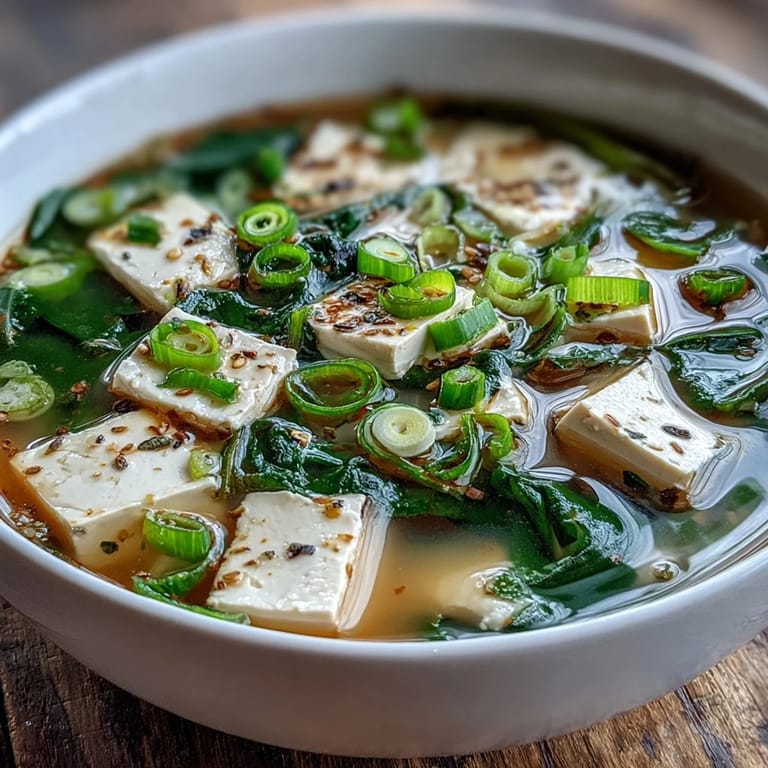
Save There was an afternoon when my grandmother, who had never eaten miso soup before, took a slow sip and then went quiet for a moment. When she looked up, she said it reminded her of something her own grandmother used to make, something she'd forgotten she missed. Food has a way of bridging time like that, and this simple soup became the translator.
The Art of Dashi
The broth is everything in miso soup, and once I started making my own dashi instead of relying on instant packets, the whole dish transformed. Kombu and dried shiitake mushrooms steeped in water for just a few minutes create a depth that feels almost impossible for something so minimal. It's the kind of small effort that makes an enormous difference, and it's actually easier than most people think.
Tofu Selection and Texture
The texture of your soup hinges entirely on choosing the right tofu, and I've ruined batches by being careless about this detail. Firm tofu holds its shape through the gentle heating while silken tofu, beautiful as it is, dissolves into the broth and creates a creamier, almost custard-like soup that some people prefer but I find loses the pleasant contrast. Trust your hands when you're at the store, the package should feel solid and substantial.
Variations and Additions
Once you master the basic version, miso soup becomes a canvas for whatever you have on hand or whatever mood you're in. I've added thinly sliced mushrooms for earthiness, wakame seaweed for minerality, and even a thread of sesame oil for richness, and each version felt like a completely different dish. The beauty is that the miso broth is flexible enough to welcome new ingredients without losing its identity.
- Mushrooms add a savory depth that makes the broth feel more substantial and restaurant-quality.
- A small drizzle of sesame oil stirred in at the end creates a nutty richness that lingers on your tongue.
- If you're keeping it simple, just remember that miso soup never needs more than a few minutes to come together, so don't overthink it.
 Save
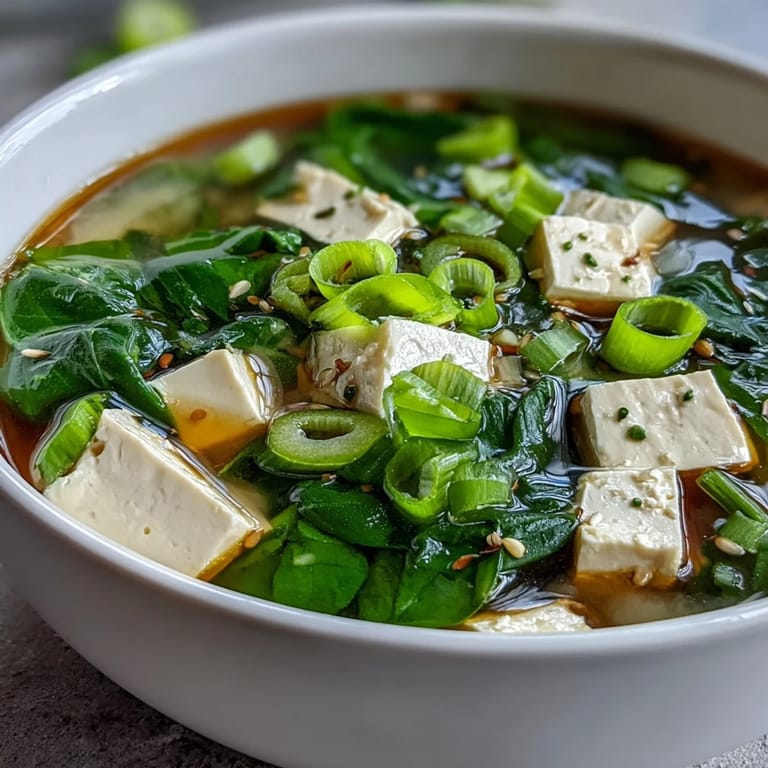
Save This soup has become my go-to for mornings when I need grounding or evenings when I want something that feels both light and deeply satisfying. It's the kind of dish that asks very little of you but gives back so much more than it takes.
Recipe Questions
- → What type of miso is best for this dish?
White or yellow miso paste is preferred for its mild and slightly sweet flavor that complements the other ingredients without overpowering them.
- → Can I use store-bought dashi stock?
Yes, vegetable or kombu-based dashi stock works well and keeps the dish vegetarian-friendly while providing authentic umami.
- → How do I prevent tofu from breaking apart?
Use firm tofu and add it gently to the simmering broth, cooking for only a few minutes to heat through without stirring vigorously.
- → What are good additions to enhance the flavor?
Mushrooms, wakame seaweed, or a splash of sesame oil can add extra depth and texture to the dish.
- → Is this suitable for vegan diets?
Yes, by ensuring the dashi is kombu-based and omitting any fish ingredients, the dish remains fully vegan.