 Save
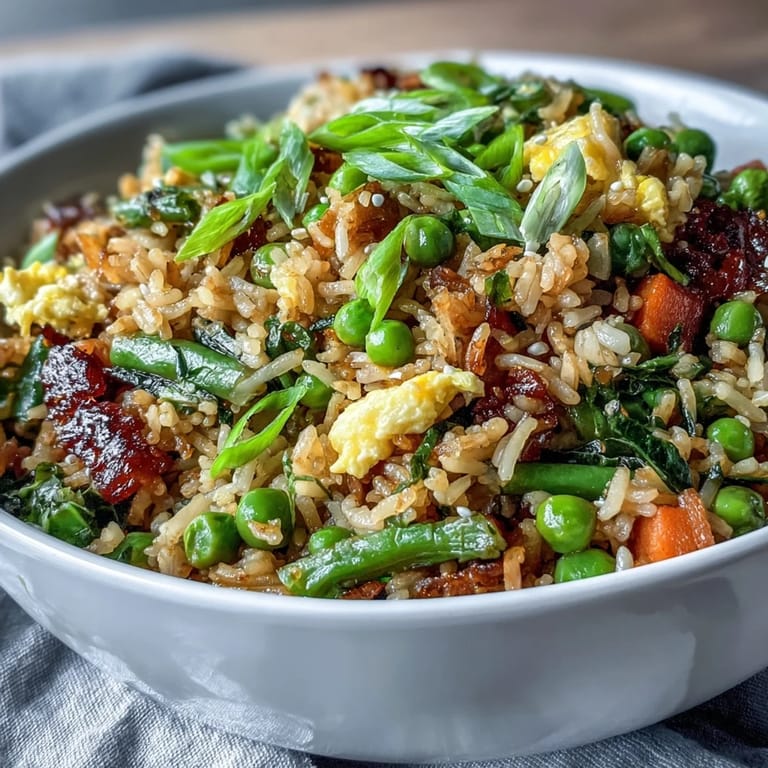
Save One Tuesday evening, my neighbor brought over a container of leftover jasmine rice and challenged me to make something interesting with it before it went bad. I'd been craving something bright and veggie-forward, so I raided my crisper drawer and discovered the makings of what became my go-to weeknight dinner. The whole thing came together in less time than it took to order takeout, and somehow tasted infinitely better than anything delivery could offer.
I made this for a potluck once and watched people who claimed they "didn't really eat vegetables" come back for seconds. There's something about fried rice that makes even the pickiest eaters forget they're eating their greens, and suddenly everyone's asking for the recipe.
Ingredients
- Jasmine or long-grain rice (3 cups, day-old and cold): Cold rice is your secret weapon here—it won't clump or turn mushy when it hits the hot pan, giving you those coveted individual grains that catch the sauce beautifully.
- Spring peas (1 cup fresh or frozen): These little jewels add sweetness and tender bursts of flavor; frozen peas work just as well and honestly, they thaw from the pan's heat perfectly.
- Carrots (1 cup, finely diced): Dice them small so they soften quickly and distribute evenly throughout every spoonful.
- Red bell pepper (1, diced): The color alone makes this dish feel special, and the natural sweetness balances the savory soy sauce.
- Green onions (1/2 cup sliced, plus more for garnish): Add half during cooking for layered flavor, then scatter fresh slices on top for a bright, oniony finish.
- Corn kernels (1/2 cup, optional): Adds a subtle sweetness and nice texture contrast if you have it on hand.
- Garlic (2 cloves, minced): Mince it fine so it distributes throughout and doesn't leave you with harsh bites of raw garlic.
- Fresh ginger (1-inch piece, minced): This is what makes the dish smell incredible and taste alive; don't skip it or substitute powdered ginger.
- Eggs (2 large, lightly beaten): They scramble into delicate ribbons that add richness and protein, though you can easily omit them for vegan cooking.
- Soy sauce or tamari (3 tbsp): Use tamari if you need gluten-free, and don't undersalt—the sauce is what brings all these vegetables together.
- Toasted sesame oil (1 tbsp): A little goes a long way; this nutty oil is what elevates fried rice from simple to restaurant-quality.
- Black pepper (1/2 tsp freshly ground): Fresh ground tastes sharper and more vibrant than pre-ground.
- Sriracha or chili sauce (1 tsp, optional): For people who like gentle heat; adjust to your preference or skip entirely.
- Vegetable oil (2 tbsp canola or peanut): Use an oil with a high smoke point so it can handle the intense heat without burning.
Tired of Takeout? 🥡
Get 10 meals you can make faster than delivery arrives. Seriously.
One email. No spam. Unsubscribe anytime.
Instructions
- Mise en place your mise en place:
- Chop all your vegetables and mince your aromatics before you turn the heat on. Once that wok gets hot, everything moves fast, and you don't want to be hunting for a garlic clove while your carrots overcook.
- Get the pan screaming hot:
- Heat 1 tablespoon of oil in a large wok or skillet over medium-high heat until it shimmers and looks almost nervous. Add your diced carrots and bell pepper, and listen for that immediate sizzle.
- Build your flavor base:
- After 2 to 3 minutes when the carrots have softened slightly, add your minced garlic, ginger, and spring peas (plus corn if you're using it). Keep stirring constantly for about 2 minutes—this is when your kitchen will smell absolutely magical.
- Scramble those eggs:
- Push everything to the side of the pan, add the remaining tablespoon of oil to the empty space, and pour in your beaten eggs. Let them sit for just a moment before scrambling, then mix everything together until the eggs form soft, tender ribbons throughout.
- Introduce the rice:
- Add all your cold rice to the pan and start breaking up any clumps with your spatula, tossing it constantly. This step takes a minute or so, and you'll feel the rice warm through and separate into individual grains.
- Bring it all together with sauce:
- Drizzle in your soy sauce, sesame oil, and sriracha if using, grinding in that black pepper. Toss everything for 3 to 4 minutes until the rice is heated through and wearing a beautiful glossy coat of sauce.
- Finish with fresh brightness:
- Take the pan off the heat, stir in your sliced green onions, and give everything one final toss. Plate it up and scatter more green onions on top for that restaurant finish.
 Save
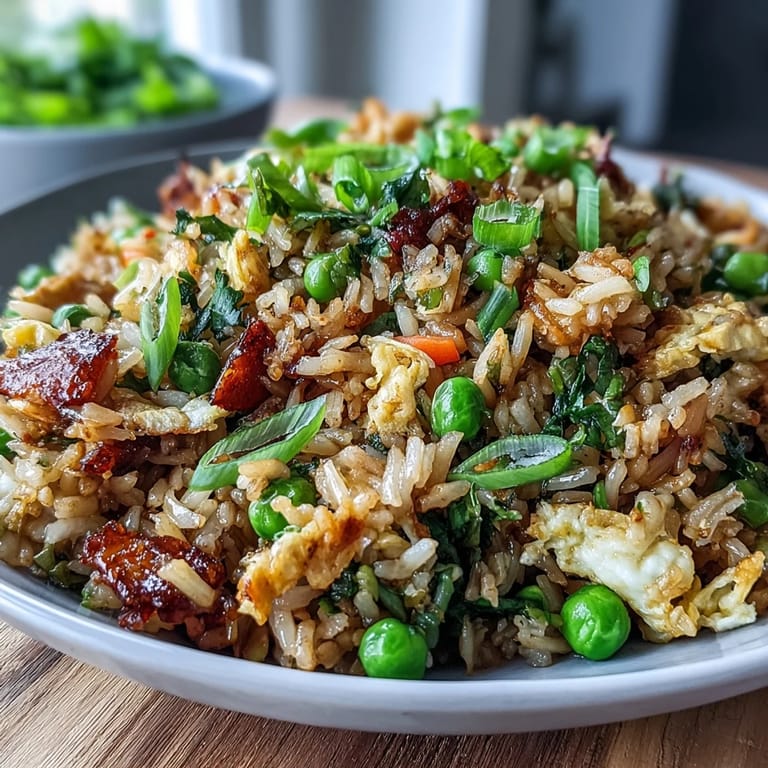
Save The first time my teenager asked to help make this, I realized it was become less about dinner and more about our Tuesday night ritual. Now we text each other vegetable combinations to try, and somehow a simple stir-fry turned into the kind of moment we actually look forward to.
The Cold Rice Truth
I learned this the hard way by ignoring every fried rice recipe that mentioned using day-old rice. Fresh rice absorbed all the oil and moisture, turning into a gluey mess that no amount of stirring could fix. Once I started using leftover rice from the night before, everything changed—the grains stay separate, they toast slightly in the oil, and they actually absorb the sauce instead of turning into porridge. Now I keep rice in my freezer specifically for this reason.
Vegetable Swaps That Actually Work
This recipe is flexible enough to follow whatever's in season or hanging around your crisper drawer. Broccoli florets work beautifully if you cut them small, snap peas bring a satisfying crunch, and zucchini disappears into the rice in the best way. I've even thrown in mushrooms, bok choy, and water chestnuts depending on what I'm craving. The vegetables themselves are less important than respecting the cooking order—things that take longer to soften go in first, delicate things go in at the end.
Making It Your Own
What started as a way to use up leftover rice has become my canvas for whatever proteins and vegetables need eating. Add crumbled tofu or tempeh if you want extra protein, stir in cashews for crunch, or drizzle with a bit of extra sesame oil if you want it richer. The base is solid enough to handle your experimentation.
- For protein boost, cube firm tofu or tempeh and stir-fry it for 2 to 3 minutes before adding vegetables so it gets slightly crispy.
- If you're cooking vegan, scrambled tofu mimics eggs perfectly and absorbs flavors beautifully.
- Always taste before serving—you might want more soy sauce or a touch more sesame oil depending on your rice amount.
 Save
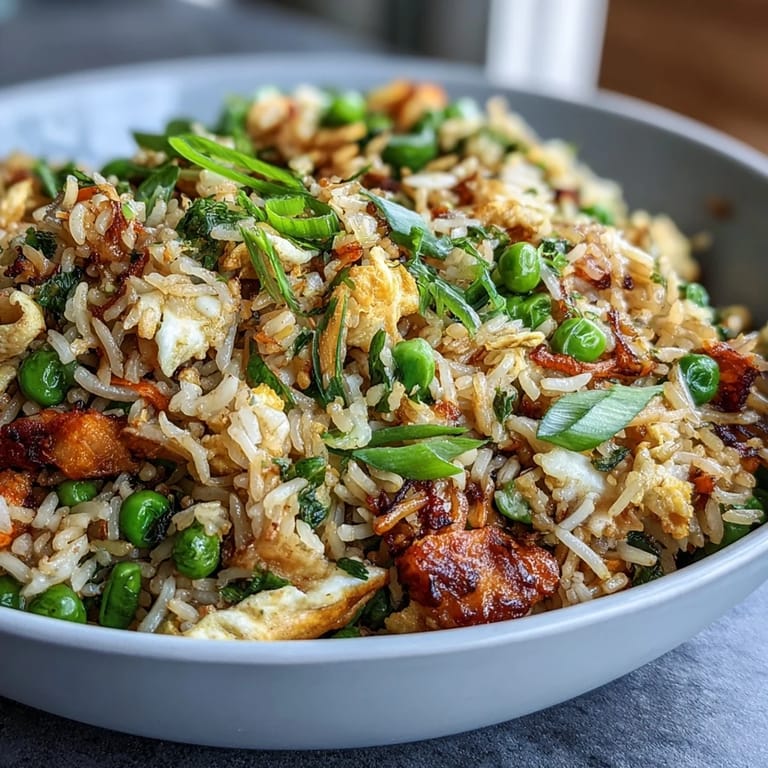
Save This fried rice has quietly become the recipe I make most often, the one that feeds people without fuss and somehow tastes like you tried harder than you actually did. It's the kind of dish that makes you feel good about what you're eating, which might be the best compliment a recipe can get.
Recipe Questions
- → What type of rice is best for this dish?
Day-old jasmine or long-grain rice works best as it’s less sticky and fries evenly without clumping.
- → Can I substitute eggs in this preparation?
Yes, for a vegan version, omit eggs or replace with scrambled tofu for similar texture and protein.
- → What vegetables complement the peas and carrots here?
Red bell pepper, green onions, and optional corn kernels add color, crunch, and sweetness to the dish.
- → How do the aromatics enhance flavor?
Minced garlic and fresh ginger provide a fragrant, savory base that elevates the vegetable flavors in the stir-fry.
- → What cooking oil is recommended?
Vegetable oil such as canola or peanut oil is ideal for stir-frying at high heat; toasted sesame oil adds finishing aroma.