 Save
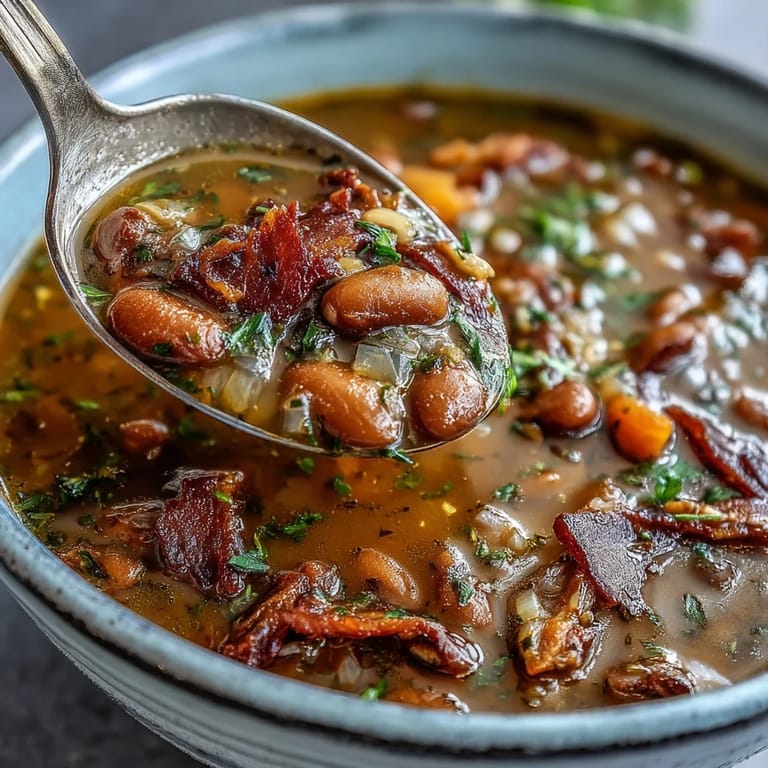
Save My neighbor knocked on the door one December afternoon with a ham bone wrapped in foil, saying she'd feel wasteful tossing it after Christmas dinner. I stood there holding it, suddenly remembering my grandmother's kitchen and the way a single bone could transform into something that fed everyone. That evening, I dumped a bag of 15-bean soup mix into my slow cooker and let time do the work. Eight hours later, my kitchen smelled like woodsmoke and comfort, and I understood why she'd saved it.
The first time I served this to my book club, someone asked if I'd been cooking all day. When I told her it was just slow cooker magic and a saved ham bone, she looked genuinely surprised—the kind of look that made me realize how underrated bone broth really is in modern cooking. She brought the ham bone from her Thanksgiving turkey the next month.
Ingredients
- 15-bean soup mix (1 20 oz bag): This medley of dried beans—kidneys, pintos, blacks, lentils, and others—gives you flavor complexity without buying ten separate ingredients, though rinsing and sorting out the occasional pebble takes just five minutes and saves your teeth.
- Ham bone with meat attached: This is where the soul of the soup lives; the smoke and salt leach into everything over hours, creating a depth you cannot replicate with just broth alone.
- Large onion (diced): The foundation that catches the heat first and caramelizes slightly, becoming almost sweet against the smoky ham.
- Carrots (3, sliced): They soften into the background but add natural sweetness that balances the salt and smoke perfectly.
- Celery stalks (3, sliced): The quiet backbone of flavor that nobody thinks about but everyone notices when it's missing.
- Diced tomatoes with juice (1 14.5 oz can): Canned tomatoes work better here than fresh because their acidity cuts through the richness without requiring fresh produce to be perfect.
- Garlic cloves (3, minced): Add this when you add the other vegetables so it softens gradually rather than turning bitter.
- Low-sodium chicken broth (8 cups): Low-sodium matters because the ham bone brings its own salt, and you control the seasoning at the end rather than oversalting early.
- Water (2 cups): This dilutes the broth just enough so the beans cook evenly without the liquid becoming too salty or heavy.
- Smoked paprika (1 teaspoon): Even with the ham bone, this deepens the smoke signal and makes vegetarians feel like they're not missing anything if you make that version.
- Dried thyme (1 teaspoon): Earthy and subtle, it ties the whole thing together without overpowering.
- Ground black pepper (1 teaspoon): Coarse if you have it, because it maintains its bite instead of turning dusty during the long cook.
- Bay leaf (1): A single leaf contributes an almost imperceptible floral note that makes people ask what spice you used.
- Salt: Always add at the end after beans are tender, because salt added early can prevent beans from softening properly.
Tired of Takeout? 🥡
Get 10 meals you can make faster than delivery arrives. Seriously.
One email. No spam. Unsubscribe anytime.
Instructions
- Rinse and sort your beans:
- This step feels tedious but takes ten minutes and prevents biting into grit or a hard pebble that somehow escaped the factory. Spread them on a plate, pick through quickly, then rinse in a colander under cold water.
- Layer the slow cooker:
- Beans go down first, then the ham bone nestled on top like it's the guest of honor—which it is. This positioning lets the fat and smoke distribute naturally as everything cooks.
- Add your vegetables and seasonings:
- Pile in the onion, carrots, celery, tomatoes with their juice, and minced garlic, then sprinkle the smoked paprika, thyme, black pepper, and slide in the bay leaf. The order doesn't matter much because slow cooking is forgiving.
- Pour liquid over everything:
- Add the broth and water, giving everything a gentle stir so the seasonings distribute. The liquid should reach about three-quarters up the sides of the cooker.
- Cover and cook low for eight hours:
- Set the lid on and resist the urge to peek for at least the first four hours—every time you lift that lid, heat escapes and cooking time extends. The beans will go from hard to yielding around hour six, but the extra time lets flavors marry and the ham bone really give up its gifts.
- Rescue and shred the ham bone:
- Using tongs or a slotted spoon, carefully remove the ham bone and set it on a cutting board to cool. Once it's cool enough to touch, pull any remaining meat from the bone with a fork or your fingers and return the shredded meat to the pot, then discard the bone and bay leaf.
- Taste and season with salt:
- This is the moment to adjust flavors—the soup may already be well-salted from the ham bone, or it might need a teaspoon more. Start with half a teaspoon, stir, taste, and add gradually.
- Serve and enjoy:
- Ladle into bowls while it's hot, and if you want to gild the lily, scatter some fresh parsley on top or serve alongside crusty bread that's perfect for soaking up every last bit.
 Save
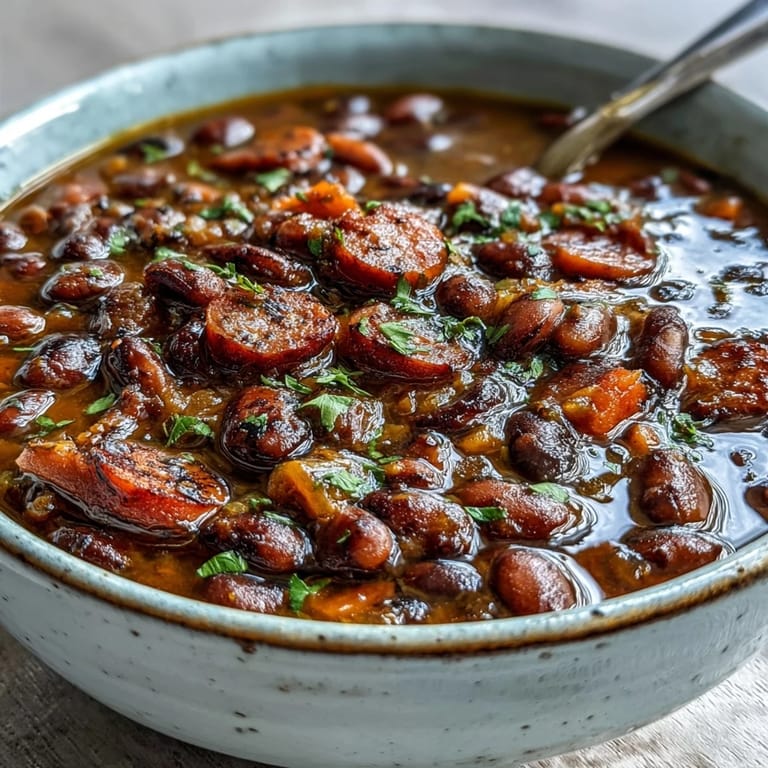
Save My daughter came home from school halfway through cooking and asked why the house smelled like a restaurant. That question made me realize this soup had crossed from being sustenance into being an event, the kind of thing that makes a house feel lived-in and loved. She ate three bowls and asked me to make it again the next week.
The Beauty of Leftovers
This soup actually improves the next day because the flavors have another eight hours to settle and deepen—something that happens in the refrigerator as mysteriously as it happens in the pot. I've served this same batch on day three and sworn it was even better than day one, with the beans having absorbed more of the ham smoke and the broth having turned almost velvety from all that bean starch.
Making It Your Own
The bean mix gives you freedom because you never know exactly which beans you're getting, which means the soup is slightly different each time you make it. Some bags skew toward lentils and split peas, others have more kidney beans and pintos, and that randomness keeps you from ever getting tired of making it. You can also add vegetables you love—diced turnips, potatoes, or handfuls of spinach during the last twenty minutes—and the soup will welcome them like old friends.
Feeding a Crowd Without Stress
Because this soup sits in a slow cooker looking beautiful and patient, you can have people over without being tied to the stove at dinnertime. Everything is already done, hot, and ready, which means you can actually sit with your guests instead of rushing around like someone who regrets inviting people over. The soup can even keep warm on the keep-warm setting for two hours without losing much, though it's best served within an hour of finishing for the brightest flavors.
- Make this soup when you have a ham bone saved in your freezer—it doesn't need to thaw completely before going in.
- Pair it with cornbread or any crusty bread you love, because this soup wants something to accompany it.
- Remember that freezing works beautifully for up to three months, so you can make a double batch and have dinner ready on the nights you need it most.
 Save
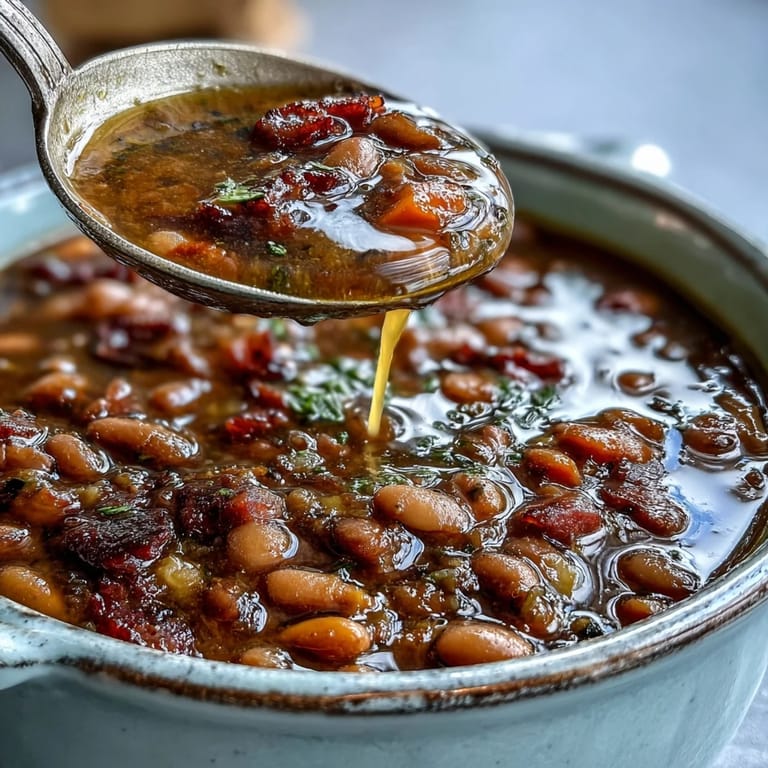
Save This soup taught me that the best recipes aren't about being complicated or impressing anyone—they're about taking what you have and letting time and heat do the work. It's the kind of dish that makes your kitchen smell like home and your family feel fed.
Recipe Questions
- → How long should the soup cook for best flavor?
Simmering on low for 8 hours allows the beans to soften fully and the smoky ham to infuse rich depth throughout the broth.
- → Can I make this without meat?
Yes, omitting the ham bone and adding smoked paprika with a dash of liquid smoke preserves the smoky essence while keeping it vegetarian-friendly.
- → What vegetables are included in this dish?
Onions, carrots, celery, diced tomatoes, and garlic contribute to a balanced, hearty texture and flavor.
- → How should I adjust seasoning for best taste?
Salt should be added after cooking to prevent tough beans and to personalize the seasoning level.
- → Are leftovers freezer-friendly?
Yes, cool completely before portioning and freezing. This dish reheats well while maintaining its rich flavors.