 Save
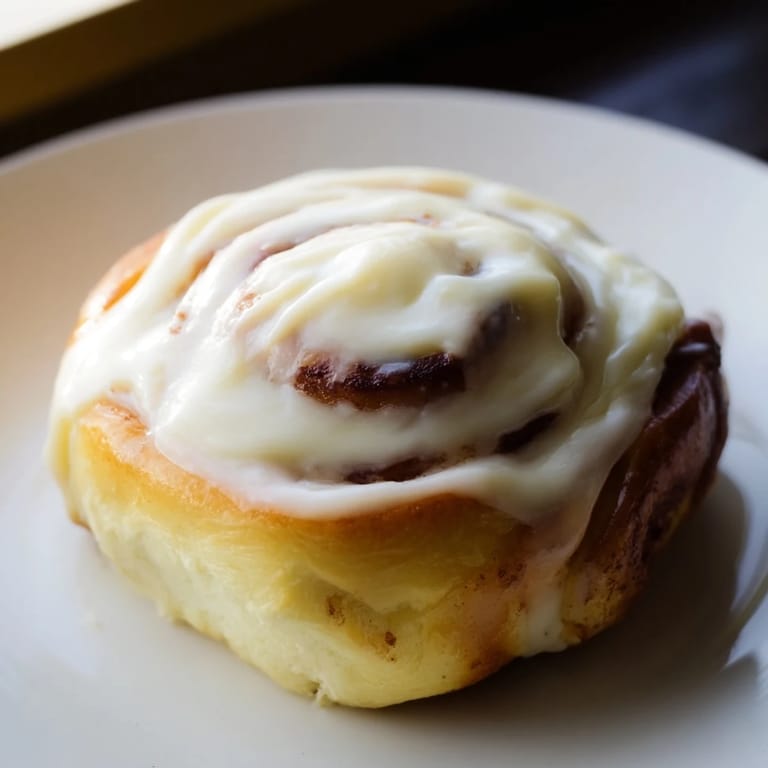
Save There's something about the smell of cinnamon rolls rising in the oven that makes a Saturday morning feel like a small celebration. I discovered these while experimenting with a basic dough formula, trying to capture that bakery-soft texture without all the fussing. What surprised me was how forgiving the dough became once I stopped overthinking the knead and just trusted the process. My kitchen smelled like caramelized sugar and warm butter for hours afterward, and it became impossible not to make them again.
I made these for my partner one winter morning when we'd been stuck indoors for days, and the moment they came out of the oven, everything shifted. We peeled one apart while it was still steaming, the layers unfolding like warm clouds, and ate straight from the baking dish without plates like we were seven years old again. That's when I knew this recipe was special enough to keep.
Ingredients
- All-purpose flour (4 cups): The backbone of your dough, measured by weight if you have a scale for the most reliable texture.
- Active dry yeast (2 1/4 tsp): Bloom this in warm milk first so you know it's alive and ready to work.
- Warm milk (1 cup): Should feel like a comfortable bath temperature, not hot enough to kill the yeast.
- Granulated sugar (1/3 cup): Part of the dough itself, which keeps the crumb tender and the rolls from drying out.
- Melted unsalted butter (1/3 cup): The secret to that soft, almost cloud-like texture you're chasing.
- Eggs (2 large, room temperature): Room temperature eggs blend into the dough more smoothly and help create structure.
- Salt (1 tsp): Intensifies the yeast flavor and balances the sweetness.
- Packed light brown sugar (2/3 cup): The filling's sweetness, with those molasses notes that make people ask what's different about yours.
- Ground cinnamon (2 1/2 tbsp): Don't skimp here—this is where the soul of the roll lives, so use good cinnamon if you can.
- Very soft unsalted butter (1/4 cup for filling): Soft enough to spread without tearing the dough, but not melted.
- Cream cheese (4 oz, softened): Brings tanginess and prevents the glaze from being one-note sweet.
- Unsalted butter (1/4 cup for glaze, softened): Adds richness without overwhelming the cream cheese.
- Powdered sugar (1 cup, sifted): Sifting matters here because lumps refuse to dissolve smoothly.
- Vanilla extract (1/2 tsp): Just enough to deepen the flavor without announcing itself.
- Milk for glaze (2-3 tbsp): Gets you to the right consistency, spreadable but not runny.
Tired of Takeout? 🥡
Get 10 meals you can make faster than delivery arrives. Seriously.
One email. No spam. Unsubscribe anytime.
Instructions
- Bloom the yeast:
- Pour warm milk into a large bowl, sprinkle yeast over it, add 1 tablespoon of sugar, and let it sit until it's foamy and smells alive. This takes about 5 to 7 minutes and tells you everything is working.
- Build the dough base:
- Stir in the remaining sugar, melted butter, eggs, and salt. Mix until you have a shaggy mixture that looks ready for flour to transform it.
- Bring it together:
- Gradually add flour, stirring as you go, until the dough becomes too thick to stir easily. Don't dump it all in at once or you'll have a flour cloud situation.
- Knead for smoothness:
- Turn the dough onto a floured surface and knead for 6 to 8 minutes until it's smooth, elastic, and no longer sticky to the touch. You'll feel it change under your hands.
- First rise:
- Place the dough in a greased bowl, cover it loosely with plastic wrap or a damp towel, and let it rest in a warm, quiet corner for about an hour until it's roughly doubled in size. A turned-off oven with the light on works perfectly.
- Roll and fill:
- Punch down the dough gently, turn it onto a floured surface, and roll it into a 16-by-12-inch rectangle. Spread the very soft filling butter evenly across, then sprinkle the cinnamon-sugar mixture in an even layer so every bite tastes the same.
- Roll tightly:
- Starting from a long edge, roll the rectangle up like you're making a log, keeping the tension firm but not aggressive. Pinch the seam closed so it doesn't unroll while rising.
- Cut and shape:
- Using a sharp knife or a length of unflavored dental floss (which works shockingly well for clean cuts), divide the log into 12 equal rolls. Floss works because it cuts without compressing the dough.
- Second rise:
- Arrange the rolls in a greased 9-by-13-inch baking dish in 3 rows of 4, cover loosely, and let them rise again for 35 to 45 minutes until they're nearly touching and look puffy. They should feel light and springy when you poke one gently.
- Bake:
- Preheat your oven to 350°F, then bake the rolls for 22 to 25 minutes until the tops are golden brown and a toothpick inserted into the center of a middle roll comes out clean or with just a crumb or two.
- Make the glaze:
- While the rolls bake, beat together softened cream cheese, softened butter, sifted powdered sugar, vanilla, and just enough milk to reach a spreadable consistency. It should be thick but pourable.
- Finish strong:
- Let the rolls cool for 10 minutes in the pan so they're warm but not so hot the glaze melts away. Spread the glaze generously over each roll and serve immediately while everything is still tender.
 Save
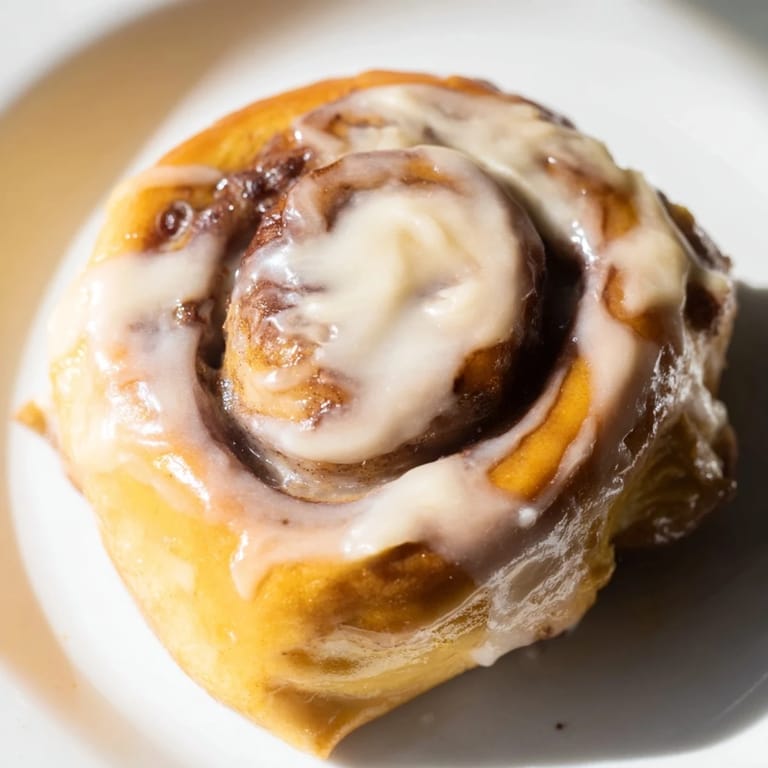
Save I once made these for a brunch potluck and someone asked for the recipe while their mouth was still full. That's the moment I realized they weren't just breakfast—they were the thing people would remember about the meal.
Why Room Temperature Ingredients Matter
Using eggs and milk at room temperature is one of those small details that feels fussy until you realize it completely changes how smoothly the dough comes together. Cold eggs resist blending into the wet ingredients, and cold milk can shock the yeast and slow fermentation before it even starts. Pulling your eggs and milk out a few hours before you bake takes no effort and makes everything work in your favor instead of against you.
The Cinnamon-Sugar Ratio
Getting the filling balance right is what separates rolls that taste like cinnamon with sugar to rolls where the cinnamon sings. I've learned that 2 1/2 tablespoons of cinnamon to 2/3 cup of brown sugar hits the sweet spot—enough cinnamon that you taste it in every layer without any bitterness. The soft butter acts as a binding agent so the mixture stays put during rolling and baking instead of leaking out the sides.
Storage and Make-Ahead Magic
These rolls have a built-in make-ahead advantage that feels almost unfair. You can shape them in the evening, cover them tightly, refrigerate overnight, and bake fresh the next morning with a room-temperature rise of about an hour. They also keep perfectly wrapped in the refrigerator for three days, and reheating one gently in a 300-degree oven for a few minutes brings it back to life.
- For overnight rolls, let them sit at room temperature for about an hour before baking so they're not baking from cold.
- If you're freezing baked rolls, wrap them well and they'll keep for a month, then refresh them in a low oven.
- The glaze is best applied to warm rolls, but if you're reheating, add it while they're still slightly warm so it sets beautifully.
 Save
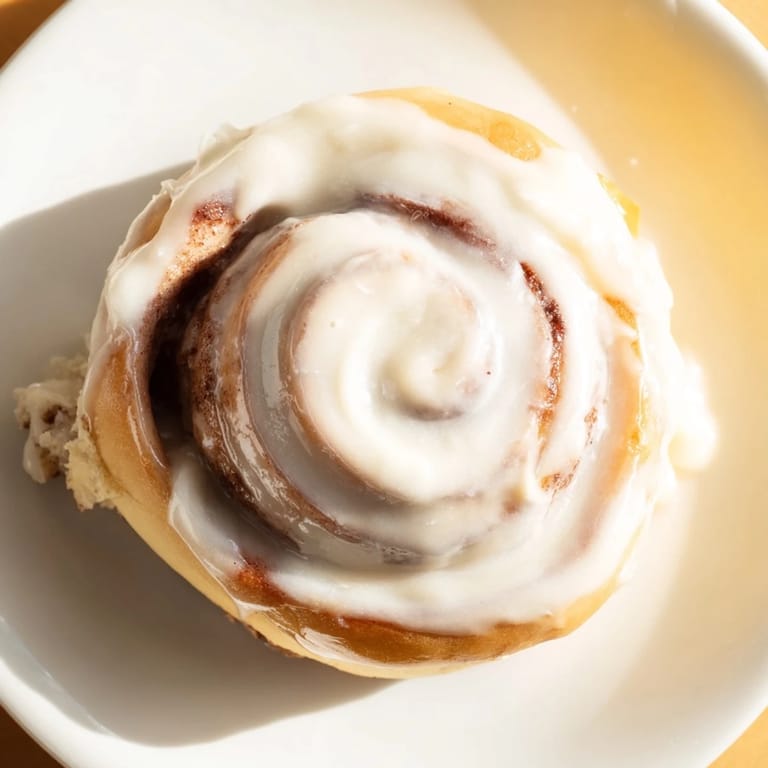
Save Make these rolls and you'll understand why people talk about homemade cinnamon rolls with such reverence. They're the kind of breakfast that changes a morning into something worth remembering.
Recipe Questions
- → What makes the cinnamon rolls soft and fluffy?
The dough is kneaded well and left to rise twice, allowing the yeast to create air pockets for a tender, airy texture after baking.
- → Can I prepare the rolls in advance?
Yes, after shaping the rolls, you can refrigerate them overnight and let them rise at room temperature for an hour before baking.
- → What is the best way to ensure a rich cinnamon filling?
Using a good quality cinnamon blended with light brown sugar and softened butter creates a moist and flavorful swirl inside the rolls.
- → How do I achieve the creamy glaze consistency?
Beat cream cheese, butter, powdered sugar, vanilla, and milk together until smooth and spreadable, adjusting milk to reach the right texture.
- → Are there suggestions for variations or additions?
Chopped pecans or raisins can be added to the filling for extra texture and flavor.