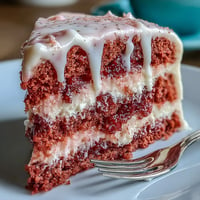
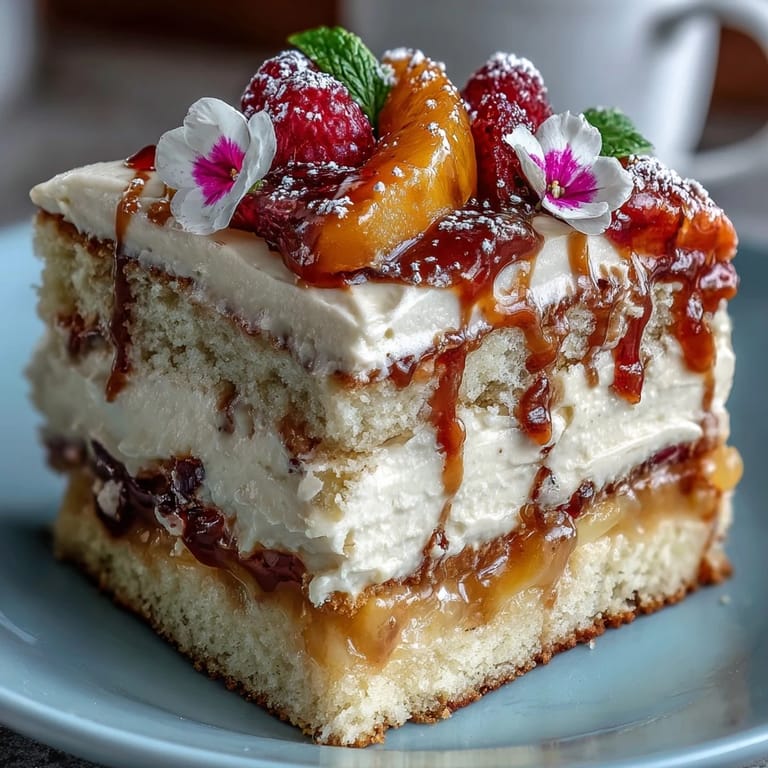
 Save
Save My sister called me in a panic three days before her spring birthday, asking if I could bake something that felt like the season itself — bright, cheerful, nothing heavy. I found myself standing in my kitchen on a Tuesday afternoon, thinking about how a simple vanilla cake could become something magical with just the right filling. The moment I cracked open those lemons and caught that sharp, sweet perfume, I knew exactly what to make: a tender sheet cake layered with homemade lemon curd so tangy it makes your mouth water, then topped with clouds of whipped cream. It wasn't fancy or complicated, just honest and alive.
What I remember most vividly is watching my sister take that first bite at her party, her eyes closing for just a moment like she'd tasted something unexpected. My nephew asked for a second slice before anyone else had finished their first, which felt like the highest compliment a nine-year-old could offer. That's when I realized this cake had become less about following a recipe and more about creating a moment that people would actually remember.
Ingredients
- All-purpose flour (2 ½ cups): Use fresh flour if you can; old flour that's been sitting in your pantry for months absorbs moisture differently and can make your cake dense instead of tender.
- Baking powder and baking soda (2 ½ tsp and ½ tsp): These are your leavening agents that create that soft, pillowy crumb; check your baking powder for freshness by adding a pinch to warm water and watching it fizz.
- Salt (½ tsp): This small amount isn't about making things salty — it enhances sweetness and balances the tang of the lemon.
- Unsalted butter (1 cup for cake, ¼ cup for curd): Room temperature butter creams properly with sugar to trap air; cold butter won't incorporate and you'll miss that fluffy texture.
- Granulated sugar (2 cups): The foundation of your cake's structure and sweetness; it also helps incorporate air when beaten with butter.
- Eggs (4 large, room temperature): Cold eggs won't blend smoothly into your batter and can create an uneven crumb; pull them from the fridge 30 minutes before baking.
- Vanilla extract (1 tbsp): Pure vanilla, not imitation, makes a noticeable difference in how the cake tastes when it's cool and the butter flavor comes through.
- Whole milk (1 cup, room temperature): This adds moisture and tenderness; cold milk can shock your batter and affect how it rises.
- Lemon zest (1 for cake, 2 for curd): The zest carries the most flavor, so don't skip it; use a microplane and you'll get bright, fragrant pieces rather than those tough shreds from a box grater.
- Egg yolks (4 for curd): These are what transform lemon juice into silky, thick curd through gentle heat and constant stirring.
- Fresh lemon juice (⅓ cup): Fresh is non-negotiable here; bottled juice tastes bitter and thin by comparison.
- Heavy cream (2 cups, chilled): Cold cream whips faster and holds its peaks better, giving you that fluffy frosting texture.
- Powdered sugar (½ cup): This dissolves instantly into whipped cream, unlike granulated sugar which can make the frosting grainy.
- Fresh berries and edible flowers: These aren't just decoration — they add a fresh brightness and make people smile before they even taste the cake.
Tired of Takeout? 🥡
Get 10 meals you can make faster than delivery arrives. Seriously.
One email. No spam. Unsubscribe anytime.
Instructions
- Set the stage:
- Preheat your oven to 350°F and grease your 9x13-inch pan with butter, then line it with parchment paper so your cake releases without sticking. You'll want your oven hot and ready before you pour the batter, because timing is everything with cakes.
- Combine the dry ingredients:
- Whisk together your flour, baking powder, baking soda, and salt in a medium bowl, making sure there are no lumps hiding in the corners. This step prevents streaks of baking soda from appearing in your finished cake.
- Cream the butter and sugar:
- Beat softened butter and sugar together with an electric mixer for 3 to 4 minutes until it looks pale, fluffy, and almost mousse-like. This is where the magic starts — you're literally whipping air into the mixture, which is what makes your cake rise and feel light.
- Add eggs one at a time:
- Drop in one egg, beat until it's fully incorporated and you can't see any streaks of yellow, then add the next. This gradual approach helps the batter emulsify properly instead of looking curdled and broken.
- Stir in vanilla and lemon zest:
- Mix these in until you smell that bright lemon throughout the batter. The vanilla deepens the flavor even though you won't taste it directly.
- Alternate dry and wet ingredients:
- Add about a third of your dry mixture, stir, then add about half your milk, stir, then another third of flour, all your remaining milk, then the last of the flour, stirring just until combined. Starting and ending with flour prevents the batter from becoming too wet and tough.
- Bake the cake:
- Pour the batter into your prepared pan, smooth the top with a spatula, and bake for 28 to 32 minutes — you'll know it's done when a toothpick inserted in the center comes out clean with just a few moist crumbs clinging to it. Let it cool completely in the pan on a rack before you even think about moving it.
- Make the lemon curd while you wait:
- Whisk egg yolks, sugar, lemon juice, and zest together in a small saucepan and cook over medium-low heat, stirring constantly for about 5 to 7 minutes until it thickens enough to coat the back of a spoon. Remove it from heat and whisk in the butter pieces until they melt into the curd, then press plastic wrap directly onto the surface and refrigerate until cold.
- Whip the cream frosting:
- Pour cold heavy cream into a chilled bowl, add powdered sugar and vanilla, and whip with an electric mixer until stiff peaks form — when you lift the beaters, the cream should stand straight up. Don't overbeat or you'll end up with butter, which I learned the hard way.
- Slice the cake into layers:
- Once everything is cool, use a long serrated knife and a gentle sawing motion to carefully cut the cake horizontally into two layers. A chill in the freezer for 30 minutes makes this easier if your cake is soft.
- Assemble with lemon curd:
- Lift off the top layer, spread the chilled lemon curd evenly over the bottom layer, then carefully replace the top. The curd should be cold enough that it doesn't squish around.
- Frost and decorate:
- Spread the whipped cream frosting across the top and sides of your cake, then scatter fresh berries, edible flowers, or lemon zest curls across the top. Step back and admire it for a moment — you've just made something beautiful.
- Chill before serving:
- Refrigerate the assembled cake for at least an hour, or even overnight, so the layers set and you get clean slices instead of a crumbly mess.
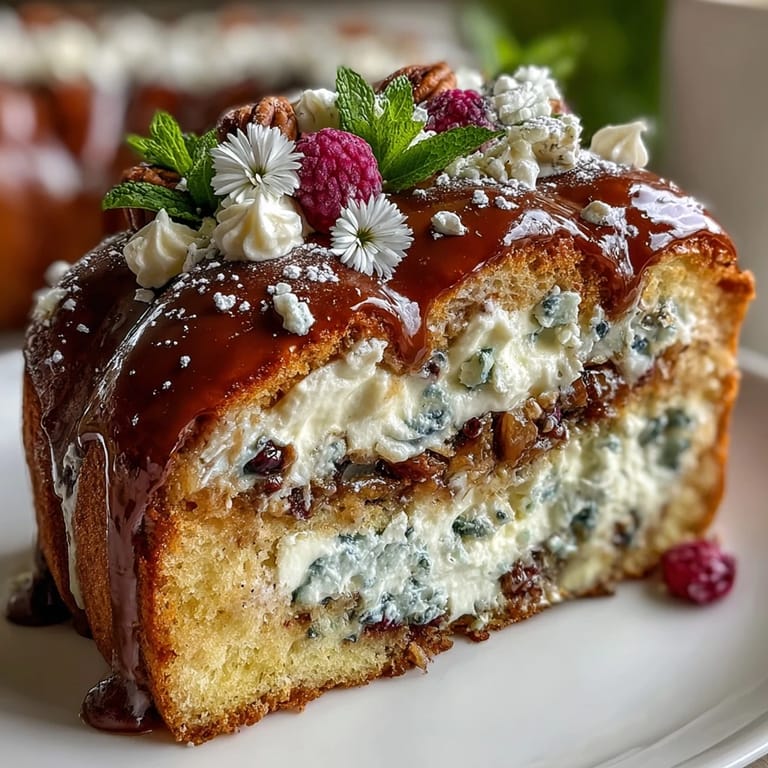 Save
Save My brother-in-law, who usually just nods politely at dessert and moves on, actually asked me to write down the recipe. That moment told me this cake had crossed from being a nice treat into something people would want to recreate in their own kitchens, which is the highest compliment any recipe can receive.
Why Homemade Lemon Curd Changes Everything
The first time I made lemon curd from scratch instead of buying a jar, I understood why it matters so much. Store-bought versions often taste one-dimensional — sometimes too sweet, sometimes too sour, always a little bit artificial. Homemade curd tastes alive; the lemon flavor develops complexity as it cooks, and the butter makes it luxuriously smooth. You're in control of how tangy it is, which means you can make it exactly the way you like it.
The Art of Slicing Layer Cakes
I used to dread slicing cakes into layers, convinced I'd end up with one giant piece and a million crumbs. Then I learned that a long serrated knife and patience are your friends, but so is temperature. A cake that's been in the freezer for 30 minutes or even overnight cuts so much cleaner than a room-temperature cake because the crumb is set and firm. Mark your halfway point with a toothpick on the side of the cake so you know where to aim the knife, then use a gentle sawing motion rather than trying to push down.
Making This Cake Your Own
The beauty of this recipe is that it's a foundation, not a prison. You can brush each cake layer with a simple lemon syrup (equal parts lemon juice and sugar, warmed together) before assembling for extra moisture and flavor. Some people add a tablespoon of poppy seeds to the batter for texture, or substitute a little almond extract for half the vanilla. If fresh berries aren't available, candied lemon slices or a simple dusting of powdered sugar look just as elegant.
- Try adding a splash of liqueur like limoncello or elderflower cordial to the whipped cream frosting for a grown-up version.
- Make mini cakes in a muffin tin using the same batter and curd — they bake in about 18 minutes and look stunning individually plated.
- If you're short on time, jarred lemon curd works perfectly and no one will judge you for taking that shortcut.
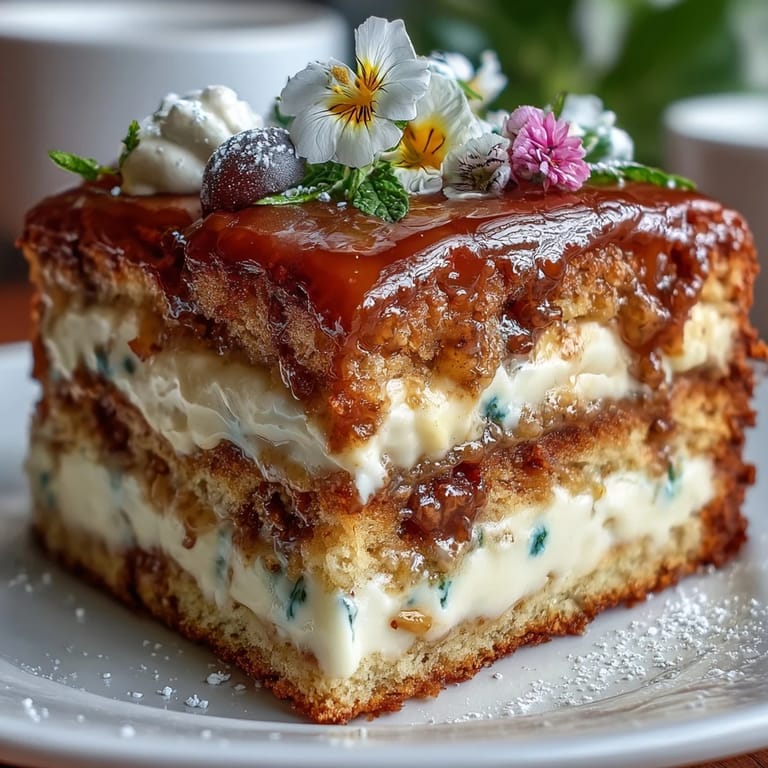 Save
Save This cake became something I make whenever I want to remind someone they're worth celebrating, whether it's a birthday or just a Tuesday that needs a little brightness. There's real joy in the simplicity of it.
Recipe Questions
- → How do you achieve a tender vanilla crumb?
Creaming butter and sugar thoroughly creates air pockets that help produce a soft, tender crumb in the cake.
- → What’s the best way to make smooth lemon curd filling?
Constant whisking over medium-low heat prevents curdling and ensures a thick, smooth lemon curd texture.
- → How can I keep the whipped cream frosting stable?
Chill the cream well and beat to stiff peaks; adding powdered sugar helps stabilize and sweeten the frosting.
- → What tips help with clean cake slicing?
Chilling the assembled cake thoroughly and using a serrated knife make for clean, precise layers when slicing.
- → Can I substitute store-bought lemon curd?
Yes, substituting store-bought lemon curd saves time and still delivers the bright citrus flavor.