 Save
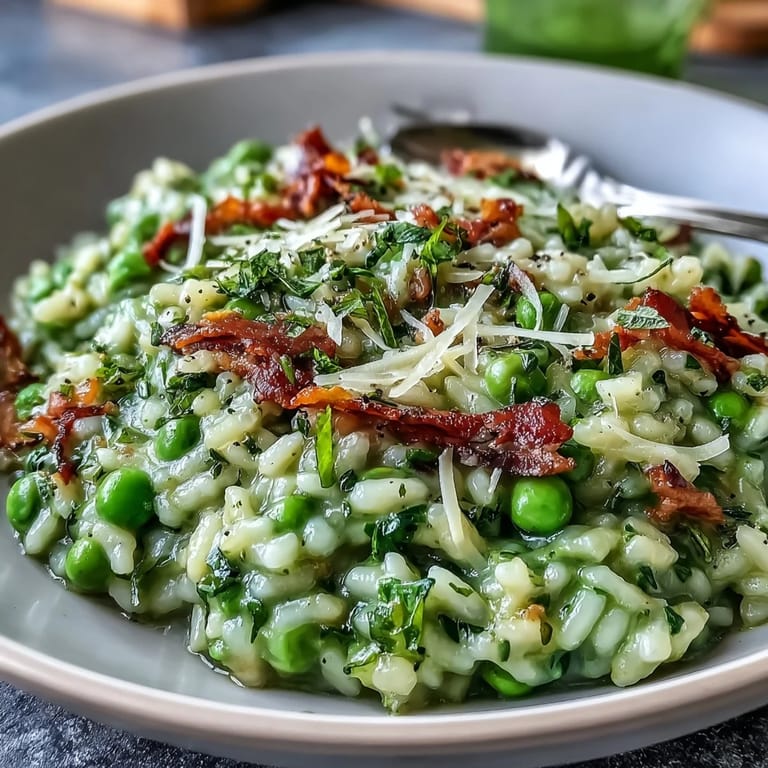
Save When the first real snap of warmer weather hits, I find myself craving something green and fresh, but still a little indulgent. One particular evening, as light lingered a bit longer than usual, I opened my windows wide and decided to give my usual risotto a spring twist. The air was slightly sweet and earthy from the bunch of peas I’d found at the market that morning. I had just a handful of mint from my windowsill planter and enough Parmesan to be generous. By the time dinner was finished, I was convinced spring had finally arrived—on my plate.
I remember making this dish for a small group of friends, each of us gathering around my kitchen island, wine glasses in hand, pitching in to stir as conversation swirled. We debated the best cheese and whether mint belonged (it does), but everyone agreed on the unmistakable brightness those peas bring. Someone accidentally dropped a ladle, laughter echoing, but not a single grain of Arborio was lost. When we finally sat down, bowls steaming, it felt less like a dinner party and more like a communal celebration of the season. Breaking bread over this dish turned friends into a team—at least for the night.
Ingredients
- Spring peas (1 1/2 cups): Sweet, plump peas make the risotto sing; if using frozen, no need to thaw, just add straight to the rice.
- Shallot (1 medium, finely chopped): Its mild flavor softens beautifully, building the base for every spoonful; chop it as fine as patience allows.
- Garlic (2 cloves, minced): Adds backbone and aroma—watch that it doesn’t brown, or it’ll turn bitter.
- Fresh mint (2 tablespoons, finely chopped): Just enough for a burst of brightness; save a little for sprinkling on top if you want extra spring scent.
- Lemon zest (Zest of 1 lemon): The zest wakes up all the flavors before the final stir—use a microplane for paper-thin strips.
- Arborio rice (1 1/2 cups): Its creaminess makes the dish; don’t rinse, or you’ll lose that signature texture.
- Low-sodium vegetable broth (4 cups): Warming the broth keeps the rice cooking evenly as you ladle it in, and lets you control the salt.
- Dry white wine (1 cup): Adds subtle acidity and depth; I go for Sauvignon Blanc, and pour myself a glass while cooking too.
- Olive oil (2 tablespoons): For that silky first layer of flavor when sautéing the shallot and garlic.
- Unsalted butter (3 tablespoons): Stirred in at the end for extra silkiness—let it melt in completely.
- Aged Parmesan cheese (3/4 cup, finely grated): For all the savoriness; grate freshly if you can because it melts better.
- Kosher salt (1/2 teaspoon, plus more to taste): Always season in stages; it disappears fast in the rice.
- Freshly ground black pepper (1/4 teaspoon): Adds warmth without overpowering the green flavors—crack fresh for the best result.
Tired of Takeout? 🥡
Get 10 meals you can make faster than delivery arrives. Seriously.
One email. No spam. Unsubscribe anytime.
Instructions
- Warm the broth:
- Pour your vegetable broth into a saucepan and keep it just below a simmer on low heat; this way, each addition melts right in.
- Sauté the aromatics:
- In your largest skillet or Dutch oven, heat olive oil and add shallot and garlic, letting the kitchen fill with a gentle perfume as they soften for about two minutes.
- Toast the rice:
- Toss in Arborio rice, stirring well until each grain shines and you hear the faintest sizzle; this toasting step is where flavor begins.
- Add the wine:
- Pour in the wine gently, stirring, listening for the bubbles and letting the aroma lift up as it disappears into the rice.
- Stir in the broth, bit by bit:
- Ladle in warm broth a scoop at a time, stirring slowly and patiently so the rice stays creamy; don’t rush—let the grain absorb each addition before the next.
- Introduce the peas:
- Once about half the broth is gone (after 15 minutes), fold in the peas, letting them keep their pop of green as the risotto turns silkier and more luscious.
- Finish with flavor:
- When the rice is al dente and the mixture looks luxurious, take it off the heat and quickly stir in butter, Parmesan, mint, and lemon zest—taste and adjust salt and pepper just how you like it.
- Serve immediately:
- Ladle into warm bowls, then top with extra Parmesan and mint; savor while it’s still creamy and piping hot.
 Save
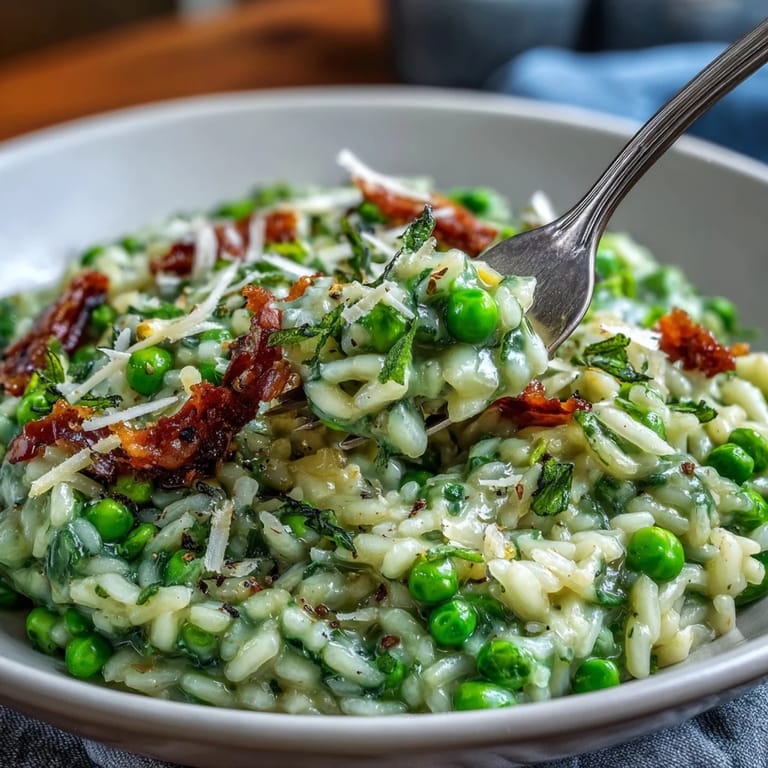
Save After sharing this risotto at a family picnic—picnic blanket, wildflowers, clattering forks and all—I watched my niece pause mid-bite, then demand the recipe for her next night in college. It was that satisfying moment when I realized this dish isn’t just springy comfort food—it’s an open invitation to share a little joy, whatever the season.
Troubleshooting Creamy Risotto
The biggest lesson I learned (the hard way) was how easy it is to undercook or overcook rice; listen to your senses. Arborio should still have a little bite, and the risotto should slowly spread out on a plate, not clump into a heap. When in doubt, err on the side of more liquid and flexibility—the final dish will forgive you. Patience and constant stirring are your allies here.
Why Freshness Matters
There’s nothing quite like biting into sweet fresh peas alongside zesty mint—frozen peas work, but peak-season produce takes this over the top. Even small bunches of fresh herbs from the garden or market lend a complexity dried ones just can’t manage. Keep your Parmesan freshly grated too; it melts better and tastes cleaner. Taking care with each ingredient makes the end result truly memorable.
Last Little Flourishes That Change Everything
Sometimes a single finishing touch can make all the difference—a wisp of lemon zest or an extra knob of butter stirred in at the very end. I’ve found risotto is friendliest when served piping hot, but gently loose, almost as if it wants to flow off your spoon. Keep toppings simple, let the season shine, and savor your handiwork.
- Don’t be shy with herbs; taste as you go to balance flavors.
- If you like it richer, a swirl of cream or drizzle of olive oil works wonders before serving.
- Pairing with a crisp white wine truly wakes up all the flavors in your bowl.
 Save
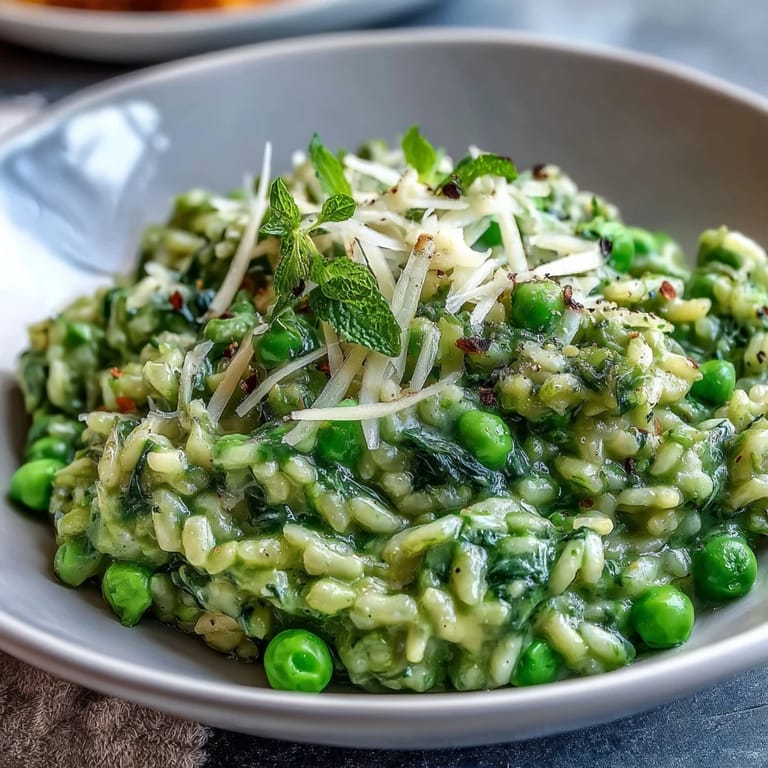
Save When you need to taste spring, one bowlful of this risotto brings it all home. Share it, stir it, tweak it to your mood, and let every spoonful remind you that vibrant meals start with just a few fresh, friendly ingredients.
Recipe Questions
- → How do I keep the risotto creamy?
Use warm broth, stir steadily to release the rice's starch, and finish with butter and aged Parmesan off the heat. Avoid adding all the liquid at once and resist overcooking the grains.
- → Can I use frozen peas?
Yes. Add frozen peas about 15 minutes into cooking; they'll thaw and cook through quickly while keeping their texture and color. No need to fully defrost beforehand.
- → What kind of wine should I use?
A dry white like Pinot Grigio or Sauvignon Blanc works well for deglazing and brightness. If avoiding alcohol, replace the wine with an equal amount of warm broth.
- → How can I make the risotto extra creamy?
Stir vigorously to coax out starch, finish with an extra pat of butter or a splash of heavy cream off the heat, and use well-aged cheese for a silky texture.
- → Can I swap the Parmesan for another cheese?
Pecorino lends a sharper, saltier note and works nicely as a substitute. Adjust salt to taste when using stronger cheeses.
- → How do I know when the rice is al dente?
Taste a few grains after 18–20 minutes: they should be tender but still offer a slight bite at the center. Continue adding broth and stirring until you reach that texture.