 Save
Save My first venison steak came courtesy of a friend who'd spent the morning hunting on Scottish moorland, and she handed me the package with a knowing grin, saying I'd understand why venison deserved respect once I tasted it properly cooked. That evening, standing at my stove with the meat warming to room temperature, I felt the weight of that challenge in a way I hadn't expected. The kitchen smelled alive with thyme and olive oil before I'd even lit the burner, and somehow I knew this wasn't going to be an ordinary dinner. What started as culinary nervousness turned into something close to meditation, watching the steaks develop that dark mahogany crust while the swede bubbled away in another pot, two completely different worlds coming together on one plate.
I made this for my partner on the first properly cold night of November, when the temperature had finally dropped enough that we both craved something substantial and warming. He walked in as the pan was screaming hot, and the venison hit it with that magnificent sizzle that makes you stand a little taller in the kitchen. When he tasted it, he went quiet for a moment, which was all the answer I needed.
Ingredients
- Venison steaks (4, about 150–180 g each): Venison is leaner than beef but more forgiving than you'd think if you're not rushing the cooking. Pat them completely dry before seasoning because moisture is your enemy here.
- Olive oil (1 tbsp): Use a good one you actually like tasting, nothing rancid or tired from the back of your cupboard.
- Fresh thyme leaves (2 tsp): Strip these from the stems yourself if you can; dried thyme will work but tastes like the ghost of a memory instead of the real thing.
- Salt and freshly ground black pepper: Go generous with seasoning venison because it can handle it and needs it.
- Swede (1 large, about 900 g peeled and diced): Choose one that feels heavy for its size, a sign it's had time to develop proper sweetness.
- Unsalted butter (40 g): This is where you taste the difference between good butter and ordinary butter, so choose accordingly.
- Double cream (2 tbsp): Milk works if that's what you have, but double cream creates a mash that tastes like it belongs at a proper dinner table.
- Caraway seeds (1 tsp): Toast these yourself; the moment they smell warm and slightly nutty, you've got them right.
- Red wine (100 ml, optional for sauce): Use something you'd actually drink, nothing you're trying to hide away in a pan.
- Beef or game stock (100 ml, optional): Homemade tastes noticeably better, but quality shop-bought won't betray you here.
- Redcurrant jelly (1 tsp, optional): This adds a subtle sweetness and glossy finish that seems small until you taste how it balances everything.
- Cold butter (1 tsp for sauce, optional): Keep this separate from your main butter to finish the sauce; it creates a silkiness you can't achieve any other way.
Tired of Takeout? 🥡
Get 10 meals you can make faster than delivery arrives. Seriously.
One email. No spam. Unsubscribe anytime.
Instructions
- Get your swede cooking first:
- Bring a large pot of salted water to a rolling boil and add your diced swede, letting it cook for 20–25 minutes until it's so tender a fork slides through without resistance. You're looking for soft enough to mash but not disintegrating into the water.
- Prepare the venison while it simmers:
- Pat your steaks dry with paper towels, rub them all over with olive oil, scatter the thyme leaves across both sides, and season generously with salt and pepper. Let them sit at room temperature for a few minutes so they come to the party evenly heated.
- Toast the caraway:
- In a dry pan over medium heat, tumble the caraway seeds around for 1–2 minutes until they smell warm and fragrant, almost nutty. This one small step transforms them from a spice into something that actually tastes like something.
- Make the mash:
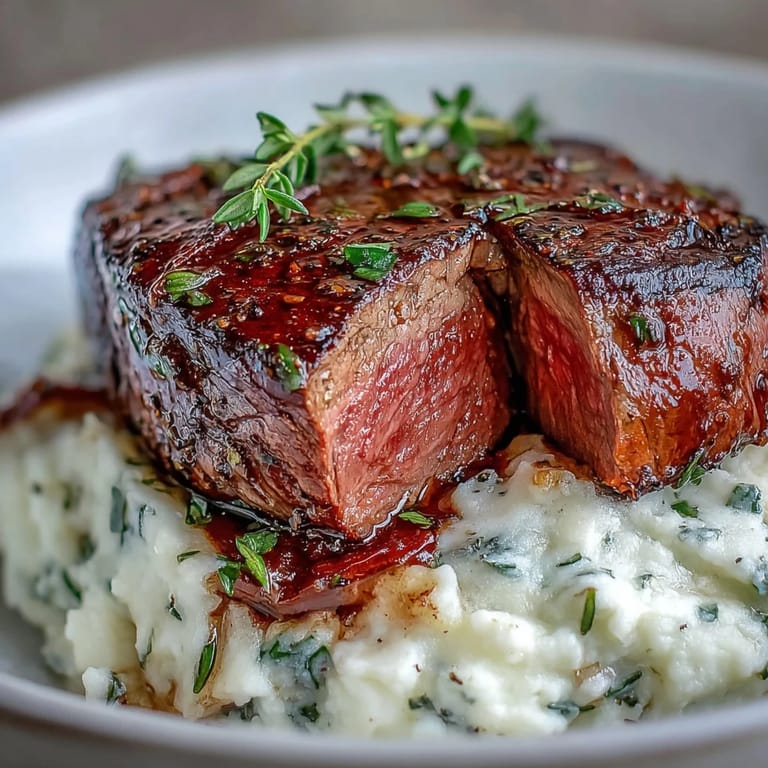
- Drain your swede thoroughly and return it to the empty pot, then add the butter, cream, toasted caraway seeds, and season with salt and pepper. Mash it to a rustic texture where you can still see little flecks of swede but it comes together into something creamy and inviting.
- Sear the venison with confidence:
- Heat your skillet or griddle pan until it's genuinely hot, then lay the steaks down and leave them alone for 2–3 minutes per side for medium-rare. Resist the urge to poke them constantly; just trust the sizzle.
- Rest and recover:
- Transfer the cooked steaks to a warm plate and cover them loosely with foil, giving them 5 minutes to relax and redistribute their juices. This is what separates a dry steak from one that tastes like something worth eating.
- Make the sauce (if you're using it):
- Pour the red wine into the same pan you used for the venison, scraping up all those caramelized bits stuck to the bottom. Add the stock and redcurrant jelly, let it bubble down until it looks glossy and concentrated, then whisk in the cold butter off the heat and taste it, adjusting seasoning as you go.
- Bring it all together:
- Spoon the warm caraway swede mash onto plates, nestle the rested venison steaks on top, and drizzle the sauce over everything. It should look intentional and thoughtful, not rushed.
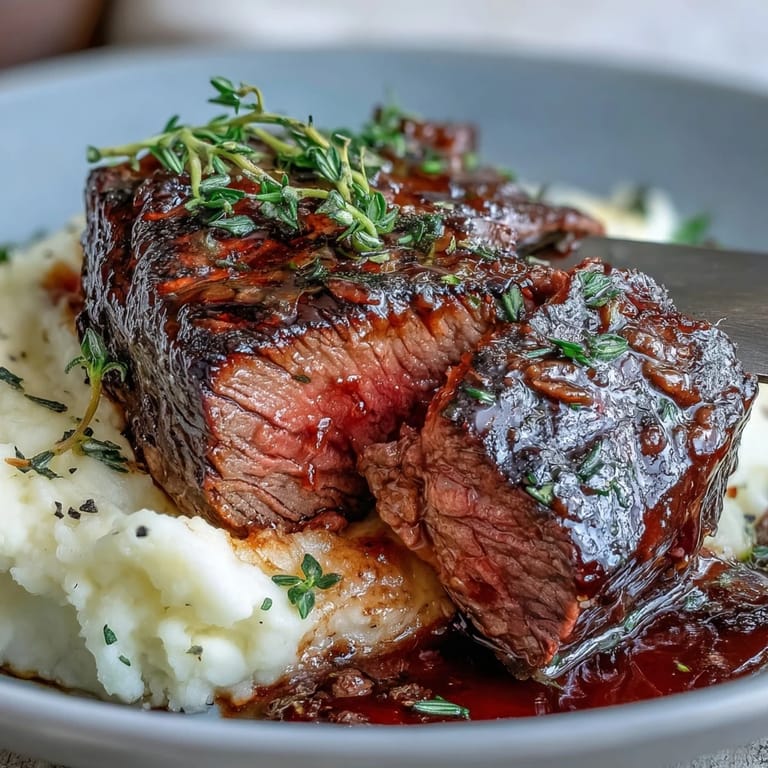 Save
Save There's a moment, about halfway through eating this dish, when the flavors all click into place and you suddenly understand why people have been eating venison and root vegetables together for centuries. It's not fancy because it's complicated; it's fancy because it knows exactly what it is.
Choosing Your Venison
Venison steaks should feel firm and smell clean, almost iron-y in the best way. Ask your butcher where the venison comes from and how recently it was cut; you want something with a deep burgundy color, not pale or browning at the edges. Farm-raised venison tends to be milder and more predictable than wild, which can be an advantage if you're cooking for someone who's never tried it before.
The Swede, The Star You're Not Expecting
Swede gets overlooked so often that people forget it's absolutely delicious when treated with actual attention. This root vegetable has a natural sweetness that the caraway brings into focus, and somehow the combination tastes both comforting and slightly adventurous at the same time. If you can't find swede, celeriac or parsnip will work beautifully, though each one will shift the flavor in its own direction.
Building Layers of Flavor
This dish works because nothing competes for attention; everything has its moment. The thyme on the venison whispers rather than shouts, the caraway in the swede adds complexity without overwhelming, and if you make the sauce, the redcurrant jelly provides just enough sweetness to balance the wine's tannins. Think of it as a conversation where everyone gets to speak.
- If you want extra richness and warmth in the swede mash, add a pinch of nutmeg right before serving.
- Sautéed winter greens or roasted parsnips make perfect companions on the plate, adding color and another texture to contrast with the creamy mash.
- Don't be shy with the resting time for the venison; those five minutes genuinely matter.
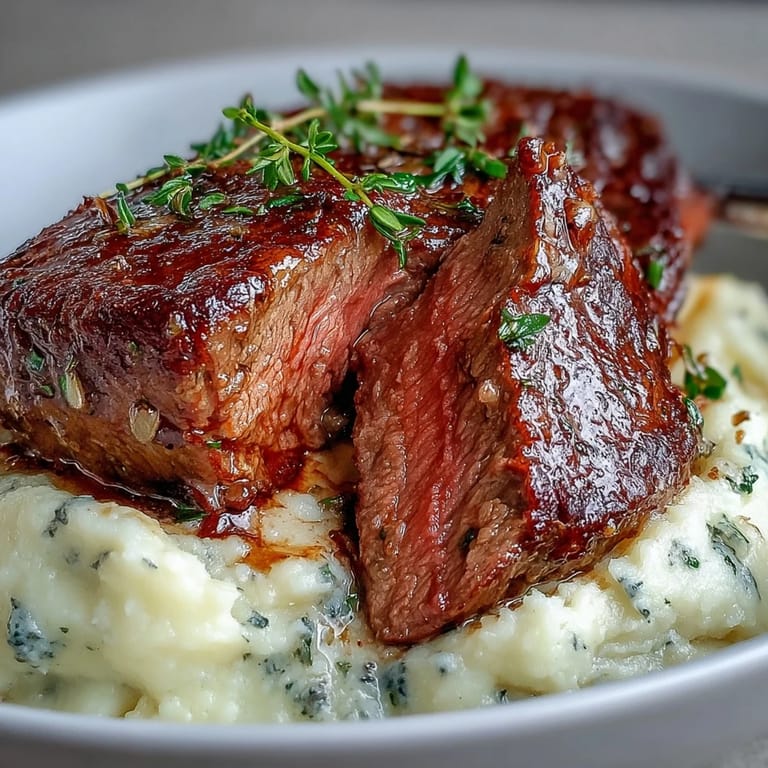 Save
Save Serve this with a glass of something bold and red—Syrah or Malbec—and watch how the meal transforms into something you'll want to make again before winter even ends. There's something deeply satisfying about a plate that looks this good and tastes even better.
Recipe Questions
- → What cut of venison works best for this dish?
Tender cuts like loin or haunch steaks work beautifully. Look for steaks about 150-180g each with minimal connective tissue for quick pan-searing.
- → Can I substitute the swede with another root vegetable?
Yes, parsnip or celeriac make excellent alternatives. You can also use a combination of half swede and half parsnip for a sweeter, more complex flavor profile.
- → How do I know when venison is cooked properly?
Venison is best served medium-rare to medium. Use a meat thermometer for accuracy: 55-57°C for medium-rare, 60-63°C for medium. The meat should feel slightly springy when pressed.
- → What makes caraway seeds pair well with swede?
Caraway's earthy, slightly anise-like flavor complements the sweet, peppery notes of swede beautifully. Toasting the seeds enhances their warmth and aromatic qualities.
- → Can this dish be prepared ahead of time?
The crushed swede can be made up to 2 hours ahead and kept warm, or reheated gently with a splash of cream. Cook the venison steaks just before serving for best texture and flavor.
- → What wine pairs best with venison and caraway?
A robust red wine like Syrah, Malbec, or Côtes du Rhône complements the rich, gamey meat and earthy caraway beautifully. The wine's tannins balance the dish's richness.