 Save
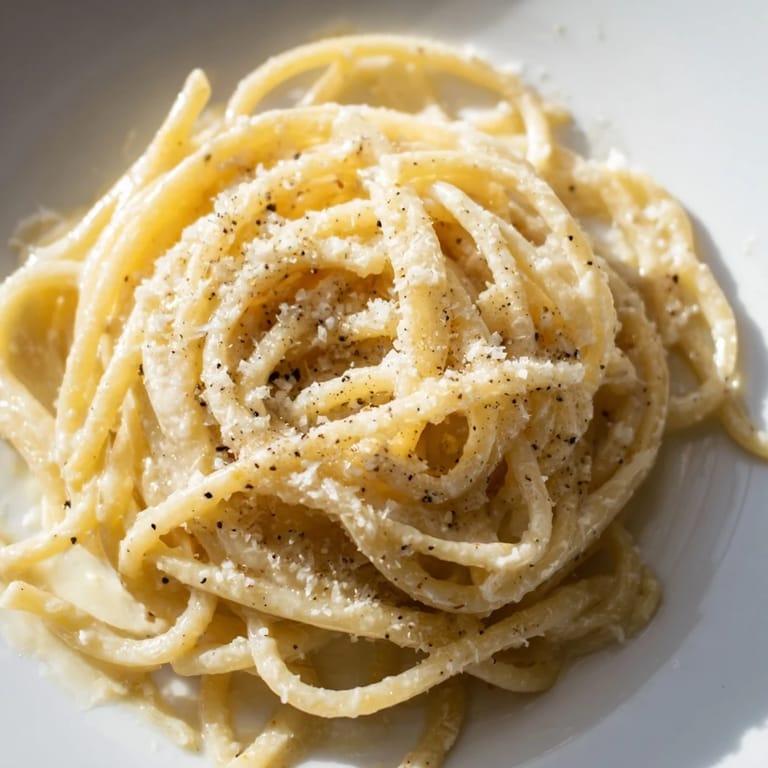
Save There's a Tuesday night I'll never forget when my roommate stumbled into the kitchen after a brutal day at work, opened the fridge, and found almost nothing. We stood there staring at butter, Parmesan, and a box of pasta, and she laughed—not the defeated kind, but the kind that meant she was about to figure something out. Fifteen minutes later, we were eating the creamiest, most ridiculously simple pasta either of us had ever made. No cream, no fancy ingredients, just three things and a little kitchen magic.
I've made this dish probably fifty times now, and it never gets old. Once I served it to my friend who'd been vegan for three years, then decided cheese was worth it again, and watching her eat that first bite—eyes closed, completely silent—told me everything I needed to know about comfort food. It's the kind of pasta that doesn't need an occasion. It just needs a appetite and about twenty minutes.
Ingredients
- Dried pasta (200 g): Any shape works, but longer noodles like spaghetti, linguine, or fettuccine actually hold the sauce better than you'd expect. Pick whatever you have, but cook it until it's actually tender—there's no benefit to al dente when your sauce is this delicate.
- Unsalted butter (50 g): This is non-negotiable because salt in butter throws off the balance; room temperature butter mixes smoother, but cold butter works if you're patient with the tossing.
- Freshly grated Parmesan cheese (60 g): Pre-grated cheese has anti-caking agents that make the sauce grainy instead of silky, so genuinely grate it yourself if you can. The difference is shocking.
- Reserved pasta water (60–80 ml): This starchy liquid is what transforms butter and cheese into an actual sauce; it's not a mistake, it's the entire point.
- Salt and black pepper: Taste as you go because you're building the seasoning from scratch here.
Tired of Takeout? 🥡
Get 10 meals you can make faster than delivery arrives. Seriously.
One email. No spam. Unsubscribe anytime.
Instructions
- Boil the pasta:
- Fill a large pot with water—enough that the pasta can move around freely—and salt it so it tastes like the sea. Once it's rolling at a hard boil, add the pasta and stir occasionally so nothing sticks. When it's done (usually 8–12 minutes depending on shape), fish out a piece and taste it; you want tender but not mushy.
- Save the magic water:
- Before you drain anything, use a measuring cup to scoop out about 150 ml of the cooking water and set it aside; this starchy liquid is what will turn everything creamy in a moment. Drain the rest of the pasta, but don't rinse it.
- Toss everything off heat:
- Return the hot pasta to the empty pot (away from the heat so the butter doesn't brown and taste weird). Drop in the butter and toss everything constantly for about a minute until the butter coats each strand. The residual heat will melt it perfectly.
- Build the sauce:
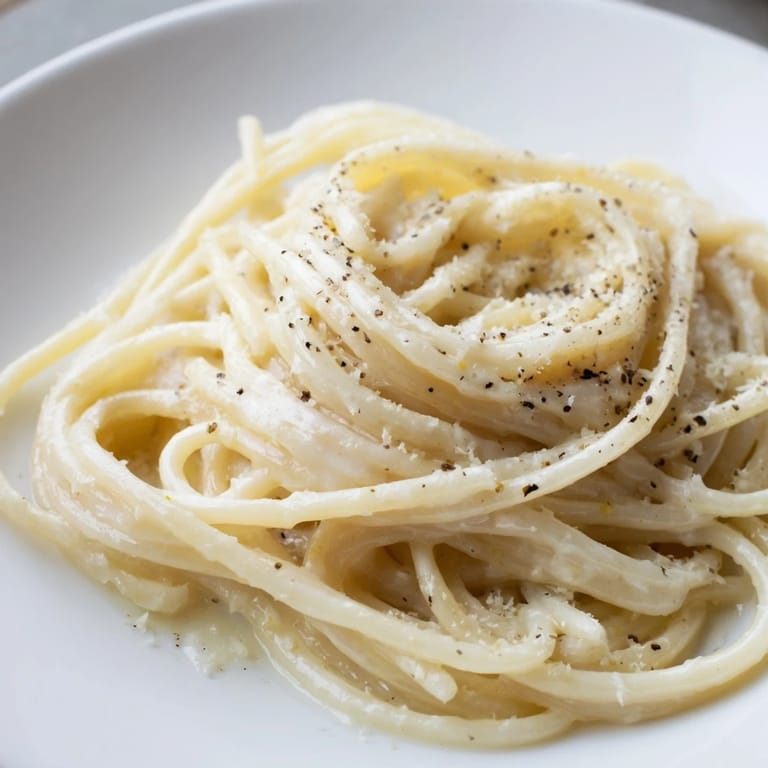
- Sprinkle in the Parmesan while tossing, then slowly add the reserved pasta water—start with about 60 ml and watch it happen. The starch from the water plus the friction from tossing will emulsify into a silky cream, almost like magic. If it looks too thick, add a splash more water; if it's too thin, toss more vigorously to release starch.
- Season and serve:
- Taste a strand, adjust salt and pepper, then plate it immediately while the sauce is still glossy. A little extra Parmesan on top never hurt anyone.
 Save
Save I made this for my dad once when he was sick and didn't want anything heavy, and he ate it quietly, then asked for seconds without making a fuss. That's when I realized this wasn't just a lazy recipe—it was a gentle one, the kind that reminds you food doesn't have to be complicated to matter.
Why Less Is Actually More
There's a lesson in this dish that applies to more than just cooking. When you strip away everything except the essentials, what's left has to be really good, and somehow that forces you to be more thoughtful about each ingredient. I've learned to taste the butter—like, actually taste it—and to notice when Parmesan is sharp or creamy. You can't hide behind technique or flourish when you've only got three components, so you learn to respect them.
The Ritual of the Toss
There's something almost meditative about standing at the stove, tongs in hand, tossing hot pasta and watching the sauce come together. It takes maybe two minutes from start to finish, but somehow it feels intentional—not rushed, just focused. My roommate says it's her favorite part, that it feels like you're actually making something instead of just heating it up.
Variations and Next Steps
Once you nail the basic version, this dish becomes a canvas. I've added everything from a whisper of nutmeg to fresh herbs like parsley or basil, and each version tastes like a different memory. Some nights I use Pecorino Romano for a sharper kick, other times I'll tear in some lemon zest at the end. The core technique stays the same, but the feeling never does.
- A small pinch of nutmeg or fresh lemon zest makes it feel fancy without any extra effort.
- Fresh herbs like parsley, basil, or even chives stirred in at the end add brightness and taste like summer, even in winter.
- Pecorino Romano gives you a sharper, almost salty edge that changes the whole mood of the dish.
 Save
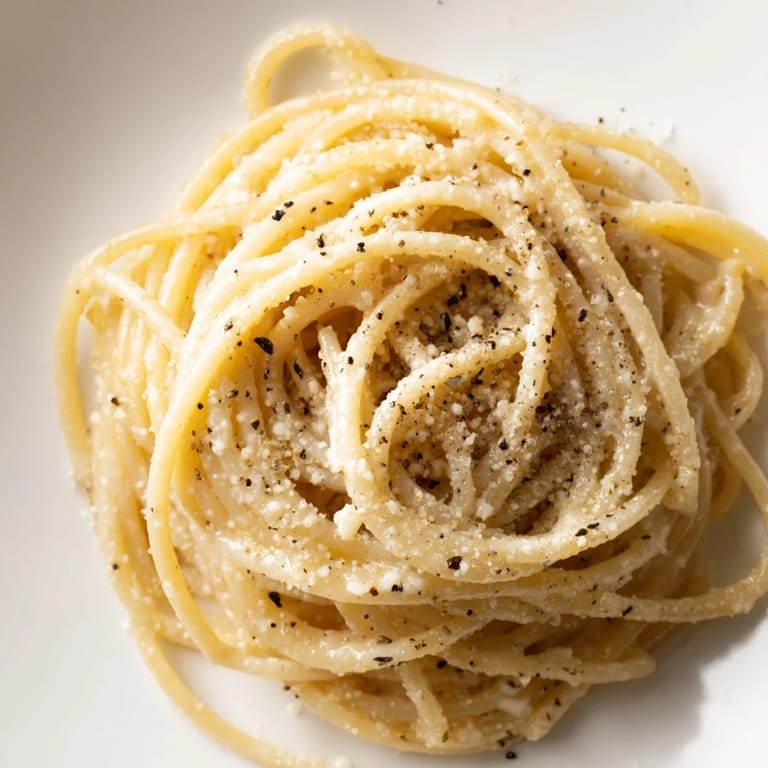
Save This pasta has fed me on nights when I had nothing else, and somehow it never felt like settling. It tasted like something I chose because it was what I wanted, not because it was all I had.
Recipe Questions
- → What type of pasta works best?
Long shapes like spaghetti, linguine, or fettuccine work well to hold this creamy sauce.
- → Why use pasta water in the sauce?
The starchy cooking water helps emulsify the butter and cheese, creating a silky, smooth sauce.
- → Can I use a different cheese than Parmesan?
Pecorino Romano is a great alternative for a sharper flavor, or other hard grating cheeses can be used.
- → Is it necessary to add salt and pepper?
Seasoning enhances the flavors and balances the richness from butter and cheese. Adjust to taste.
- → How can I add extra flavor to the dish?
A pinch of freshly grated nutmeg or chopped herbs like parsley can brighten and deepen the flavor.