 Save
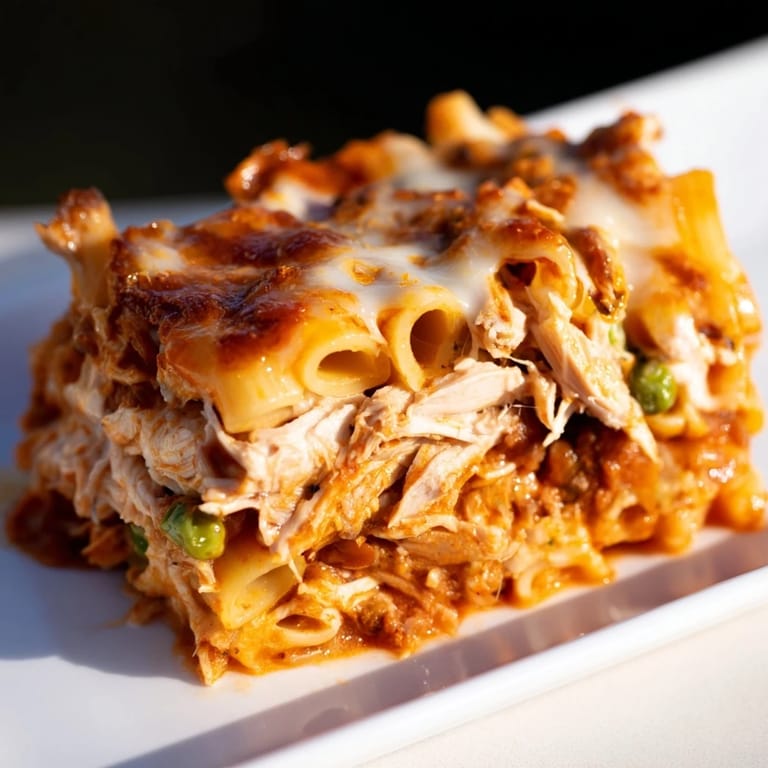
Save There's something about the way a casserole bubbles in the oven that makes a kitchen feel like home. I discovered this Moist Maker Pasta Casserole purely by accident one November, when I had an embarrassing amount of leftover turkey and wanted something more interesting than a sandwich. The trick that changed everything was that gravy layer tucked right in the middle—a revelation that turned what could have been dry pasta into something deeply comforting and impossibly moist.
I made this for my sister's family one snowy afternoon, and I'll never forget watching her teenage son go back for seconds without even asking—that's when I knew it was a keeper. The way everyone's forks clinked against their plates at the same rhythm, all reaching for more, felt like the casserole was somehow speaking a language we all understood.
Ingredients
- Penne or rigatoni: These sturdy shapes hold onto the sauce and gravy without falling apart, which matters more than you'd think.
- Turkey or chicken gravy: This is your secret weapon for moisture—don't skip it or make it too thin, as it's doing the heavy lifting flavor-wise.
- Unsalted butter: It enriches the milk sauce and keeps everything feeling silky rather than starchy.
- Cooked turkey breast: Use any leftover poultry you have; shredding it into small pieces helps it distribute evenly through the dish.
- Mozzarella, sharp cheddar, and Parmesan: The three-cheese combo gives you stretch, sharpness, and that nutty depth all at once.
- Onion and garlic: These are sautéed first to build a flavor foundation that everything else sits on top of.
- Olive oil: Just enough to soften the aromatics without making anything greasy.
- Frozen peas: Optional, but they add a little brightness and texture if your mood calls for it.
- Dried thyme: A quiet herb that whispers through the whole dish without announcing itself.
- Whole milk and all-purpose flour: These create a gentle sauce that binds everything together without heaviness.
Tired of Takeout? 🥡
Get 10 meals you can make faster than delivery arrives. Seriously.
One email. No spam. Unsubscribe anytime.
Instructions
- Heat your oven and grease the dish:
- Set it to 190°C and get a 9x13-inch baking dish ready with a light coating of butter or cooking spray. This step takes two seconds but saves you from a stuck casserole disaster.
- Cook the pasta until just al dente:
- Boil it in salted water but stop before it feels tender all the way through—it'll finish cooking in the oven. Drain it well and set aside.
- Build the aromatic base:
- Heat olive oil in a skillet and soften the chopped onion over medium heat for about 5 minutes until it's translucent. Add the minced garlic, thyme, salt, and pepper, stirring for just another minute so the garlic doesn't burn.
- Make the milk sauce:
- Sprinkle flour over the onions and stir constantly for 1 minute to cook out the raw flour taste. Gradually whisk in the milk, letting it thicken as it heats—this should take 2–3 minutes and look like a creamy, not-too-thick sauce. Stir in the butter until it melts completely, then take it off the heat.
- Combine the main mixture:
- In a large bowl, toss together your cooked pasta, the milk sauce, shredded turkey, frozen peas if you're using them, and half of each of the three cheeses. This is where everything starts to feel real.
- Layer the first half:
- Spread half of this pasta mixture into your prepared baking dish, pressing it down gently so it forms an even layer.
- Add the gravy revelation:
- Pour or spoon the entire amount of gravy over this middle layer, letting it soak in gradually. This is the move that makes everything work—the gravy creates moisture that travels through the casserole as it bakes.
- Top with the second half:
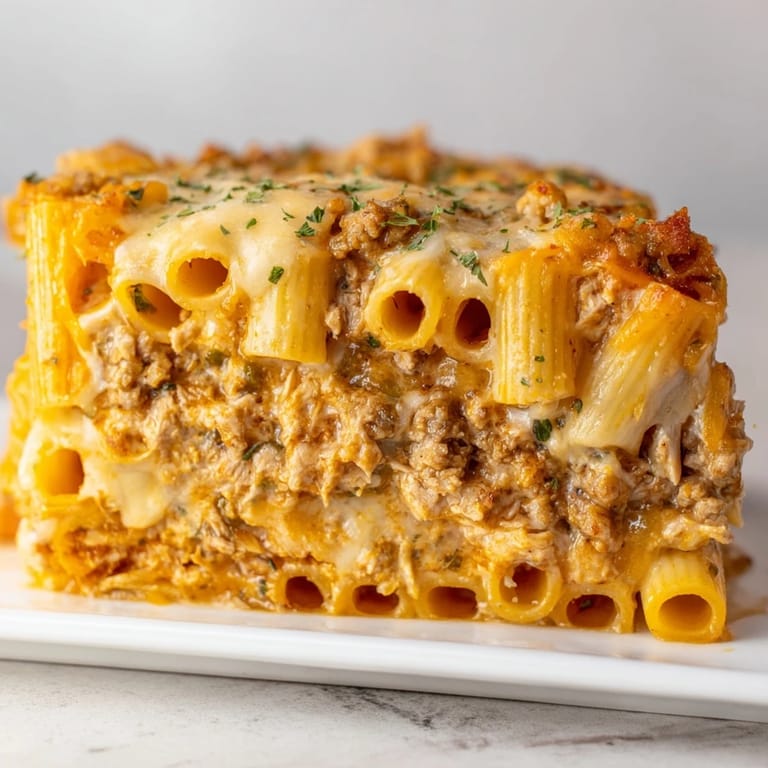
- Add the remaining pasta mixture on top of the gravy layer, spreading it to the edges. Sprinkle the remaining mozzarella, cheddar, and Parmesan over the top in an even layer.
- Bake until golden:
- Bake uncovered for 30–35 minutes until the top is golden brown and you can see the edges bubbling gently. The smell at this point is almost unfair.
- Let it rest before serving:
- Give it 10 minutes out of the oven so the layers set slightly and everything stays together when you scoop it onto a plate.
 Save
Save I remember my neighbor asking for the recipe after tasting just one bite, and I felt oddly proud explaining the gravy layer trick—like I'd discovered something profound instead of just assembling leftovers with intention. It's funny how food can make you feel like you've got something worth sharing.
Working with Leftovers
This casserole was born from the impulse to rescue holiday leftovers, but it's worth making even when you don't have them on hand. Rotisserie chicken from the grocery store works beautifully, or you can poach chicken breasts specifically for this—it's actually less effort than you'd think. The beauty of this dish is that it gives leftovers a second life that tastes intentional, not desperate.
Customizing Your Casserole
I've made this with sautéed mushrooms stirred into the milk sauce, and another time with a handful of fresh spinach stirred in at the end of cooking—both were delicious departures from the original. You could also roast some broccoli and fold it in, or add sun-dried tomatoes if you want something a little sharper. The structure of the casserole is flexible enough to handle your own instincts.
Making It Your Own
The framework here is sturdy enough to support changes without falling apart—literally and flavor-wise. Once you understand how the gravy layer works, you might find yourself making this with different cheeses, different vegetables, or even different proteins. Think of this recipe as a foundation you've learned to trust, not a script you have to follow exactly.
- For a gluten-free version, use gluten-free pasta and swap cornstarch or a gluten-free flour blend for the all-purpose flour in the sauce.
- You can assemble this up to 8 hours ahead and bake it straight from the fridge—just add 5–10 minutes to the baking time if it's cold.
- Leftover casserole reheats gently in a 160°C oven covered with foil, staying moist and tender.
 Save
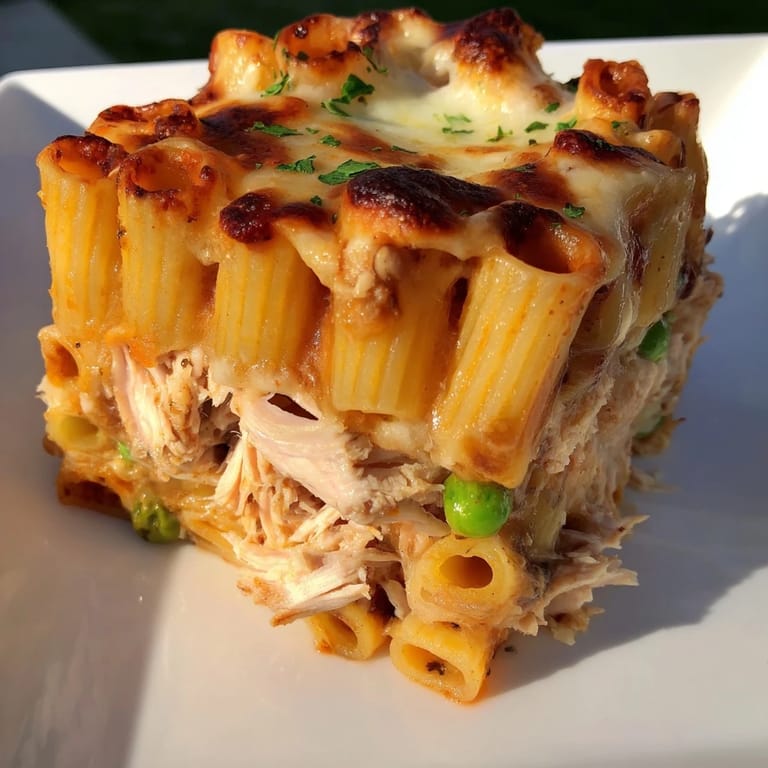
Save This casserole has become my go-to when I want to feed people something that feels special without theater. It's honest cooking that happens to be delicious.