 Save
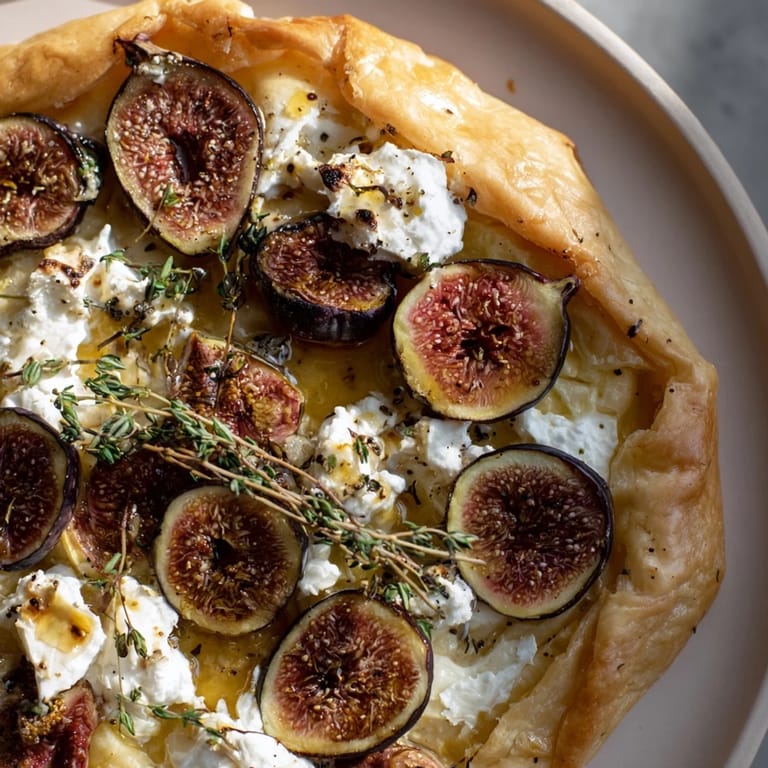
Save There's something about the combination of crispy, shattering pastry and the earthy whisper of truffle oil that makes you feel like you've cracked some kind of culinary code. I discovered this pizza entirely by accident one evening when I had some thawed puff pastry sitting on my counter and a fig that was nearing the end of its life, alongside a wedge of tangy goat cheese I couldn't resist at the market. What emerged from the oven was so unexpectedly elegant that I've made it dozens of times since, each time feeling like I'm pulling off something that looks far more complicated than it actually is.
I made this for the first time as a last-minute appetizer when friends showed up unexpectedly on a Sunday afternoon, and the moment they tasted it, there was this stunned silence followed by "where did you learn to cook like this?" It's become my go-to move ever since—something that feels restaurant-worthy but requires almost no advance planning.
Ingredients
- Puff pastry sheet (approx. 250 g): Make sure it's fully thawed at room temperature so it spreads without cracking; rushing this step will frustrate you.
- Fresh figs (4–5): The ripeness matters more than the quantity—look for figs that yield slightly to pressure and have that deep color that promises sweetness.
- Goat cheese (120 g): Crumble it by hand just before using so the pieces stay irregular and textured rather than becoming a paste.
- Truffle oil (1 tbsp): This is the ingredient that transforms everything, so use real truffle oil and add half before baking and half after for maximum fragrance.
- Honey (2 tbsp): Warm honey drizzled over hot pastry creates this glossy, almost candy-like finish that catches the light.
- Fresh thyme leaves (1 tbsp, optional): If you have it, the tiny leaves add an herbal whisper that grounds all the richness.
- Olive oil (1 tbsp): A light brush is all you need to help the pastry puff evenly and turn golden.
- Sea salt and freshly ground black pepper: Taste as you season—the goat cheese and honey are already doing a lot of the flavor work.
Tired of Takeout? 🥡
Get 10 meals you can make faster than delivery arrives. Seriously.
One email. No spam. Unsubscribe anytime.
Instructions
- Get your oven ready and prep your workspace:
- Preheat to 200°C (400°F) and line your baking sheet with parchment paper. A cold sheet makes a difference in how evenly the pastry puffs up from underneath.
- Lay out the pastry canvas:
- Unroll your thawed puff pastry directly onto the parchment. This is the moment to gently score a 1 cm border around all four edges—press your knife down just firmly enough to mark the pastry without cutting through completely, which keeps the edges from puffing too wildly.
- Give the pastry a light kiss of oil:
- Brush the center (avoiding that border) with olive oil using gentle, even strokes. You're not trying to soak it, just give it enough so it turns golden and helps the toppings stay put.
- Arrange the figs with intention:
- Lay your sliced figs across the oiled pastry in whatever pattern feels natural—there's no wrong way, though scattered looks more inviting than perfectly neat rows. Leave the border clear so it can rise and brown without obstruction.
- Add the goat cheese scattered freely:
- Crumble the cheese over and around the figs, letting some pieces sit directly on the pastry where they'll melt slightly into little pockets of creaminess. If using thyme, sprinkle those delicate leaves now.
- First truffle oil drizzle:
- Use half your truffle oil here, drizzling it in a light, thin line across the surface. Season lightly with sea salt and black pepper—you can always add more salt after baking when the honey goes on.
- Watch it bake until golden:
- Slide it into the oven for 18–20 minutes. You're looking for the pastry edges to puff up dramatically and turn deep golden brown, and the surface to look almost caramelized. Your kitchen will start smelling impossibly good around the 15-minute mark.
- The final flourish while everything is still warm:
- Pull it straight from the oven and immediately drizzle with the remaining truffle oil and the honey. The heat causes the honey to flow like liquid gold and the truffle oil to release its full fragrance right into the steam rising off the pastry.
- Slice and serve at once:
- Use a sharp knife to cut into squares or rectangles, and get everything onto plates while it's still warm and the pastry is at its crispest.
 Save
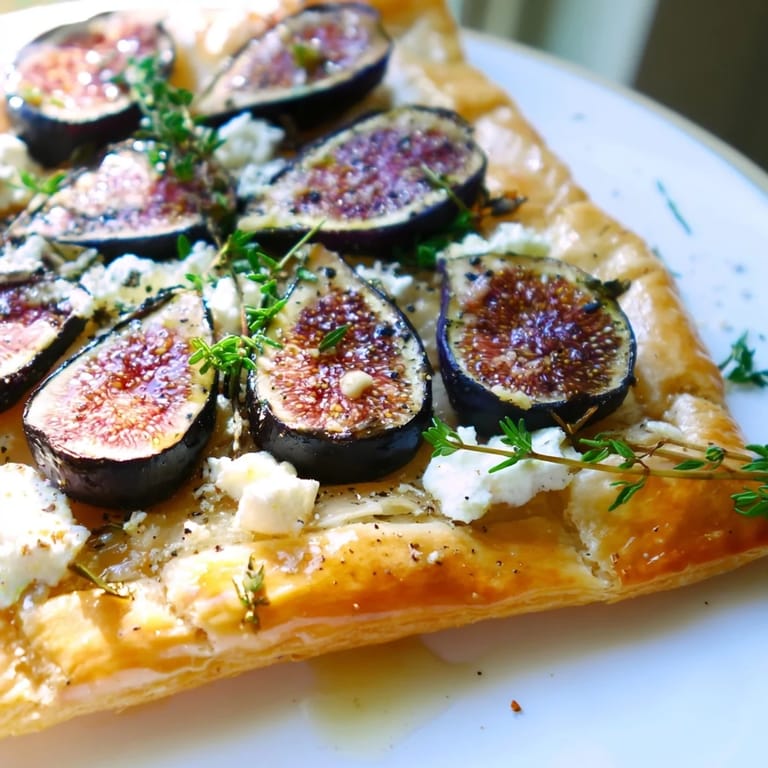
Save There was a moment during my third time making this when I had a small dinner party and one of my guests—someone with very fancy palate—closed their eyes after the first bite and just smiled without saying anything. That's when I realized this recipe isn't just easy; it's quietly sophisticated.
Why This Combination Works
The beauty of this pizza is that every ingredient is pulling its weight without fighting for attention. Goat cheese has this tangy brightness that cuts through the richness of the pastry, while figs bring a honeyed sweetness that feels natural rather than cloying. The truffle oil is the anchor—earthy and luxurious enough to tie everything together and make it feel intentional rather than thrown together. There's a reason fancy restaurants build entire menus around this flavor trio.
Timing Is Everything
One of the most useful things I've learned is that puff pastry doesn't actually like to wait around once it's thawed. If you thaw it too far in advance and it sits in the fridge sweating moisture back into the layers, you lose some of that dramatic puff when it bakes. Ideally, thaw it 30 minutes before you're ready to use it, so it's pliable but still cold. The figs, too, should be sliced just before assembly—they brown too quickly when they sit cut-side up.
Serving and Pairing
This pizza is genuinely happy to be either a show-stopping appetizer for a dinner party or a sophisticated solo lunch with a glass of crisp wine. I've served it warm and at room temperature, and honestly both are wonderful—though warm is that magical moment where the pastry is still flaky and the cheese still holds memory of its heat. Pair it with a Sauvignon Blanc if you want something that echoes the tanginess of the cheese, or a sparkling wine if you want the bubbles to clean your palate between bites.
- Try swapping the goat cheese for crumbled blue cheese if you want something bolder and more peppery.
- A handful of toasted walnuts scattered before baking adds a deepness that makes people ask questions.
- Trust your instincts on the salt—goat cheese and honey already have their own personalities, so taste before you oversalt.
 Save
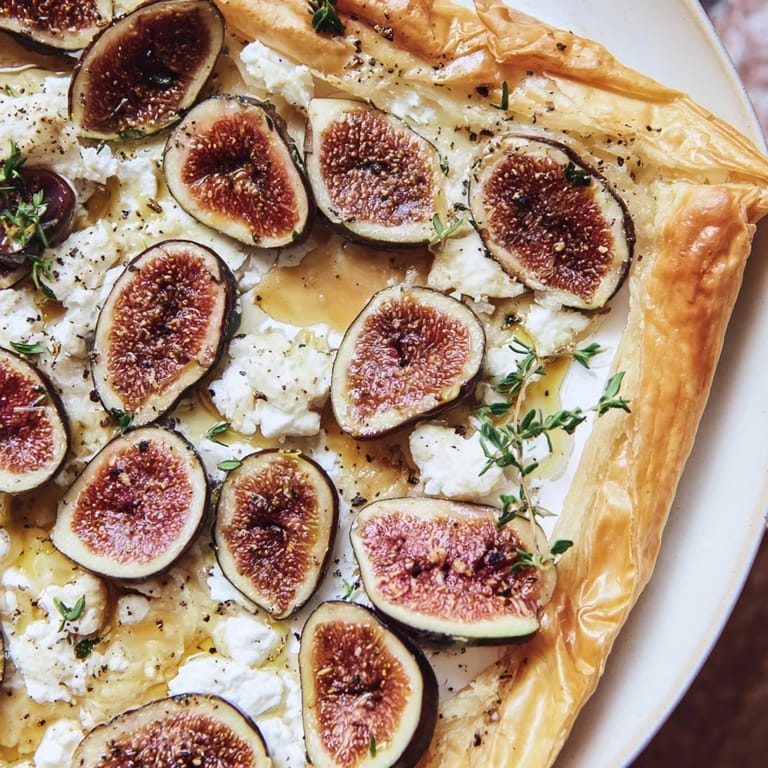
Save This recipe taught me that sometimes the most impressive meals come from the simplest decisions—quality ingredients, proper timing, and restraint. There's something deeply satisfying about making something that looks like you fussed for hours in just 30 minutes.
Recipe Questions
- → What type of pastry is best for this dish?
A sheet of thawed puff pastry provides a light, flaky base perfect for supporting the rich toppings without becoming soggy.
- → Can I substitute goat cheese with another cheese?
Yes, blue cheese offers a bolder flavor, while ricotta or cream cheese can lend a milder, creamier texture.
- → How does truffle oil affect the flavor?
Truffle oil adds an earthy, fragrant aroma that elevates the overall taste, pairing beautifully with the sweetness of figs and the tanginess of goat cheese.
- → Is fresh thyme necessary in this preparation?
Fresh thyme adds herbal notes that complement the other ingredients, but it is optional and can be omitted or substituted with rosemary or oregano.
- → What are good beverage pairings for this dish?
A crisp Sauvignon Blanc or sparkling wine balances the richness with acidity and fresh bubbles, enhancing the flavors.