 Save
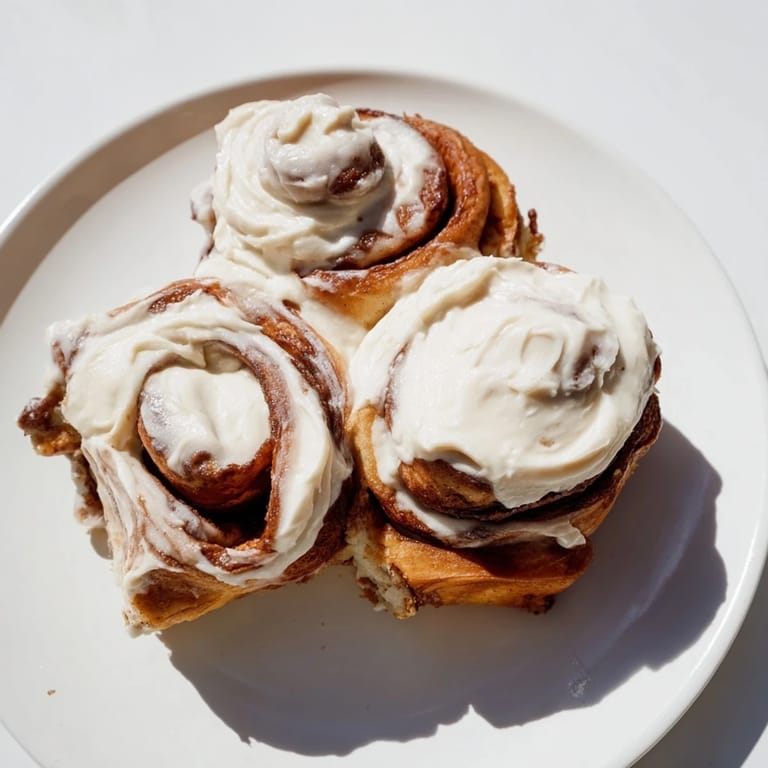
Save There's something about the smell of pumpkin and cinnamon baking that makes October feel real. I discovered these rolls on a rainy morning when I was supposed to be doing something productive but instead found myself watching the dough rise, mesmerized by how the pumpkin turned everything this beautiful golden hue. The first batch came out imperfect—one roll was somehow twice the size of the others—but the frosting fixed everything, sliding over the warm pastry like it was meant to be.
I made these for my sister's unexpected visit last year, panicking because she texted an hour before she'd arrive. Rolling out the dough felt meditative—my hands remembering the motion even though I hadn't made them in months—and by the time she walked through the door, the kitchen smelled like a haunted house but a good kind, the kind that makes you stay longer than you planned.
Ingredients
- All-purpose flour (3 ½ cups): This is your dough's backbone; don't skimp on quality and measure by spooning into your cup rather than scooping, or you'll end up with a sticky mess.
- Active dry yeast (1 packet): Make sure yours isn't ancient or the whole thing falls flat literally.
- Granulated sugar (⅓ cup): Feeds the yeast and balances the earthiness of pumpkin.
- Whole milk, lukewarm (½ cup): Temperature matters here; too hot kills the yeast, too cold and it won't wake up.
- Canned pumpkin purée (¾ cup): Use pure pumpkin, not pie filling, or you'll have spiced dough before you meant to.
- Unsalted butter, melted (¼ cup): Makes the dough tender and helps everything rise beautifully.
- Large egg, room temperature (1): Enriches the dough and gives it structure to hold all that filling.
- Vanilla extract (1 tsp): A quiet flavor that ties everything together.
- Salt (½ tsp): Doesn't just season; it controls how fast the yeast works.
- Ground cinnamon (1 tsp in dough, 2 tbsp in filling): The star of the show, warming and complex.
- Ground nutmeg (½ tsp): Just enough to make people ask what that spice is.
- Brown sugar, packed (⅔ cup): Holds moisture better than white sugar, keeping the filling from drying out.
- Unsalted butter, softened (¼ cup for filling): Spreads smoothly and carries the cinnamon sugar to every swirl.
- Cream cheese, softened (4 oz): The frosting's soul; let it sit out or it'll be lumpy.
- Unsalted butter, softened (¼ cup for frosting): Lightens the tang and makes it spreadable.
- Powdered sugar, sifted (1 cup): Sift it or your frosting will have little lumps that catch on teeth.
Tired of Takeout? 🥡
Get 10 meals you can make faster than delivery arrives. Seriously.
One email. No spam. Unsubscribe anytime.
Instructions
- Wake the yeast:
- Pour warm milk into your bowl and sprinkle the yeast over it like you're blessing something. After five minutes, it should look alive, foamy and bubbly on top.
- Build the dough base:
- Mix in the sugar, pumpkin, melted butter, egg, and vanilla until everything's smooth and orange. It'll smell incredible already.
- Bring it together:
- Gradually work in the flour, salt, cinnamon, and nutmeg, kneading for six to eight minutes until the dough feels soft and elastic under your hands. If it's sticky, add a little more flour, but not too much or you'll end up with something dense.
- The first rise:
- Pop the dough in a greased bowl, cover it with a damp cloth or plastic wrap, and let it sit somewhere warm until it's doubled. This usually takes about an hour, but if your kitchen is cold, give it more time.
- Roll and fill:
- Punch down the dough like you mean it, then roll it out on a floured surface into a 16x12-inch rectangle. The dough should be even thickness, not thicker at the edges.
- Spread the filling:
- Butter the dough, leaving a half-inch border around the edges, then scatter the cinnamon-brown sugar mixture all over it evenly. The filling is where most of the flavor lives, so don't be stingy.
- Roll it up:
- Starting from the long side, roll the rectangle up tightly, keeping the tension even so the rolls don't unroll during rising. Slice into twelve pieces with a sharp knife or, if you have it, dental floss works remarkably well and doesn't squish the dough.
- Arrange and proof:
- Place the rolls cut-side up in a greased baking dish, cover them, and let them rise for thirty to forty minutes until they're puffy and touching each other slightly. They should look proud, not deflated.
- Bake until golden:
- Bake at 350°F for twenty-two to twenty-five minutes, until the tops are golden and a toothpick through the center comes out clean. They'll smell so good you'll start negotiating with yourself about eating one before frosting.
- Make the frosting:
- Beat softened cream cheese and butter until smooth, then add the sifted powdered sugar, vanilla, and a pinch of salt. Keep beating until it's fluffy and spreadable, not gritty.
- Finish:
- Spread the frosting over the warm rolls while they're still a little hot so it melts slightly into the crevices. Serve them fresh, ideally while someone's still there to appreciate them.
 Save
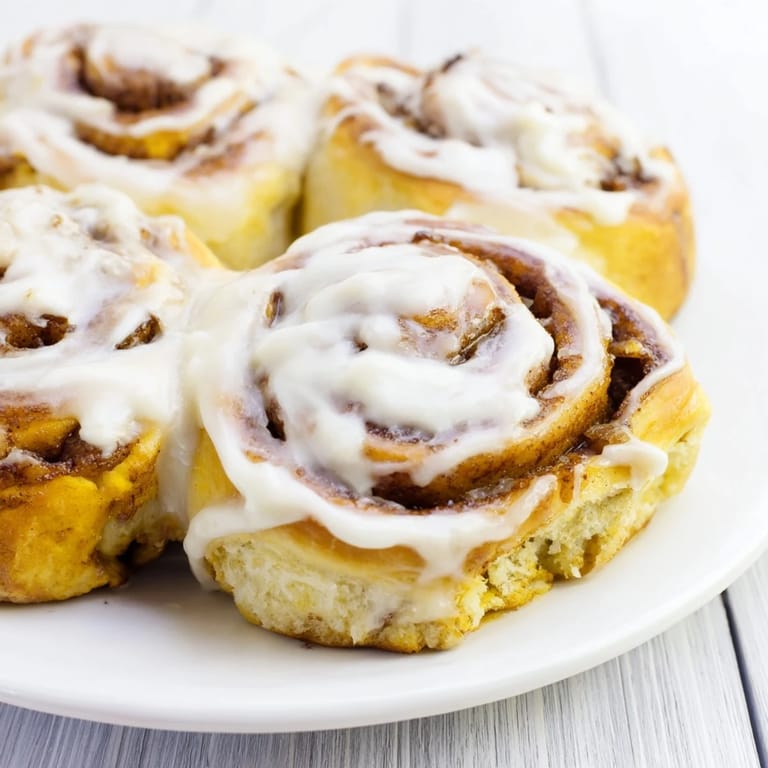
Save These rolls taught me that good food doesn't have to be complicated to feel special. My neighbor came over one morning when I was testing a batch, and she sat at the counter eating one plain, no frosting, just the roll, and the way her face changed made me realize these were worth making, again and again.
Why These Rolls Matter Most in Autumn
Pumpkin is one of those ingredients that tastes like a season. It's not just flavor; it's permission to bake something warm and yeasted when the air gets crisp. These rolls hit differently in October and November than they would in June, which is part of their power—they're seasonal comfort that you don't feel guilty craving.
The Technique That Actually Changes Everything
Most yeast dough fails not because of ingredients but because of temperature. Cold dough rises slowly, warm dough rises fast, and room temperature dough rises just right. If you're impatient or your kitchen is frigid, prop your bowl in a warm place—even just a spot where afternoon sun streams in makes a difference. The yeast is alive and wants to eat sugar and release gas; you're just creating the right conditions for it to do its job.
Make-Ahead Magic and Last-Minute Saves
One of the best discoveries I've made with this recipe is that you can prep the rolls the night before, let them rise in the fridge overnight, then bake them fresh the next morning. The cold rise actually develops more flavor because the yeast works slower, giving the dough time to deepen. You can also freeze the unbaked rolls after you've shaped them; just thaw overnight in the fridge and let them rise for an extra thirty minutes before baking.
- If you forget to soften your cream cheese, cut it into small cubes and it'll soften in five minutes in a warm kitchen.
- Pumpkin purée from the can is reliable, but if you want to roast your own pumpkin, follow the same measurement and let it cool completely before using.
- Pecans, chopped walnuts, or even a handful of chocolate chips mixed into the filling are all legitimate upgrades when you're feeling adventurous.
 Save
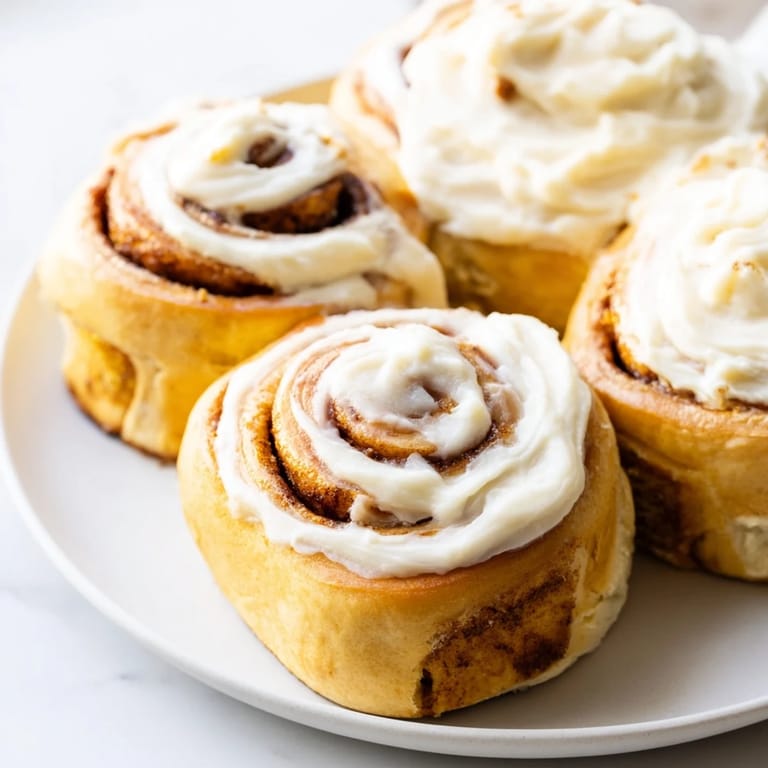
Save These rolls are the kind of recipe worth keeping around, the kind you make when you want to feel a little pride in your kitchen and maybe make someone else's morning better. They're not fussy, just honest, and that's exactly what comfort food should be.
Recipe Questions
- → What makes the dough soft and fluffy?
The combination of warm milk, active yeast, and adequate rising time allows the dough to develop air pockets, resulting in a soft and fluffy texture.
- → Can I use fresh pumpkin instead of canned purée?
Yes, fresh pumpkin can be cooked and pureed to replace canned purée, though it may slightly affect moisture content and texture.
- → How do I prevent the rolls from sticking during baking?
Greasing the baking dish well and dusting the surface when rolling helps prevent sticking, ensuring easy removal after baking.
- → What alternatives exist for the cream cheese frosting?
You can substitute the cream cheese frosting with a simple glaze made from powdered sugar and milk or a buttercream variation.
- → Can these rolls be prepared ahead of time?
Yes, the dough can be prepared the night before and baked fresh in the morning for convenience and optimal freshness.