 Save
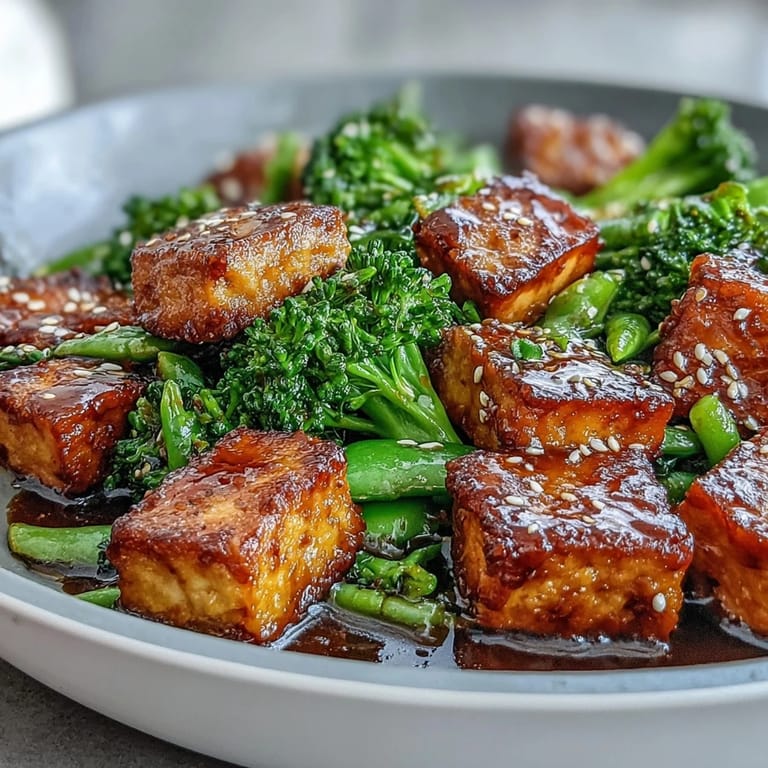
Save One Thursday evening, I stood at my stove watching oil shimmer in my wok, and it hit me that I'd been cooking the same five dinners on repeat for months. That's when I decided to stop overthinking weeknight meals and just throw together what I had: some tofu I'd been meaning to use, whatever vegetables looked good at the market, and a sauce I could mix in under a minute. The result was so crispy, so golden, so unexpectedly satisfying that I've made it at least twice a week ever since.
I made this for my friend Sarah last month who'd just gone vegan, and I watched her face light up when she took the first bite—she said she didn't think she'd miss restaurant takeout anymore. That moment reminded me that good food isn't about restriction or sacrifice; it's about discovering new things that feel just as indulgent and comforting as what came before.
Ingredients
- Firm tofu, 400 g (14 oz), drained and pressed: Pressing your tofu beforehand is non-negotiable; it removes moisture so the surface gets gorgeously crispy instead of steaming itself soggy in the pan.
- Cornstarch, 2 tbsp (plus 1 tbsp more for the sauce): This is your secret weapon for that addictive crunchy coating and silky sauce; don't skip it or swap it out.
- Vegetable oil, 2 tbsp: Use something with a high smoke point like grapeseed or peanut oil so it stays stable at the heat you need.
- Broccoli florets, 300 g (10 oz): Cut them into bite-sized pieces so they cook evenly and stay tender-crisp rather than mushy.
- Snap peas, 150 g (5 oz), trimmed: These stay bright and sweet if you don't overcook them; add them near the end if you want them extra crunchy.
- Red bell pepper, 1, sliced: The color adds vibrancy to the plate, but honestly any pepper color works—use what's in your crisper drawer.
- Spring onions, 2, sliced: Save some of the green parts for garnish at the end so they stay fresh and bright.
- Soy sauce, 60 ml (1/4 cup): Go for a good quality one; you can taste the difference, and tamari is your gluten-free swap without any fuss.
- Maple syrup or honey, 2 tbsp: This balances the saltiness of the soy and gives the sauce that glossy, coat-everything appeal.
- Rice vinegar, 1 tbsp: A touch of acidity keeps the whole thing from tasting flat or one-dimensional.
- Sesame oil, 1 tbsp: This is intense stuff, so don't be tempted to add more; a little goes a long way and fills the kitchen with the most amazing aroma.
- Fresh ginger, 1 tbsp, grated: Grate it fresh right before you use it; jarred ginger tastes tired by comparison.
- Garlic cloves, 2, minced: Mince these at the last possible second so they stay punchy and don't turn bitter in the pan.
- Sesame seeds and fresh cilantro (optional): These elevate the whole dish from weeknight dinner to something that feels intentional and special.
Tired of Takeout? 🥡
Get 10 meals you can make faster than delivery arrives. Seriously.
One email. No spam. Unsubscribe anytime.
Instructions
- Press and cube your tofu:
- Wrap your block of tofu in clean kitchen towels or cheesecloth and weight it down with something heavy (a cast-iron pan works perfectly) for at least 10 minutes. This step is what stands between you and waterlogged tofu, so don't rush it. Once pressed, cut it into 2 cm cubes with a sharp knife, and they'll hold their shape beautifully as they cook.
- Coat and crisp the tofu:
- Toss your tofu cubes in cornstarch until every surface is dusted—this creates that golden, crispy exterior that makes people forget they're eating plant-based. Heat your oil until it shimmers, then add the tofu and let it sit for 2 to 3 minutes on each side before moving it around; patience is everything here.
- Stir-fry the vegetables:
- Remove the tofu to a clean plate, then add your broccoli, snap peas, and bell pepper to the same pan. You'll hear them sizzle immediately, which is exactly what you want. Keep everything moving for 3 to 4 minutes until the vegetables soften just slightly but still have that satisfying crunch when you bite down.
- Build your sauce:
- While the vegetables are cooking, whisk together your soy sauce, maple syrup, rice vinegar, sesame oil, ginger, and garlic in a small bowl. The aroma alone will make you excited for what's coming next, and having it ready means you can move fast once everything comes back together.
- Bring it together:
- Return the crispy tofu to the pan with the vegetables, pour in that golden sauce, and give everything a gentle toss to coat evenly. You'll see the sauce start to bubble and thicken slightly around the pan edges.
- Thicken and finish:
- Mix your cornstarch slurry (cornstarch plus cold water) and stir it into the pan, cooking for just 1 to 2 minutes until the sauce clings to everything beautifully and becomes glossy. Pull it off the heat before the sauce gets too thick, because it'll keep thickening as it cools.
- Plate and garnish:
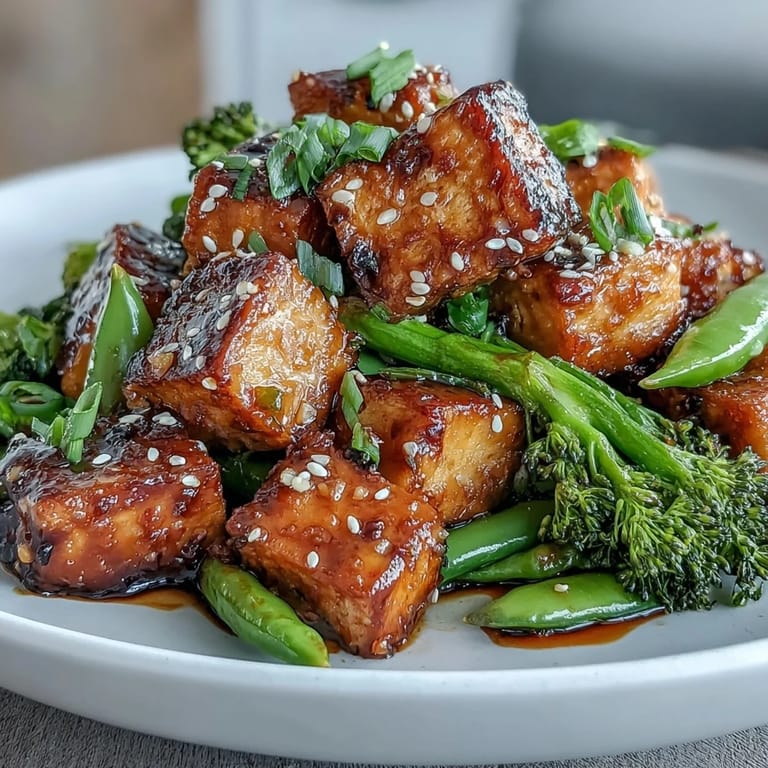
- Transfer everything to a serving platter or individual bowls, scatter sesame seeds and spring onion greens on top, and squeeze fresh lime over if you have it. Serve immediately while the tofu is still crispy and the sauce is still warm enough to do what it does best—make everything taste better.
 Save
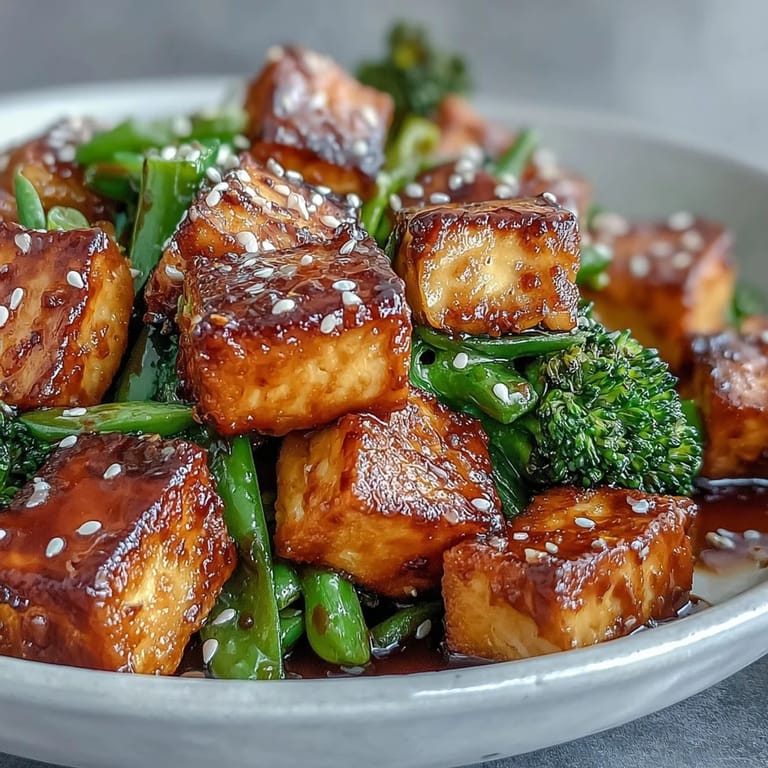
Save Last spring, I made this on a rainy Sunday when my family was stressed and scattered, and somehow that golden, fragrant bowl of warmth brought everyone back to the table actually talking to each other. It reminded me that the simplest dishes often carry the most meaning.
Why This Works Every Single Time
The magic here is balance—you've got saltiness from the soy sauce, sweetness from the maple syrup, tartness from the rice vinegar, and richness from the sesame oil all playing together without one overpowering the others. The ginger and garlic add depth so it doesn't taste one-dimensional, and the cornstarch creates two different textures: a crispy exterior on the tofu and a silky coating over everything. There's also something about cooking with whole vegetables rather than pre-cut stuff that changes how they taste—they seem to hold onto their flavor better.
Swaps and Variations That Actually Work
This isn't one of those recipes where you have to follow it exactly or it falls apart—it's actually quite forgiving if you understand what each element does. You can swap the broccoli for bok choy, the snap peas for green beans or even cauliflower, and the red bell pepper for literally any color pepper you have sitting around. Some people use brown sugar instead of maple syrup, which is fine though you'll lose a bit of the delicate flavor; I've also had success adding a tablespoon of white miso to the sauce for extra umami depth. The one thing I wouldn't mess with too much is the tofu pressing and crisping step—that's your foundation.
Serving Suggestions and Timing
This dish is best served immediately while the tofu is still crispy and the vegetables still have some resistance when you bite them; if you let it sit for 20 minutes, everything softens and loses its appeal. Jasmine rice is the classic pairing because it's subtle enough not to compete with the teriyaki sauce, but soba noodles, brown rice, or even millet work beautifully if that's what you have. I've even served it over cauliflower rice for friends watching their carbs, and it was equally delicious though you might want to add an extra splash of sauce to keep everything from drying out.
- Make your sauce and press your tofu before you start cooking so you're not scrambling mid-stir-fry.
- Cut all your vegetables before you turn on the heat—stir-frying happens fast once you start, and there's no time to chop once the pan is hot.
- Serve this family-style with rice on the side so people can build their own bowls exactly how they like them.
 Save
Save This stir-fry has become my go-to when I want something that feels special but doesn't demand hours in the kitchen. It proves that plant-based cooking doesn't have to be complicated or boring—sometimes the best meals are just really good ingredients treated with a little care.
Recipe Questions
- → How do you achieve crispy tofu in this dish?
Press the tofu to remove excess moisture, then toss it with cornstarch before frying in hot oil until all sides are golden and crisp.
- → Can the vegetables be substituted?
Yes, feel free to replace broccoli or snap peas with other seasonal vegetables like green beans or bell peppers for variety.
- → What makes the teriyaki sauce flavorful?
The sauce combines soy sauce, maple syrup, grated ginger, garlic, sesame oil, and rice vinegar, creating a balanced sweet and savory glaze.
- → How long does the stir-fry take to prepare and cook?
Preparation takes about 15 minutes, with an additional 15 minutes of cooking for a total of approximately 30 minutes.
- → Can this dish be made gluten-free?
Yes, use tamari instead of traditional soy sauce to ensure the sauce remains gluten-free.