 Save
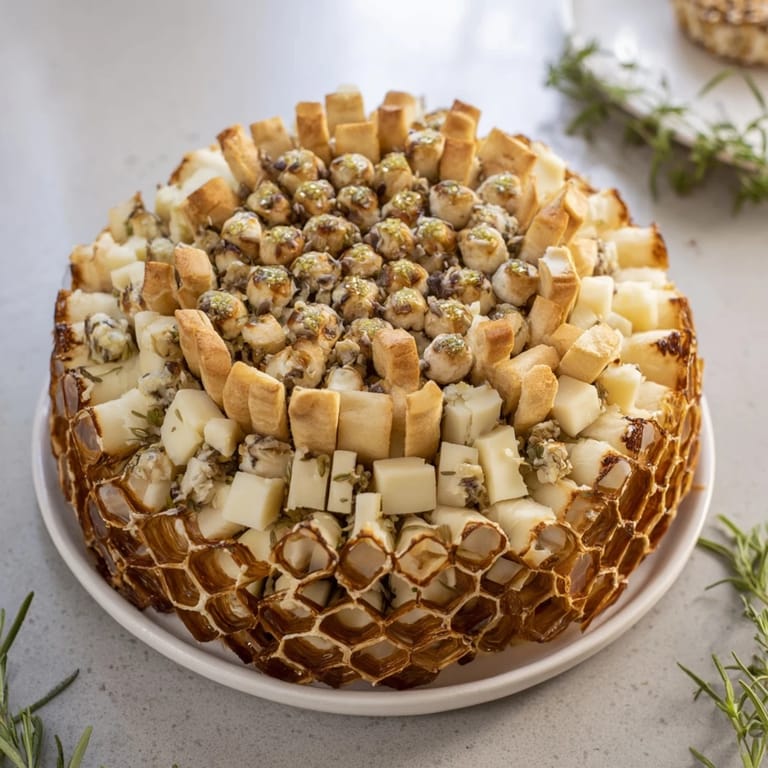
Save I discovered The Gilded Cage while trying to impress a dinner party that had somehow gotten fancier than I'd planned. Standing in my kitchen at 4 PM, I realized I needed something that looked restaurant-worthy but didn't require three hours of fussing. A dome of crackling breadsticks cradling jewel-toned cheeses came to me like a small revelation, and suddenly I had a centerpiece that made people gasp before they even tasted it. The magic wasn't in complexity—it was in the architecture, the theater of it all.
My neighbor came over while I was assembling the dome and asked what I was building—"It looks like you're constructing something for a museum," she said. I laughed because suddenly this appetizer felt like actual edible architecture, this delicate balance of golden sticks leaning against each other like an old cathedral. When we finally served it that night, no one wanted to be the first to break into it, which is the highest compliment a dish can receive.
Ingredients
- All-purpose flour: Use a good quality flour here—it makes a difference in the texture of your breadsticks, giving them that tender crumb inside and satisfying snap outside.
- Instant dry yeast: Make sure it's fresh and that your water is genuinely lukewarm, not hot, or you'll kill the yeast before it has a chance to work.
- Sugar and salt: These aren't just flavor—the sugar feeds the yeast while the salt regulates fermentation and keeps everything balanced.
- Olive oil: This is what gives the breadsticks their richness and helps them brown beautifully in the oven.
- Egg yolk for glaze: Just a brushing creates that gorgeous golden sheen that makes everything look polished.
- Triple-cream Brie: This is your luxurious anchor—buttery, creamy, the kind of cheese that justifies all the fussing.
- Aged Comté: Nutty and complex, it grounds the selection with sophistication without overwhelming the other cheeses.
- Truffled goat cheese: This is where you get a little playful—shape it into small balls for visual interest and that whisper of earthiness.
- Blue cheese: A bold counterpoint that keeps things interesting and prevents the whole thing from feeling too safe.
- Parmigiano Reggiano: Shaved thin, it catches light and adds this crystalline texture that feels almost decorative.
- Red grapes and honey: These aren't afterthoughts—they provide sweetness that bridges the gap between bread, cheese, and wine, creating harmony on the palate.
- Fresh herbs: A small handful of thyme or rosemary tucked into the arrangement whispers that this came from someone who cares about every detail.
Tired of Takeout? 🥡
Get 10 meals you can make faster than delivery arrives. Seriously.
One email. No spam. Unsubscribe anytime.
Instructions
- Build your dough foundation:
- Combine flour, yeast, sugar, and salt in a large bowl, then add your lukewarm water and olive oil. Mix until everything comes together into a shaggy dough. Knead for 8–10 minutes until it becomes smooth and elastic—you'll feel it transform under your hands, growing softer and more cooperative.
- Let time do the work:
- Cover the bowl and let it rise in a warm spot for 30 minutes until it's roughly doubled in size. This is a good moment to pour yourself something to drink and think about what cheeses you're most excited to taste.
- Prepare your oven:
- Heat your oven to 200°C and line a baking tray with parchment paper. This prevents any sticking drama and gives your breadsticks a clean surface to crisp up on.
- Roll into delicate sticks:
- Divide the dough into 18–20 pieces and roll each one thin—about 3 mm thick and 25 cm long. They should feel more like elegant wands than chunky batons.
- Add the glaze and garnish:
- Lay your breadsticks on the tray, brush each one lightly with beaten egg yolk, and scatter sesame seeds over top if you want that extra textural flourish. These details are what catch eyes and light.
- Bake until golden:
- Bake for 15–18 minutes, turning the tray halfway through so they brown evenly. You want them to be deeply golden with a gentle crackle—they'll crisp further as they cool.
- Arrange your cheese mound:
- On your serving platter, create a generous mound with all your cheeses at the center, nestling the grapes nearby and drizzling honey over everything. Scatter fresh herbs around like you're painting with flavor.
- Build the dome:
- This is the moment where it becomes art. Carefully lean breadsticks against the cheese pile, creating a dome structure—they'll support each other as they lean inward. If you want extra stability, use a small bowl as an internal scaffold while you build, then gently remove it once the structure holds.
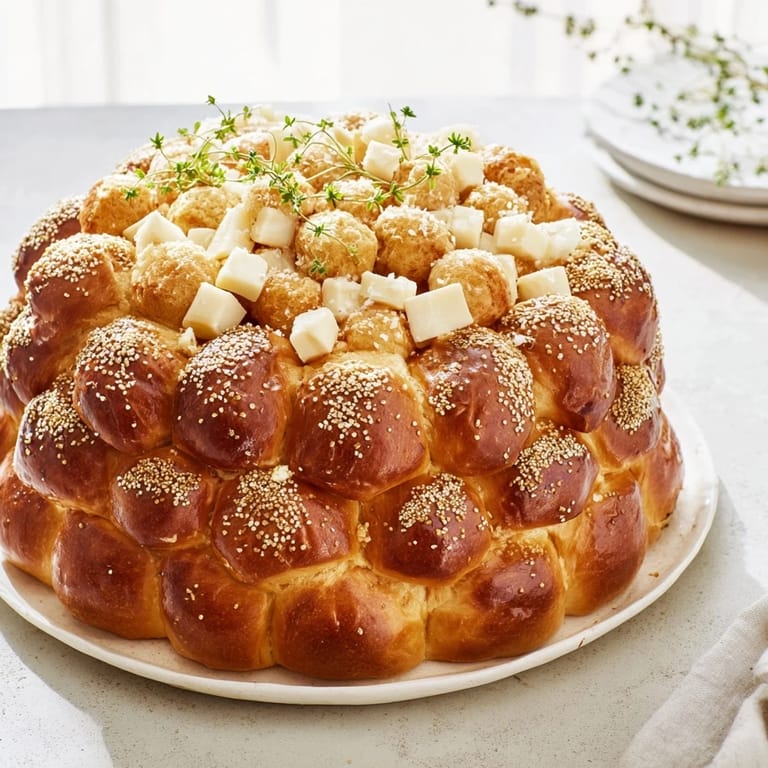 Save
Save There's a moment right when you step back from the finished dome—before anyone eats it, before it becomes just another plated dish—where you realize you've created something that's genuinely beautiful. It stops being about feeding people and becomes about creating an experience, a memory they'll talk about later when they're describing your dinner party to their friends.
The Cheese Selection Philosophy
I learned that a great cheese board isn't about having as many cheeses as possible—it's about curating a conversation. Each cheese here plays a distinct role: the Brie is your comfort voice, warm and welcoming; the Comté brings sophistication and nuttiness; the truffled goat cheese adds earthiness and surprise; the blue cheese is the bold opinion at the table; and the Parmigiano Reggiano offers crystalline contrast. Together they tell a story of flavor progression, textural variety, and elegance without pretension. You can absolutely swap these for cheeses you love more—aged Manchego, Taleggio, or a good aged cheddar—but think of them as characters with different personalities that need to work together.
Building the Dome: Architecture Matters
The first time I tried this, I built my dome like I was stacking firewood, and it collapsed exactly when my guests walked into the kitchen. What I learned is that breadsticks want to lean, not stack. They're strongest when they're angled inward at roughly 45 degrees, each one supporting its neighbors. The cheese mound is your anchor, and the breadsticks are your cathedral walls. Start with a circle of sticks around the outer edge, pressing their ends gently into the cheese, then layer inward and upward. It's meditative, actually—like solving a puzzle where every solution looks different but works the same way. If you're nervous, use a bowl as a temporary scaffold (like a dome mold), then carefully remove it once the structure feels stable.
Wine Pairings and Serving Moments
This dish lives best with something crisp and celebratory—a Champagne cuts through the richness of the cheeses with its acidity, or a very cold Sauvignon Blanc if you want something a touch more mineral. The warm breadsticks against cold cheese is part of the pleasure, so don't let this sit on the counter for hours before serving. This is a moment to gather people around, pour something nice, and watch them experience it fresh. Some guests will photograph it first, which is fine—let them have their moment. Others will reach straight for that truffled goat cheese ball they've been eyeing. Both responses are correct.
- Serve within 30 minutes of assembly for the best temperature contrast between breadsticks and cheese.
- If you want to go full drama, dust a few breadsticks with edible gold leaf right before serving—it catches light beautifully.
- Have extra napkins nearby because this is delicious in a way that's slightly messy, and that's part of the charm.
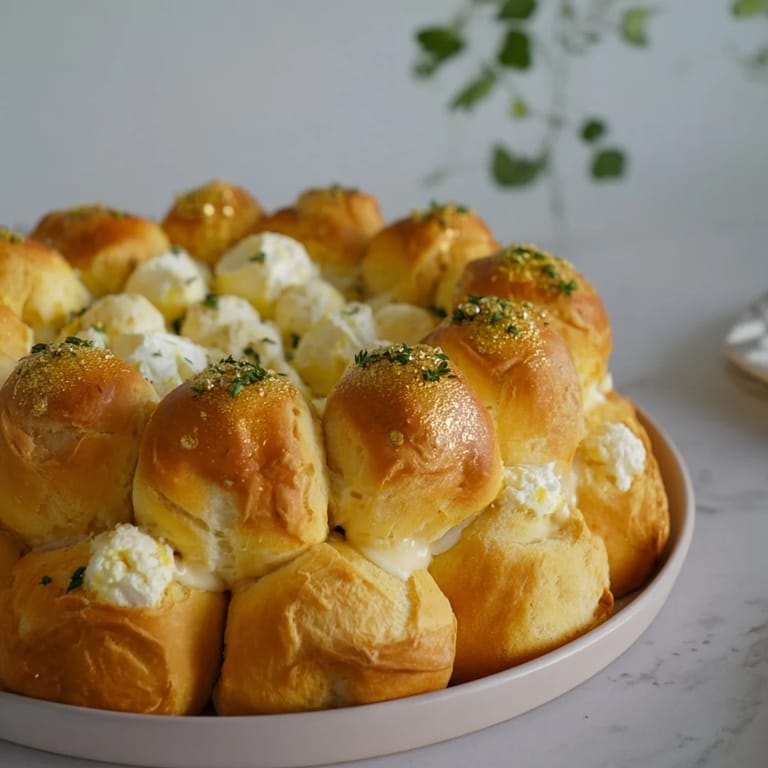 Save
Save This dish taught me that sometimes the most impressive thing you can do in a kitchen is think in terms of architecture and beauty alongside flavor. The Gilded Cage isn't complicated, but it feels special because you've taken time to arrange it thoughtfully, and that's a gift you're giving to the people around your table.